




01. Edit your form online
Type text, add images, blackout confidential details, add comments, highlights and more.

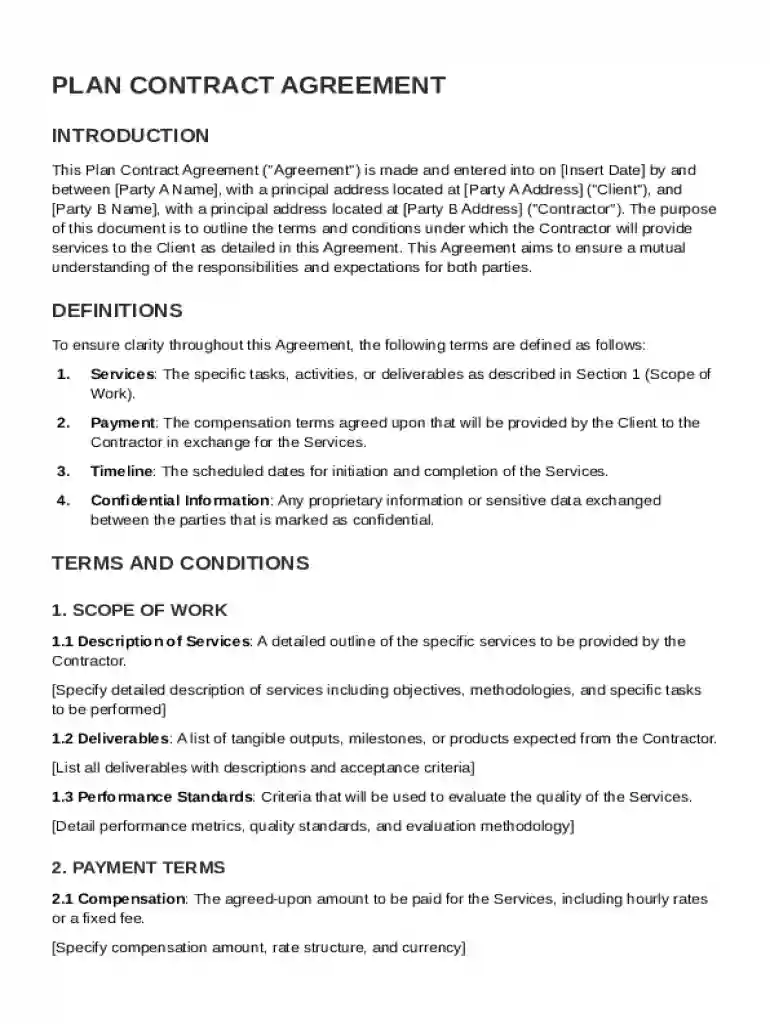
Type text, add images, blackout confidential details, add comments, highlights and more.

Draw your signature, type it, upload its image, or use your mobile device as a signature pad.

Send it via email, link, or fax. You can also download it, export it or print it out.
A Plan Contract Template is a pre-structured document design that outlines the terms and conditions agreed upon between a client and a contractor for service provision. This template ensures that all parties involved have a mutual understanding of their roles, responsibilities, and expectations. The Plan Contract typically includes key components such as the scope of work, payment terms, project timelines, and confidentiality clauses, which collectively serve to protect the interests of both parties and prevent potential disputes.
Using a Plan Contract Template involves customizing the document to fit the specifics of the agreement between the client and contractor. This process includes:
For example, a freelance web developer can use the Plan Contract Template to detail a website-building project for a small business. The template will specify tasks like design, development, testing, and final delivery, along with associated costs and deadlines.
Completing a Plan Contract Template involves several steps to ensure clarity and legal sufficiency:
The Plan Contract Template comprises several critical elements designed to provide comprehensive coverage for various scenarios:
The Plan Contract Template is constructed to comply with legal standards, making it suitable for formalizing business arrangements within various jurisdictions. It provides a legally sound framework that can be adapted to the specific laws governing contracts in the United States.
The Plan Contract Template is widely used by:


These users leverage the template to streamline the contractual process, ensuring that professional relationships are established on a clear, documented basis.

Understanding specific terminologies within the Plan Contract Template is vital for its effective use:
These terms play critical roles in delineating the rights and responsibilities of involved parties.
The Plan Contract Template can be employed across various industries to formalize agreements. Consider the following scenarios:
These examples illustrate the template's flexibility and utility in diverse contexts, ensuring each agreement meets the industry's unique demands.
At DocHub, your data security is our priority. We follow HIPAA, SOC2, GDPR, and other standards, so you can work on your documents with confidence.
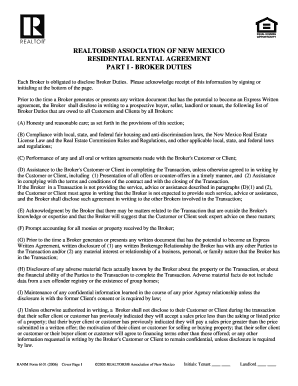


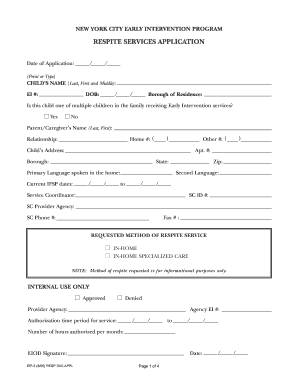
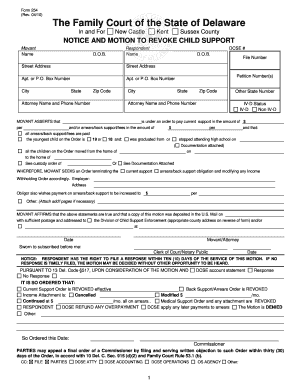
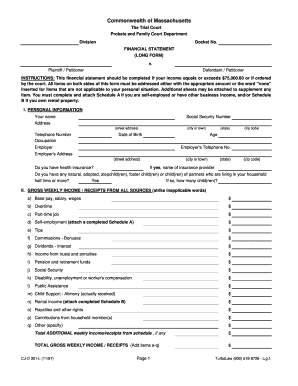

Please note that this template contains key components that should be considered when drafting a Contract Management Plan (CMP). This list is not all-inclusive
8.3 Q-Q3: OVERVIEW OF PROJECT PLAN. Provide a short overview of project plan/approach, planned resource allocation, proposed acceptance test plan for.


