




01. Edit your form online
Type text, add images, blackout confidential details, add comments, highlights and more.

Type text, add images, blackout confidential details, add comments, highlights and more.

Draw your signature, type it, upload its image, or use your mobile device as a signature pad.

Send it via email, link, or fax. You can also download it, export it or print it out.
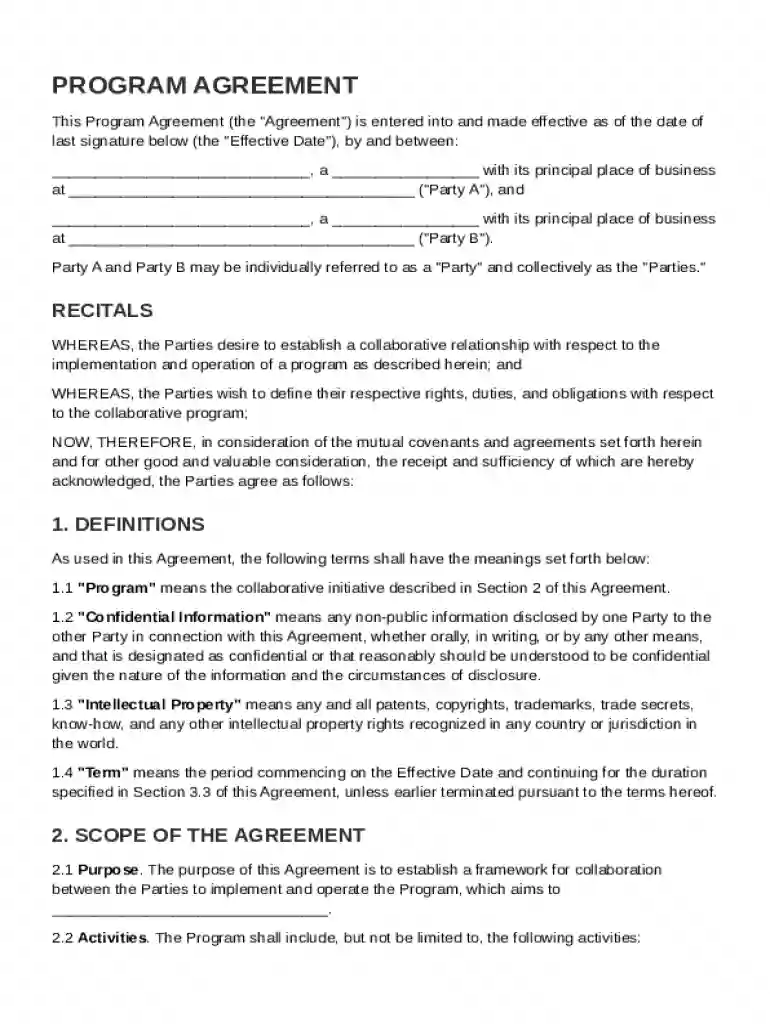
The Program Agreement Template sets a structured framework for collaboration between two or more parties engaged in a program. This agreement typically outlines various facets of the partnership, including the roles and responsibilities of each party, financial terms, confidentiality requirements, and legal stipulations. By defining these elements clearly, the template aims to streamline operations and safeguard the interests of all stakeholders involved in the program. Additionally, it serves as an essential reference that can be revisited in case of disputes or misunderstandings.
Using the Program Agreement Template effectively involves several thoughtful steps. First, carefully review the template to understand its structure and standard clauses. Customize the essential parts, such as names, program specifics, roles, and responsibilities, to fit the specifics of your partnership. It's also essential to adjust financial terms to reflect the economic reality of the working relationship. Review confidentiality agreements and intellectual property clauses to ensure they meet both parties’ needs. Once satisfied with the modifications, seek legal advice to confirm the template's compliance with applicable laws and regulations.
A comprehensive Program Agreement Template contains several critical components:
Understanding the terminology within the Program Agreement Template is crucial:
In the U.S., the legal use of a Program Agreement Template necessitates adherence to specific regulations. Agreements must comply with jurisdictions at both state and federal levels, depending on the nature of the program. It’s imperative to ensure all terms are equitable and transparent. Courts view agreements requiring fair dealing and good faith. Non-compliance or ambiguity within an agreement can lead to legal challenges, making it essential to cover all potential legal aspects adequately.
Various entities utilize the Program Agreement Template, ranging from small-scale businesses and non-profits to large corporations. It is particularly beneficial for organizations implementing collaborative programs, educational institutions running joint ventures, or tech companies engaged in partnerships for product development. Each of these stakeholders uses the template to document expectations and minimize risks.


A tech company entering into a partnership with a startup to develop a new application might use a Program Agreement Template to detail collaborative responsibilities, division of intellectual property, and technical resources each party will provide. Similarly, two non-profit organizations collaborating on a community outreach initiative might use this template to define each organization’s role, funding logistics, and expected outcomes. These examples illustrate how the template helps address collaborative efforts systematically.
Program Agreement Templates may vary depending on state-specific legal requirements. For instance, California has stringent laws around confidentiality and data sharing that must be integrated into any program agreement. Meanwhile, New York might have different stipulations around dispute resolution processes. It’s imperative to assess the relevant state laws that apply to the program’s scope and parties involved, ensuring compliance and prevent potential legal issues.
The Program Agreement Template is compatible with several document management software solutions such as DocHub, which streamlines the process of editing, storing, and sharing agreements. Other compatible platforms include Google Workspace for document collaboration and management, as well as specialized legal software like TurboTax and QuickBooks for those who require integrations of financial aspects alongside program stipulations. This compatibility ensures ease of use and adaptability across different technological environments.
At DocHub, your data security is our priority. We follow HIPAA, SOC2, GDPR, and other standards, so you can work on your documents with confidence.

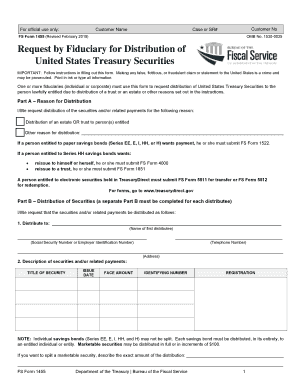
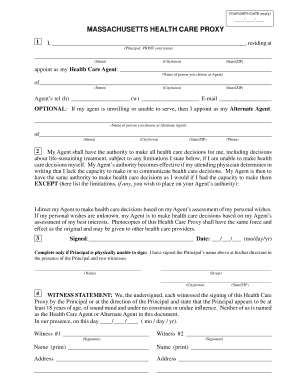
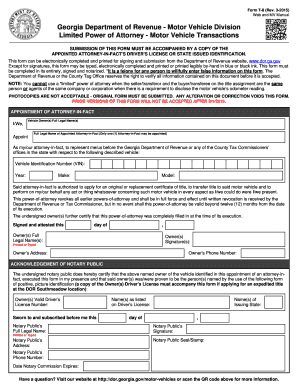

Mar 24, 2022 Discover the essential components of a robust consulting agreement. Learn how to create a solid contract with these 12 key elements.
This Program Agreement (Agreement) is made this [ ] day of [. ], 2010 by and among. [ ] Bank, having its principal place of business at 123 Main St.,
Contract Templates. Services Agreements Interagency Cooperation Contracts Educational Experience Affiliation Agreement - Program Agreement Exhibit A


