E Commerce Vendor Contract Template 2026

Get Form
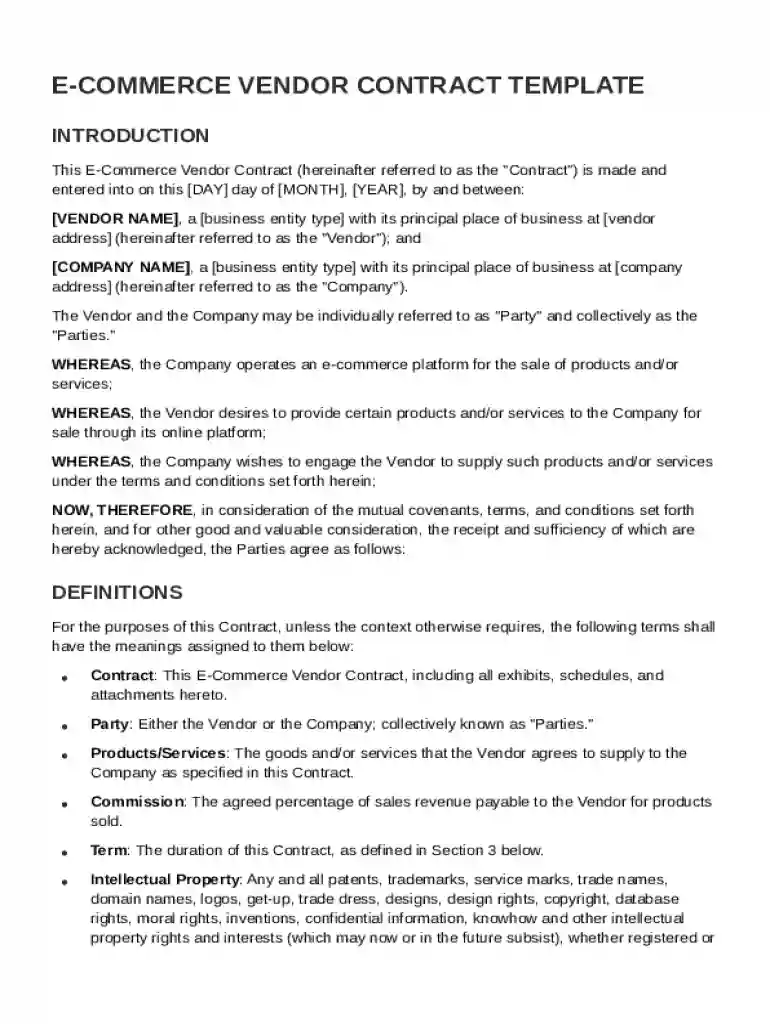
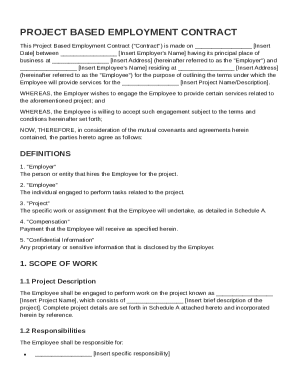
E Commerce Vendor Contract Template Preview on Page 1

Here's how it works

01. Edit your form online
Type text, add images, blackout confidential details, add comments, highlights and more.

02. Sign it in a few clicks
Draw your signature, type it, upload its image, or use your mobile device as a signature pad.

03. Share your form with others
Send it via email, link, or fax. You can also download it, export it or print it out.

Definition and Meaning of the E-Commerce Vendor Contract Template

The E-Commerce Vendor Contract Template is a legal document that outlines the agreement between a vendor and a company regarding the supply of products and services to be sold on the company's e-commerce platform. The contract provides a structured way to define each party’s responsibilities and expectations, ensuring the smooth operation of the business relationship. It includes essential sections such as scope of work, payment terms, duration, termination conditions, intellectual property rights, confidentiality obligations, and liability clauses. These components are vital to establishing a clear and legally sound agreement that protects both parties' interests.

How to Use the E-Commerce Vendor Contract Template

Using the E-Commerce Vendor Contract Template begins with understanding the various sections and how they apply to your specific business arrangement. Start by reviewing the template thoroughly to ensure it aligns with your business objectives. Customize the template by entering specific details such as the names and contact information of parties involved, a detailed description of the services or products to be provided, and agreed-upon financial terms. It's important to discuss and agree on each section with the other party, ensuring clarity and mutual understanding. Once customized, the document should be reviewed by a legal expert to ensure compliance with applicable laws before being signed by all parties involved.

Steps to Complete the E-Commerce Vendor Contract Template

  1. Review the Template: Before making any changes, read each section to understand the provisions outlined in the contract.
  2. Customize Information: Input the specific details of your arrangement, including names, addresses, scope of services, payment details, and any specific amendments to standard clauses.
  3. Consult Legal Advice: It is advisable to have the modified contract reviewed by a legal professional to ensure all provisions are enforceable and comply with state laws.
  4. Discuss with the Other Party: Ensure all terms are reviewed and agreed upon by both the vendor and the company.
  5. Sign the Agreement: Once everything is in order, both parties should sign the document, making it legally binding.

Key Elements of the E-Commerce Vendor Contract Template

The template includes several critical elements designed to protect the interests of both parties:

  • Scope of Work: Clearly defines the products or services the vendor will provide, including detailed specifications and quality standards.
  • Payment Terms: Outlines the payment structure, including payment method, schedule, and any conditions for late payment or discounts.
  • Duration and Termination: Specifies the contract's duration and the conditions under which either party may terminate the agreement.
  • Intellectual Property Rights: Details how intellectual property created during the contract will be handled, ensuring appropriate ownership and use rights.
  • Confidentiality Obligations: Establishes duties of confidentiality to protect proprietary information disclosed during the contract.
  • Liability and Indemnification: Limits each party's liability and outlines indemnification responsibilities in case of a breach or third-party claims.

Important Terms Related to the E-Commerce Vendor Contract Template

Understanding the following terms is essential for effectively using the template:

  • Vendor: The party providing goods or services.
  • Company: The purchaser or entity selling products on a platform.
  • Consideration: The compensation for goods or services offered.
  • Force Majeure: Circumstances that release parties from fulfilling the contract due to uncontrollable events.
  • Severability Clause: A provision that ensures the rest of the contract remains effective even if part of it is invalidated.

Who Typically Uses the E-Commerce Vendor Contract Template

This template is commonly used by companies engaging vendors to supply goods or services for their e-commerce platforms. Business entities ranging from small online shops to large marketplaces utilize these contracts to formalize their supplier agreements. Additionally, vendors seeking to establish clear terms and protect their interests often use this template when entering into agreements with e-commerce businesses.


decoration image ratings of Dochub

Legal Use of the E-Commerce Vendor Contract Template

The E-Commerce Vendor Contract Template is designed in compliance with the ESIGN Act, providing a legal framework for electronic contracts in the U.S. Legally binding when signed electronically through platforms like DocHub, the template ensures that contractual terms are enforceable in court. It's essential to adjust the template in line with federal and state laws, and legal consultation is recommended to verify compliance with jurisdiction-specific regulations.

Examples of Using the E-Commerce Vendor Contract Template

  • Scenario One: A small business enters into a contract with a local artisan to supply handmade goods that will be sold exclusively on its online shop.
  • Scenario Two: A tech company partners with a software vendor to provide digital products and services on their e-commerce platform, using the template to define licensing terms and conditions.
  • Scenario Three: An international brand uses the contract template to formalize their partnership with a logistics company handling shipments for online orders across different states.

Business Types That Benefit Most from the E-Commerce Vendor Contract Template

  • Retail E-Commerce: Online stores that rely on various suppliers to offer a wide array of products.
  • Service Platforms: Businesses providing digital or subscription-based services benefit from clearly defined service terms.
  • Wholesale Distributors: Companies dealing with bulk purchases and needing defined terms for inventory supply management.
  • B2B Marketplaces: Platforms that facilitate transactions between businesses, necessitating clear terms for both vendors and buyers.
be ready to get more

Complete this form in 5 minutes or less

Get form

Security and compliance

At DocHub, your data security is our priority. We follow HIPAA, SOC2, GDPR, and other standards, so you can work on your documents with confidence.
Learn more
ccpa2
pci-dss
gdpr-compliance
hipaa
soc-compliance