






Definition and Meaning
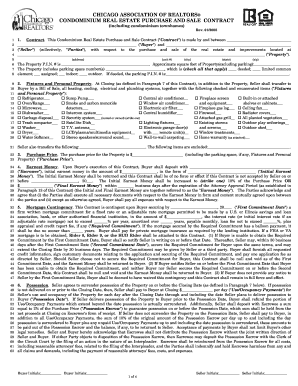
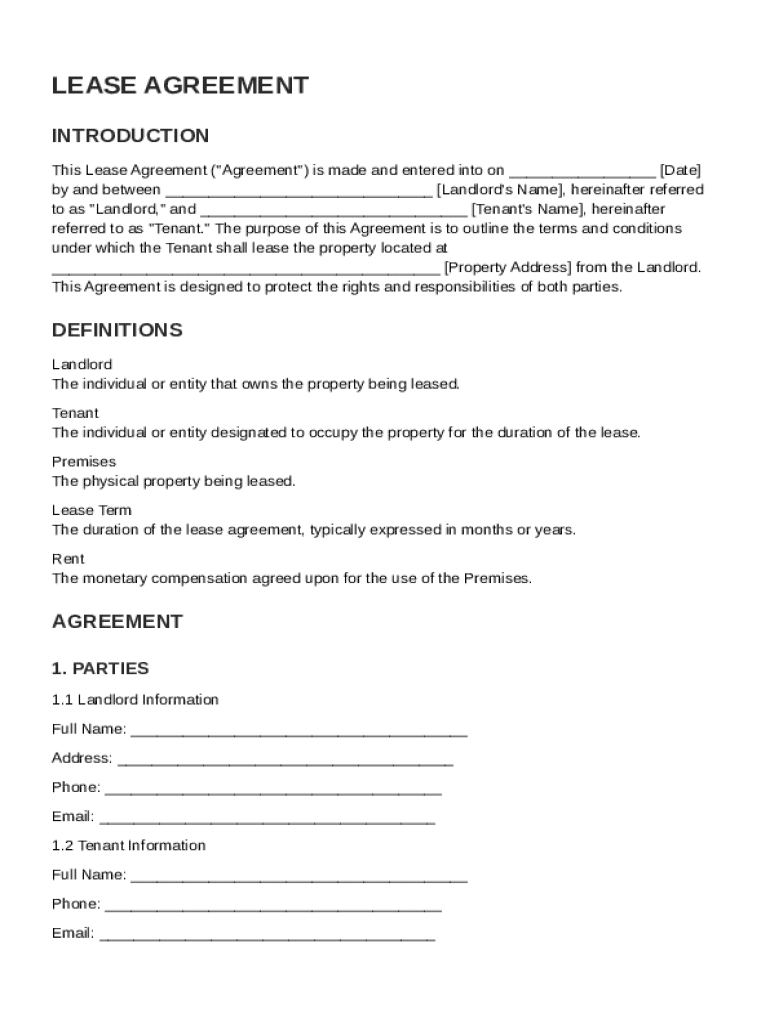
A Lease of Contract Template is a structured document used to outline the agreement between a landlord and a tenant for the use of a property. It provides a legal framework that includes terms and conditions governing the rental relationship. This template is an essential tool for formalizing rental agreements, ensuring both parties clearly understand their rights and obligations. By using a standardized template, landlords can ensure that all necessary legal requirements are included, minimizing potential disputes or misinterpretations.
- Purpose: Serves as a formal agreement that emphasizes the terms of property rental.
- Components: Typically includes property details, lease duration, rent amount, and tenant rights.
- Legal Implications: Provides a legally binding agreement that can be enforced in court if disputes arise.
Key Elements of the Lease of Contract Template
A comprehensive Lease of Contract Template should include several essential components to ensure clarity and legality:
- Property Details: Description of the property being leased, including its address and specific features.
- Parties Involved: Identification of the landlord and tenant, including contact details.
- Lease Duration: Specifies the start and end dates of the lease term.
- Rent and Deposits: Details the rent amount, payment frequency, and security deposit requirements.
- Maintenance and Repairs: Outlines responsibilities for property upkeep and repair obligations.
- Termination Clause: Conditions under which the lease can be terminated by either party.
- Dispute Resolution: Methods for resolving conflicts, such as mediation or arbitration.
- Permitted Use: Defines how the property may be used and any restrictions on usage.
Steps to Complete the Lease of Contract Template
Completing a Lease of Contract Template involves a series of steps to ensure accuracy and compliance with legal standards. Here is a general guide:
- Gather Information: Collect necessary details about the property, landlord, and tenant.
- Select the Appropriate Template: Choose a template that suits the specific type of property and rental arrangement.
- Fill in Property Details: Input accurate descriptions and conditions of the property.
- Specify Rent Terms: Clearly define rent amount, due dates, and acceptable payment methods.
- Outline Tenant and Landlord Obligations: Detail responsibilities and rights of each party.
- Review Legal Clauses: Ensure that legal terms like termination and dispute resolution are accurately represented.
- Finalize and Sign: Have both parties review, agree to, and sign the document.
Who Typically Uses the Lease of Contract Template
Lease of Contract Templates is commonly employed by various groups involved in property rental. Understanding who uses these templates can help tailor them to meet specific needs:
- Landlords: Use templates to standardize rental agreements and manage properties efficiently.
- Property Management Companies: Facilitate leases for multiple properties with consistent legal documents.
- Tenants: Leverage templates to understand their rights and responsibilities before entering an agreement.
- Real Estate Agents: Assist clients by providing ready-to-use lease templates that meet legal standards.


State-Specific Rules for the Lease of Contract Template
Rental agreements can vary significantly across different states due to specific legal requirements. It's vital to consider these variations when using a Lease of Contract Template:
- Rent Control Laws: Some states, like California, have rent control regulations affecting lease terms.
- Security Deposit Limits: States may impose limits on how much landlords can request as a deposit.
- Eviction Procedures: State laws determine the process and grounds for evicting a tenant.
- Required Disclosures: Landlords might need to provide specific information, such as mold disclosures in particular regions.
Legal Use of the Lease of Contract Template
Using a Lease of Contract Template helps ensure that the rental agreement complies with legal standards, reducing the risk of disputes:
- Binding Agreement: When signed by both parties, the lease becomes a legally enforceable contract.
- Compliance with Housing Laws: Incorporates necessary clauses to align with federal, state, and local regulations.
- Protection of Rights: Clearly outlines the rights and responsibilities of both landlord and tenant, minimizing ambiguities.
Examples of Using the Lease of Contract Template
Illustrating examples of lease use can provide insights into its practical applications in various scenarios:
- Residential Rental: A family rents a suburban house with a standard agreement to outline maintenance and pet policies.
- Commercial Lease: A small business leases office space in a city skyscraper, detailing the tenant's obligation to carry specific insurance.
- Short-Term Lease: A vacation rental uses a modified lease template for monthly occupancy, including a clause on noise restrictions.
Software Compatibility
For digital management of lease agreements, it's essential to understand which software platforms support Lease of Contract Templates:
- DocHub: Compatible with multiple formats, such as PDF and DOC, allowing for comprehensive editing and onboarding.
- Google Workspace: Facilitates the integration of lease templates into Google Drive for easy access and collaboration.
- QuickBooks: Though not specifically for contracts, financial implications of lease terms can be tracked.
This comprehensive coverage ensures that individuals leveraging a Lease of Contract Template have a thorough understanding of its elements, applications, and legalities.