


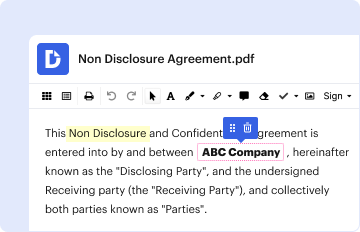
01. Edit your form online
Type text, add images, blackout confidential details, add comments, highlights and more.

Type text, add images, blackout confidential details, add comments, highlights and more.
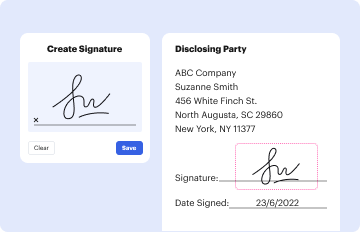
Draw your signature, type it, upload its image, or use your mobile device as a signature pad.
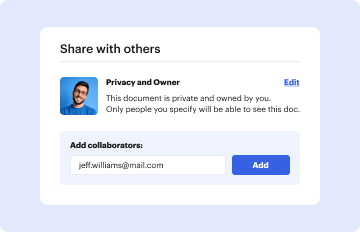
Send it via email, link, or fax. You can also download it, export it or print it out.
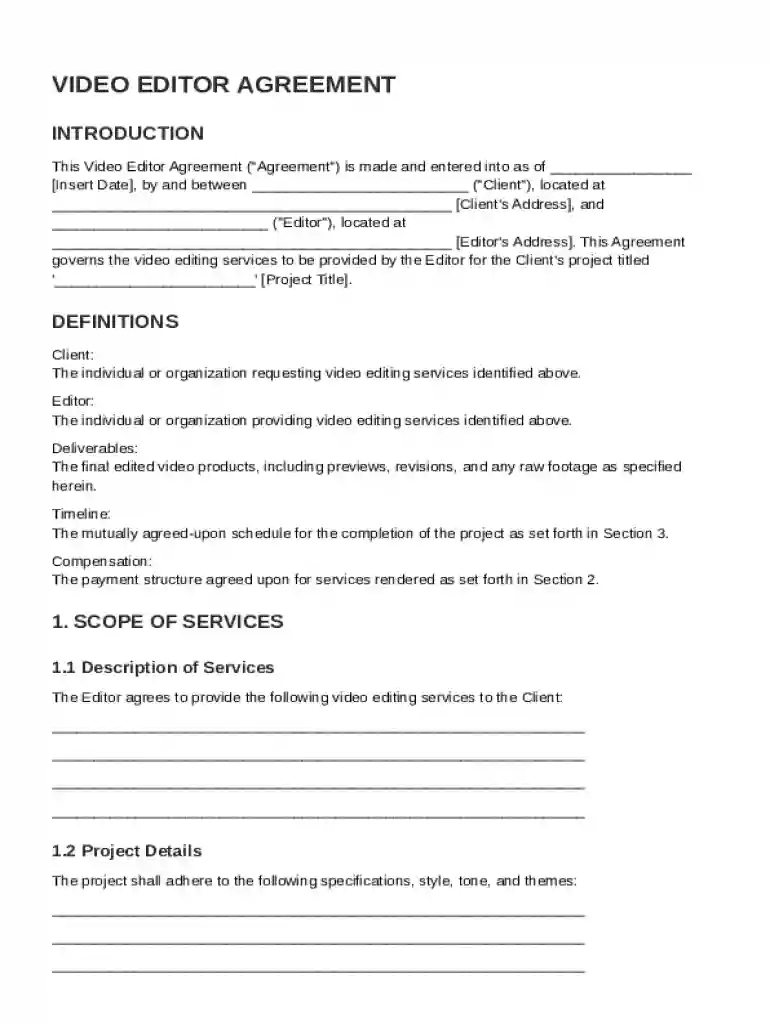
A Video Editor Agreement Template is a standardized document that formalizes the relationship between a client and a video editor for video editing services. This template ensures that both parties have a clear understanding of the terms and conditions before any work begins. It commonly includes sections regarding the definition of services, project scope, compensation arrangements, timelines, and ownership of the edited video content. The primary purpose of this agreement is to protect the interests of both parties by setting forth expectations and responsibilities clear from the outset.
Freelance Editors: A common use case involves freelancers working with diverse clientele. By utilizing this template, freelancers can ensure that they have a consistent approach in handling each project.
Media Companies: Larger organizations may use a version of this agreement when engaging external editors to maintain quality control and protect proprietary content.
Exclusive Content Rights: Some clients might require exclusive usage rights of the edited video, making it crucial for editors to clarify this in the agreement.
Revision Policies: It is vital to specify how many revisions are included in the agreed-upon fee to avoid potential disputes.
Scope of Services: Clearly defines what services are covered. This may include specific editing styles, types of media to be edited, and any additional features such as color grading or effects.
Timeline: Establishes deadlines for project milestones. This ensures a mutual understanding of delivery dates and accommodates any scheduling constraints.
Compensation: Details the payment structure, including whether it is a flat fee or hourly rate, and outlines any milestone-based payment plans.
Confidentiality Obligations: Protects sensitive information shared during the project. It's essential in maintaining client trust.
Termination Clauses: Sets out conditions under which the agreement can be terminated by either party, including potential penalties or fees.
Review Each Section: Ensure all standard terms are applicable to your specific project needs.
Customize Details: Fill in project-specific information, including timelines, payment terms, and specific editing tasks required.
Add Legal Requirements: Incorporate any additional clauses required by law or specific business practices.
Client and Editor Signatures: Both parties should sign and date the agreement, confirming their commitment to the outlined terms.
Clarity and Security: Using a template helps both clients and editors clearly understand their roles, reducing misunderstandings and increasing trust.
Time Efficiency: Saves time by using a prepared structure rather than creating an agreement from scratch for each new project.
Alternatives could include general service agreements if additional types of services beyond video editing are being contracted, allowing flexibility based on the nature of the work.

Freelance Video Editors: Professionals often engaged in short-term or one-off editing projects.
Creative Agencies: Agencies that frequently contract out video editing work as part of larger multimedia projects.
Corporations: Businesses that need to create consistent in-house media content but rely on external expertise for specialized projects.
These templates are versatile, allowing use in settings ranging from small businesses to large enterprises needing highly detailed agreements due to the complexity and scale of their projects.
Governing Law: Identifies the jurisdiction under which the contract is governed, which is important for resolving disputes.
Electronic Signature Legality: Ensures that any digital signatures used are compliant with regulations like the ESIGN Act, providing a legally binding agreement.
Failure to clearly define terms could lead to legal disputes. Having a lawyer review the template in its finalized form may prevent these issues.
Deliverables: Final output the editor is expected to provide, which may include specific file formats or versions.
Revision Policy: Outlines how many revision cycles are included and how additional changes will be handled.
File Formats: Compatibility with software used for video editing, such as Adobe Premiere Pro or Final Cut Pro, ensuring that clients can view and use the final product effectively.
Cross-Platform Accessibility: Ensures the template is usable across various operating systems and devices, facilitating easier completion and signing.
Platforms like DocHub allow for easy manipulation and storage of documents, offering integrated features for editing and signing, saving time and effort in managing the agreement process.
At DocHub, your data security is our priority. We follow HIPAA, SOC2, GDPR, and other standards, so you can work on your documents with confidence.



6 days ago This agreement should be used by the filmmaker when there are multiple people (or just one other) who have contributed or provided ideas to aRead more
Download RFP PDF Template. OpenShot is a free and open-source cross-platform non-linear video editor. You can start with our free template on Video Editing


