






Definition and Purpose of the Private Rental Agreement Template
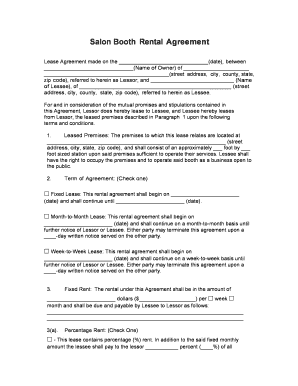
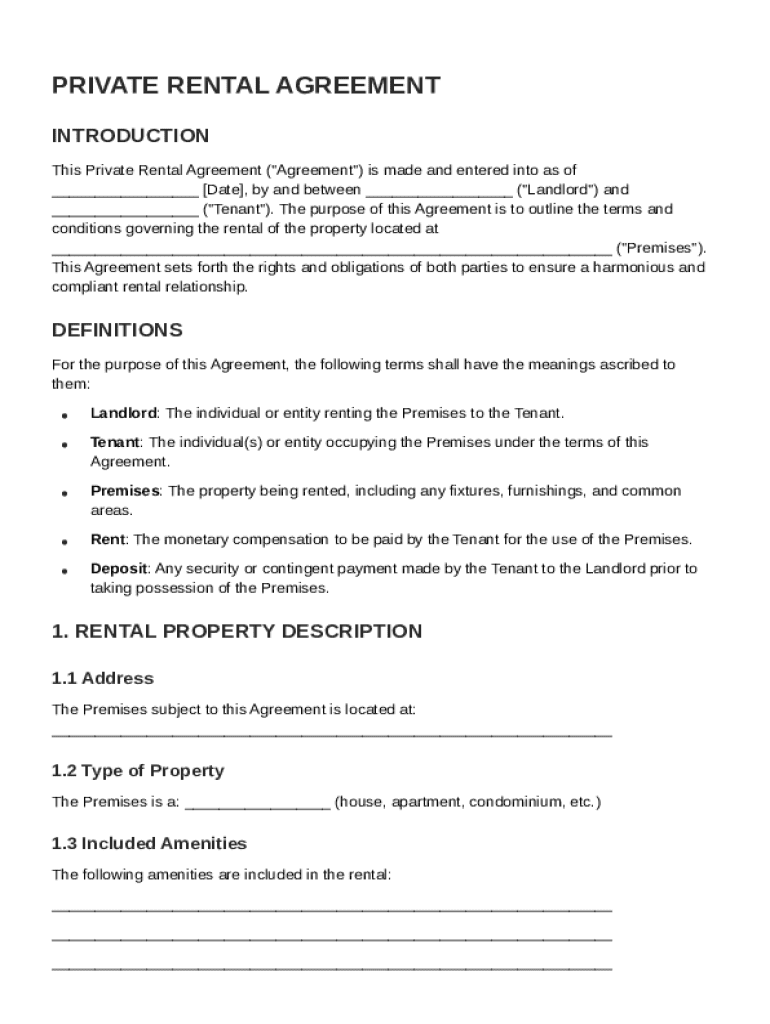
A Private Rental Agreement Template formalizes the relationship between a Landlord and Tenant, ensuring each party understands their rights, responsibilities, and expectations in a rental scenario. This document serves as a legal contract that outlines essential terms and conditions for both parties. Key aspects include the rental property description, lease duration, rent payment details, security deposit requirements, and termination procedures. For Tenants, it provides clarity on what is expected regarding property maintenance and usage. For Landlords, it can legally protect property interests, detailing what can be done if tenants do not adhere to the agreed-upon terms.
How to Use the Private Rental Agreement Template
Using the Private Rental Agreement Template begins with customization based on specific rental circumstances. First, gather all relevant details, such as property address, Tenant and Landlord names, and lease term. Insert these details into the template in the corresponding sections. Next, specify rent amount, payment frequency, and payment methods. Add clauses outlining maintenance obligations, insurance, and any additional rules, such as pet policies. Both parties should review the completed document thoroughly before signing. This ensures all terms are understood and accepted. Once signed, distribute signed copies to all parties for their records.
Common Customizations
- Rent Adjustments: Include language allowing for rent increases after the lease term.
- Maintenance Duties: Distinguish which party is responsible for specific maintenance tasks.
- Use Restrictions: Specify permissible activities and alterations to the property.
Steps to Complete the Private Rental Agreement Template
Completing the Private Rental Agreement involves several deliberate steps:
- Collect Information: Gather all necessary information from both parties.
- Fill in Basic Details: Enter property information, lease term, and party details into the template.
- Define Financial Terms: Clearly state the rent amount, due dates, and accepted payment methods.
- Clarify Responsibilities: Detail responsibilities surrounding property upkeep and utilities.
- Review Inclusivity of Clauses: Ensure all potentially required clauses are relevant and included.
- Consult Legal Advice if Necessary: Have a legal professional review the document to ensure compliance with local laws.
- Finalize and Distribute: Both parties should sign and receive a copy of the finalized agreement.
Key Elements of the Private Rental Agreement Template
The Private Rental Agreement Template contains various sections critical to creating a comprehensive lease agreement:
- Property Description: Includes full address and description of the unit.
- Lease Term: Specifies start and end dates of the lease.
- Rent Specifications: Details about the rent amount, payment terms and penalties for late payment.
- Security Deposits: States the amount, use conditions, and return process.
- Termination Conditions: Outlines conditions under which the lease may be terminated prematurely.
Additional Provisions
- Pet Policies: Rules around pet ownership, potential deposits, or fees.
- Alteration Permissions: Guidelines for making any changes to the premises.
- Utility Responsibilities: Which party is responsible for specific utilities or any shared costs.
Legal Use and Binding Nature
The Private Rental Agreement Template acts as a binding legal document once both parties sign it. Governed by state laws, it must comply with local real estate regulations to be enforceable. The agreement outlines each party's rights and obligations, providing a mechanism for legal recourse in disputes. Legal advice should be considered when including additional clauses to ensure compliance with tenancy laws. This care helps protect against potential litigation or disputes arising from ambiguous terms.
Important Terms Related to the Private Rental Agreement Template
Understanding common terms within the Private Rental Agreement Template is critical:
- Landlord: The owner or person responsible for leasing a property.
- Tenant: The individual or entity renting the property.
- Lease Term: Duration the property will be leased for.
- Premises: The physical property being rented.
- Security Deposit: Monetary amount held by the Landlord for potential damages or unpaid rent.
Subsections
- Late Fees: Amount charged when rent is not paid on time.
- Renewal Options: Terms detailing if or how the lease may be renewed.
State-Specific Rules and Variations
Each state within the U.S. has specific rules and regulations affecting rental agreements. These can include differences in allowable security deposit amounts, notice periods required for terminating leases, and rights regarding subleasing or landlord entry. Thus, ensuring your Private Rental Agreement Template complies with state-specific regulations is essential to its validity. Consulting state government websites or legal professionals can offer clarity on these regional laws and necessary inclusivity in your agreement.
Advantages of Using the Private Rental Agreement Template
Utilizing a Private Rental Agreement Template can simplify the lease creation process. It provides a structured format for entering critical details, reducing the risk of omitting essential clauses. This template helps ensure comprehensive coverage of standard rental terms, promoting clarity and reducing ambiguity for transaction parties. It further supports successful tenant management, aiding in preemptive planning for potential disputes. By streamlining document creation, it saves time and fosters a transparent rental relationship between Landlords and Tenants.