






Definition and Meaning of United States v Calimlim
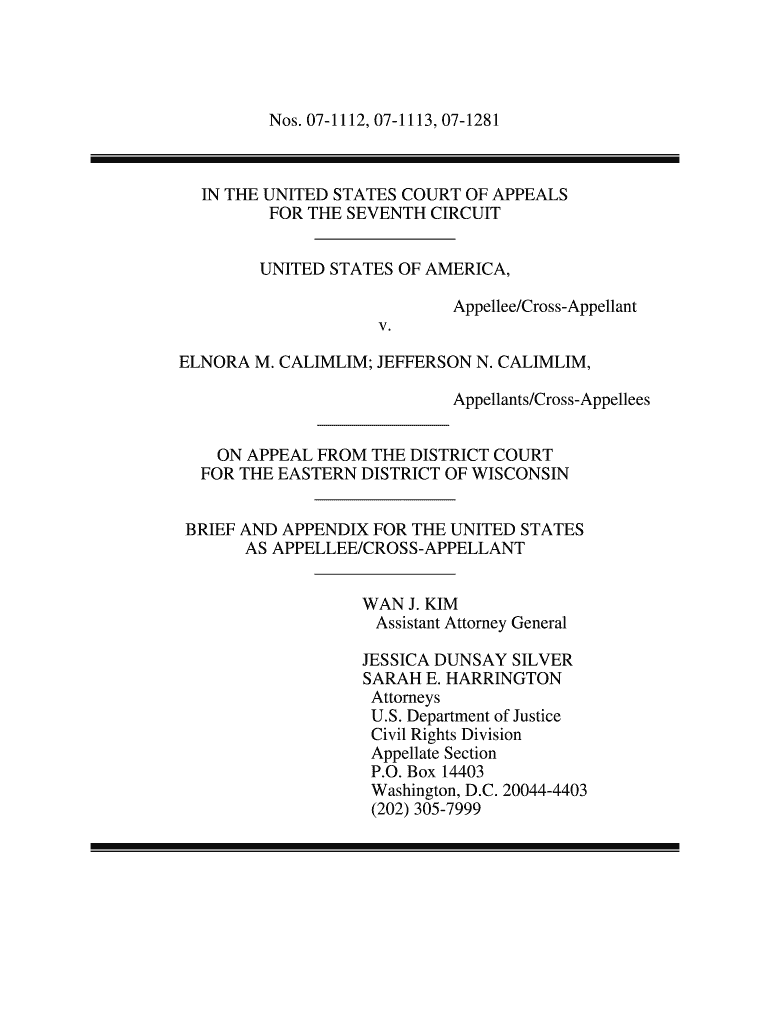
The case "United States v Calimlim" involves Elnora M. Calimlim and Jefferson N. Calimlim, who were convicted of forced labor and harboring an illegal alien. This legal case specifically deals with charges related to human trafficking statutes in the United States. Forced labor, a serious federal crime, encompasses scenarios where individuals are coerced into work through threats or manipulation. In this case, the defendants were found guilty due to the coercive circumstances surrounding the victim's employment. Understanding the nuances of such legal cases is crucial for comprehending the application of federal laws aimed at protecting individuals from exploitation and ensuring just penalties for violators.
Key Elements of the United States v Calimlim
In the "United States v Calimlim" case, several critical elements were considered by the court:
-
Coercion and Duress: The victim's working conditions subjected her to intimidation, forcing her to work under the defendants' control.
-
Victim's Vulnerability: The court noted the particular vulnerability of the victim, which was a significant factor in securing the conviction for forced labor.
-
Illegal Harboring: The defendants were also found guilty of harboring an illegal alien, which involves knowingly concealing or shielding an undocumented individual to avoid detection by immigration authorities.
These elements underscore the seriousness of the offenses and the basis for the judicial decision to convict the Calimlims.
Legal Use of the United States v Calimlim
The legal framework used in "United States v Calimlim" is grounded in federal law governing forced labor and illegal harboring. The statutes invoked are intended to protect vulnerable individuals from exploitation and ensure that perpetrators face appropriate justice. This case serves as a precedent for similar cases, providing guidance on how evidence of coercion and the use of power dynamics in employment situations can lead to substantial legal consequences.
Important Terms Related to United States v Calimlim
Understanding the "United States v Calimlim" case requires familiarity with several key legal terms:
-
Forced Labor: Compelling someone to work against their will using force, threats, or manipulation.
-
Harboring an Illegal Alien: Concealing or shielding an undocumented immigrant with the purpose of avoiding immigration laws.
-
Coercion: The practice of compelling a person to act against their wishes using threats or force.
-
Vulnerability: In this context, it refers to the victim’s susceptibility to exploitation due to factors like immigration status or financial dependence.
These terms help clarify the judicial perspective and the underpinnings of the legal charges involved.
Steps to Complete Legal Documentation Related to United States v Calimlim
When engaging with legal cases similar to "United States v Calimlim," several steps are crucial in documenting and addressing the requirements:
-
Gather Evidence: Compile all relevant documents, testimonies, and evidence that illustrates coercion and illegal harboring.
-
Legal Representation: Secure qualified legal counsel experienced in federal law and human trafficking cases.
-
File Appropriate Motions: Submit necessary legal documents to court, including motions that support your case's arguments.
-
Prepare for Trial: Organize all witnesses and documentation for effective representation in court proceedings.
Following these steps ensures due diligence in the legal process, helping formulate a strong case defense or prosecution.
Examples of Using the United States v Calimlim
The "United States v Calimlim" case illustrates several practical scenarios in federal human trafficking and labor cases:
-
Example 1: A federal prosecutor uses similar elements from "United States v Calimlim" to argue a coercion case involving victim vulnerability due to immigration status.
-
Example 2: Defense lawyers reference the determination of "vulnerability" in an attempt to challenge its application in newer cases with unique circumstances.
-
Example 3: Human rights organizations cite this case to illustrate the need for rigorous enforcement of labor laws and protection measures for vulnerable populations.
These examples demonstrate the case's enduring impact on legal strategies and advocacy work.
State-Specific Rules for Forced Labor and Harboring Cases
While "United States v Calimlim" is a federal case, different states might have additional laws that affect similar cases:
-
Variance in Definitions: Some states might have distinct definitions of what constitutes "harboring" or "coercion."
-
Additional Penalties: States may impose additional penalties or have unique victim restitution statutes.
Be sure to consult state-specific legal standards in addition to federal requirements to fully understand the legal landscape.
Penalties for Non-Compliance
In "United States v Calimlim," severe penalties were imposed for violations, reflecting the gravity of forced labor and illegal harboring:
-
Criminal Sentences: Defendants face imprisonment, significant fines, and possible asset forfeiture.
-
Post-Trial Consequences: Convictions can result in an extended period of probation and requirements to compensate victims.
These penalties reflect the judiciary's commitment to deterring such crimes and reinforcing the importance of compliance with federal laws.