






Definition & Meaning
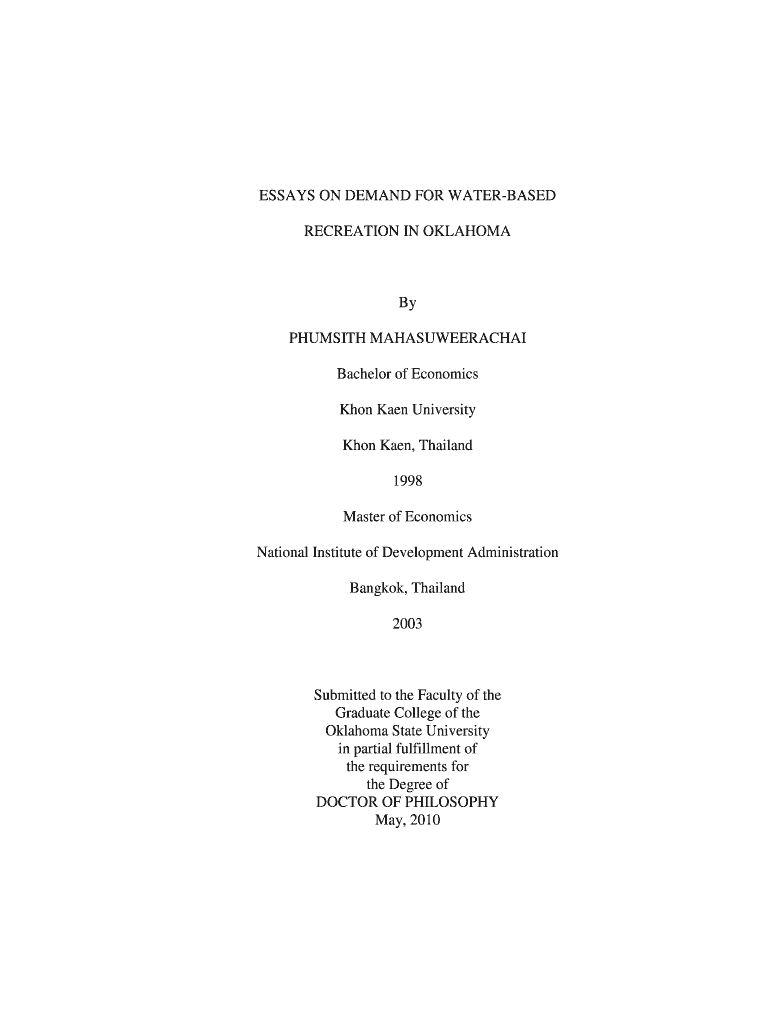
Essays on Demand for Water-Based Recreation examine the various factors influencing the demand for recreational activities centered around water resources. This can include lakes, rivers, and other aquatic environments. These essays analyze trends, economic impacts, and social factors that drive people to engage in water-based activities such as fishing, boating, and swimming. By understanding these factors, stakeholders can make informed decisions about resource management and tourism development.
Key Elements of the Demand Analysis
Analyzing demand for water-based recreation involves several key components:
- Economic Factors: Assessing how economic conditions, such as disposable income and employment rates, affect people's ability to participate in recreational activities.
- Demographic Trends: Understanding how age, gender, and family structure influence recreational choices.
- Environmental Considerations: Examining how natural factors like water quality and environmental policies impact recreational demand.
- Cultural Preferences: Considering how cultural attitudes and lifestyles affect popularity and participation in various water activities.
Who Typically Uses These Essays
Essays on Demand for Water-Based Recreation are primarily used by:
- Government Agencies: For planning and developing policies related to natural resource management and tourism.
- Tourism Boards: To tailor marketing strategies and develop tourist attractions that align with public interest.
- Environmental Organizations: To advocate for sustainable practices and influence policy decisions.


Steps to Complete the Analysis
Conducting an analysis of demand for water-based recreation involves several steps:
- Data Collection: Gather quantitative and qualitative data from surveys, historical records, and observational studies.
- Model Selection: Choose appropriate statistical models to analyze the data, such as regression analysis or demand forecasting models.
- Integration of Preferences: Include both revealed preferences (actual behavior) and stated preferences (intended behavior) data to increase accuracy.
- Analysis and Interpretation: Conduct the analysis and interpret the results to identify trends and implications for resource management.
- Report Preparation: Compile the findings into comprehensive reports, offering insights and recommendations.
Important Terms Related to the Essays
- Revealed Preferences: Choices consumers actually make, derived from observing their real-world behavior.
- Stated Preferences: Preferences reported by individuals when asked, reflecting intended or hypothetical scenarios.
- Welfare Changes: Alterations in the well-being of individuals or communities, often related to policy or environmental changes.
State-Specific Rules and Variations
In the United States, water-based recreation demand can vary significantly by state due to differences in geography, climate, and regulatory frameworks. Each state's policies regarding water use and environmental protection can shape local demand patterns. Understanding these state-specific nuances is crucial for accurately predicting and managing recreational demand.
Legal Implications and Usage
These essays help to inform legal decisions and policies on:
- Water Rights: Allocation and use of water resources for recreational versus industrial or municipal purposes.
- Environmental Regulations: Compliance and enforcement of laws designed to protect water resources and ensure safe recreational activities.
- Public Access: Balancing private property rights with public access to waterways, ensuring equitable opportunities for recreation.
Examples of Applying Demand Analysis
Real-world applications of essays on demand for water-based recreation include:
- Oklahoma Study: A comprehensive analysis predicting future lake recreation behaviors and developing models to estimate welfare changes from lake quality improvements.
- Urban Anglers Program: Evaluating preferences to guide management decisions in urban fishing initiatives, highlighting the value placed on physical amenities.
Benefits for Business and Tourism
Businesses and tourism entities benefit from these essays by:
- Market Insights: Gaining a deeper understanding of consumer behavior and preferences, helping to design targeted services and products.
- Resource Allocation: Using demand analysis to allocate resources effectively, ensuring the sustainability of recreational offerings.
- Strategic Planning: Informing long-term strategic planning, investment decisions, and marketing campaigns specific to water-based recreation.
Digital vs. Paper Version
Modern analyses and essays often favor digital formats due to:
- Accessibility: Easier sharing and distribution among stakeholders.
- Interactivity: Ability to include interactive elements, such as graphs and dashboards, to better visualize data and trends.
- Environmental Impact: Reducing paper usage aligns with the eco-friendly focus of many organizations involved in resource management.