Definition & Meaning
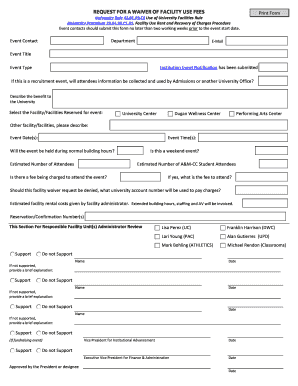
The form "Alex Berger, Steve Lichtenfeld, Judy Goodman, Michelle Harris, Andrea MaddoxDallas and - claytonmo" appears to be a specific type of document that may involve certain formalities or approvals related to a particular context or event. In this case, the names listed could indicate involved parties, signatories, or references to a committee meeting, possibly in Clayton, Missouri. Understanding the implications and requirements of such a form is vital before proceeding with its completion or submission.
Steps to Complete the Form
- Gather Required Information: Ensure you have all the necessary details pertaining to the involved individuals and the context of Dallas or Clayton, Missouri.
- Fill Out Basic Information: Enter names, dates, and any other prescribed identification details clearly.
- Provide Contextual Details: This may include meeting dates, agenda items, or decisions related to city planning or other municipal matters.
- Review for Completeness: Double-check all sections to ensure no required fields are left blank.
- Sign and Authenticate: If applicable, signatures of involved parties should be included. Consider using electronic signature options for efficiency.
- Submit: Determine whether the form is to be submitted online, by mail, or in-person, and proceed accordingly.
Who Typically Uses the Form
This form may typically be used by municipal officials, committee members, or individuals involved in city governance and community planning in Clayton, Missouri. The specificity of the names suggests a scenario where documented approvals, agreements, or discussions require formal acknowledgment by these individuals.


Key Elements of the Form
- Names and Titles: Understanding each individual's role in the context is crucial.
- Purpose of Documentation: Could range from board meetings to planning applications.
- Contextual References: Geographic or situational references such as "Dallas" or "Claytonmo" are significant.
- Data Fields: Ensure to correctly fill any unique identifiers or specific codes related to the form's purpose.
Legal Use of the Form
Legal applications of this form may include compliance with municipal regulations, documenting official decisions, or providing a legal framework for future community developments. Adhering to local laws and procedures is indispensable.
Examples of Using the Form
- City Council Meetings: Use during meetings involving discussions that require formal recording and acceptance by city officials.
- Public Planning Consultations: Apply when public opinions need documented consideration, especially in scenarios involving community development and infrastructure.
- Official Correspondences: During exchanges that require acknowledgment of receipt or consent among officials.
State-Specific Rules for the Form
Regulations may vary based on the jurisdiction within Missouri. It is important to confirm if this form aligns with state guidelines and specific municipal rules applicable to Clayton.
Required Documents
- Identity Proofs: Necessary for verifying the authenticity of the involved individuals.
- Supplemental Information: Meeting agendas, minutes, or related documents might be required.
- Prior Approvals or Permits: These could be prerequisite depending on the form's intended outcome.
Form Submission Methods
Online
- Direct portals or email submission options could be available, providing a seamless digital process.
- Traditional postal services might be used where digital options aren't viable or when original signed copies are required.
In-Person
- For confidential or sensitive submissions, hand-delivering the form might be necessary.
Business Types That Benefit Most
Municipal agencies, non-profit organizations involved in community services, and businesses engaged in regional development projects would find such forms particularly beneficial, ensuring they align with local governmental strategies and policies.
Digital vs. Paper Version
Advantages of Digital
- Efficiency: Faster processing and real-time updates.
- Accessibility: Easier sharing and collaboration.
- Environmentally Friendly: Reduces paper usage.
Advantages of Paper
- Tangibility: Physical copies may be demanded for certain legal compliances.
- Archival Security: Important for records and future references where digital data might be unreliable.
Understanding these elements helps in accurately navigating the use and submission of the form in question, ensuring legal compliance and procedural correctness.