
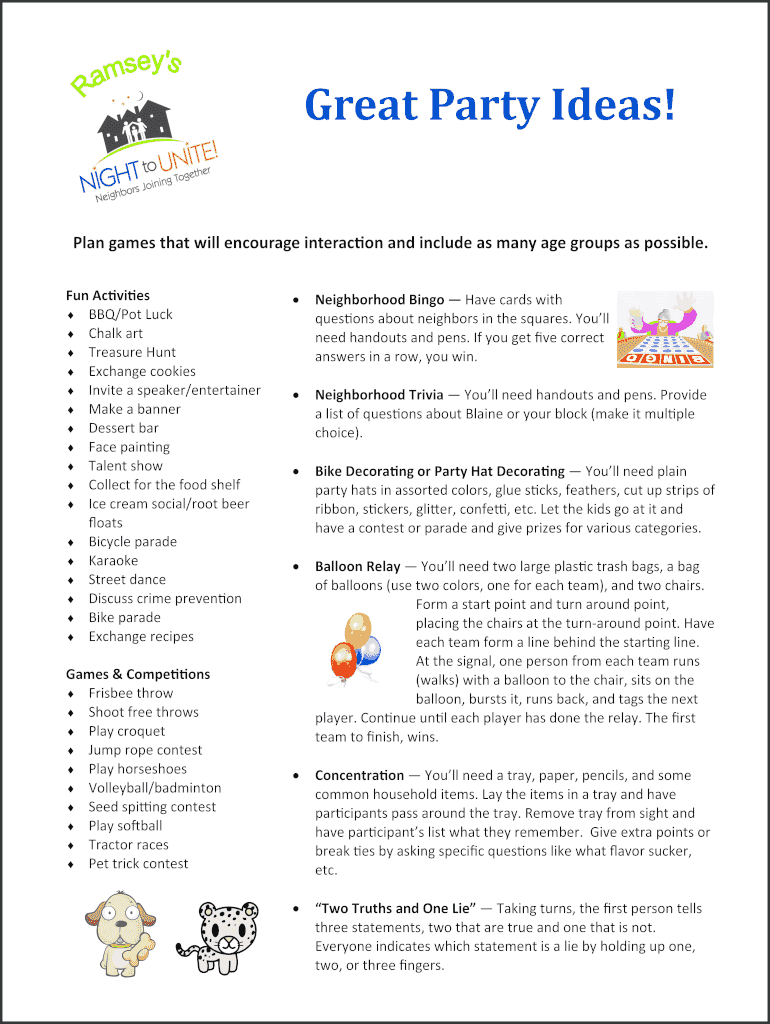







Understanding the Importance of Game Planning for Interaction Across Age Groups
Planning games that encourage interaction and incorporate multiple age groups serves as a vital tool in creating a cohesive environment at any event. These games foster social engagement, enhance communication, and promote a sense of community, which is essential for building stronger relationships among participants. By organizing inclusive games, event hosts ensure that all attendees, regardless of age, feel valued and engaged.
Steps to Create Inclusive Games for All Ages
Creating games that are inclusive involves a thoughtful process to ensure activities appeal to a broad audience:
- Identify the Demographics: Understand the age range and interests of the attendees to tailor activities.
- Select Versatile Games: Choose games with simple rules that can be easily adjusted to accommodate different skill levels.
- Incorporate Universal Themes: Use themes that resonate across generations, such as classic board games or outdoor sports.
- Facilitate Teamwork: Design games that require group collaboration, encouraging participants from different age groups to work together.
- Adapt Games On-the-Fly: Be prepared to modify games based on the participants' response and dynamics during the event.
Exemplifying Games That Work Across Generations
Certain games universally appeal to various age groups and spur interaction:
- Treasure Hunts: Adapt clues for complexity, allowing younger and older players to participate equally.
- Talent Shows: Encourage individuals or groups to showcase skills, providing opportunities for a wide array of talents.
- Creative Competitions: Activities like art or craft challenges enable participants of all ages to express creativity.
Key Elements of a Successful Interactive Game Plan
When planning games, consider several core elements that contribute to success:
- Flexibility: The ability to adjust rules or mechanics ensures everyone can enjoy and participate.
- Engagement: Games should be captivating, maintaining interest across various age groups.
- Safety: Ensure that all physical activities are safe for everyone involved, regardless of age or ability.
Why Interaction-Encouraging Games Matter
Games designed to foster interaction benefit participants by:
- Strengthening Social Bonds: Encouraging interactions helps form new friendships and deepen existing ones.
- Developing Skills: Participants enhance communication, problem-solving, and teamwork abilities.
- Creating Lasting Memories: Shared experiences during games create cherished memories for attendees.
Who Benefits from Interactive Game Plans
These game strategies are advantageous for a variety of settings:
- Family Events: Reunions and gatherings where family members of all ages need engaging activities.
- Corporate Retreats: Team-building exercises that include diverse employees enhance productivity.
- Community Events: Local festivals or celebrations where inclusivity is a priority.
Legal Considerations for Game Planning
While planning games, it is essential to consider legal aspects:
- Liability Waivers: For events with physical activities, consider obtaining waivers to protect against legal issues.
- Age-Appropriate Content: Ensure games comply with regulations regarding age appropriateness and safety standards.
Exploring Variants and Alternatives to Traditional Games
Consider alternative games or modernize classics to increase appeal:
- Digital Adaptations: Leverage technology to create digital versions of popular games, allowing remote participation.
- Cultural Games: Incorporate games from various cultures, offering educational value and inclusiveness.
Practical Examples and Scenarios
Real-world implementations of these game plans are abundant:
- Neighbourhood Scavenger Hunts: Community-wide hunts encourage local engagement and teamwork.
- Mixed-Age Trivia Nights: Tailor questions to include topics familiar to different age groups, fostering fun and learning.
Understanding these aspects thoroughly ensures the success of any game plan intended to promote interaction and inclusivity across all age groups. By following structured guidelines and innovative ideas, event planners create memorable and interactive experiences for every participant.




