






Definition & Meaning
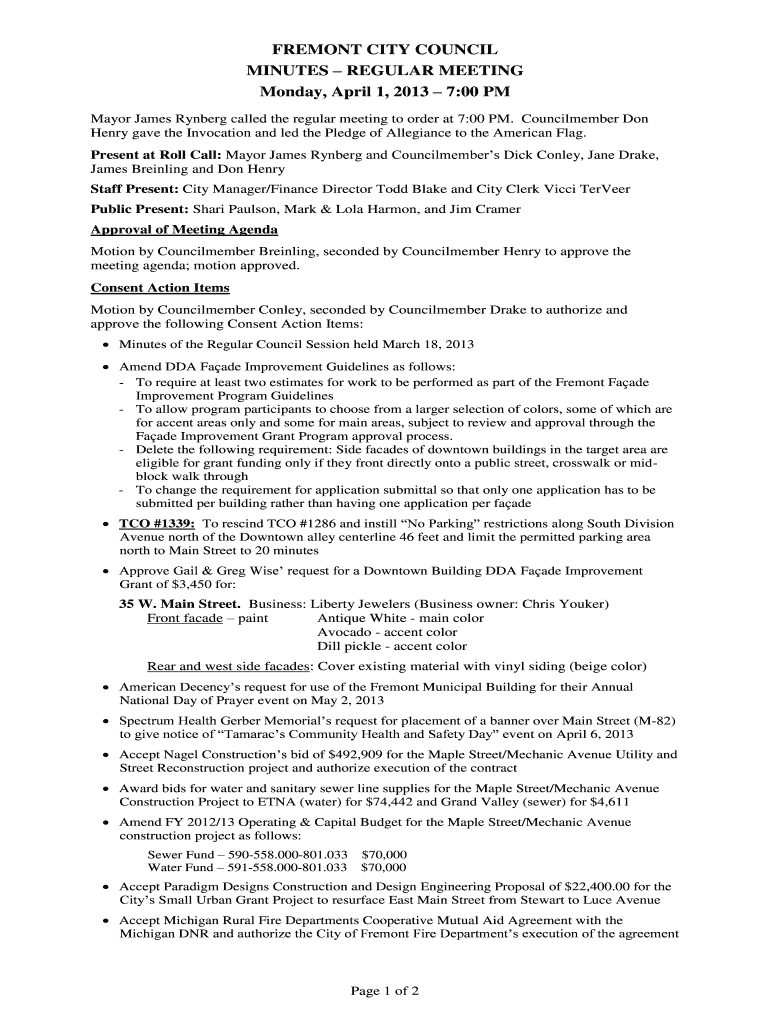
"Councilmember Don Henry gave the Invocation and led the Pledge of Allegiance to the American Flag" refers to a ceremonial start of a public governmental meeting, often a city council session, in which Councilmember Don Henry initiates proceedings with a religious invocation followed by leading the assembly in the Pledge of Allegiance. This act symbolizes unity and respect for national and local governance traditions.
Importance of the Invocation
- Sets a respectful tone for the meeting
- Often reflects the cultural and religious diversity of the community
- May include themes of gratitude, guidance, and peace
Role of the Pledge of Allegiance
- Demonstrates patriotism and respect for the nation
- Reinforces a sense of collective identity and civic duty
Steps to Complete the Ceremony
- Preparation: Before the meeting, coordinate with Councilmember Don Henry regarding any specific themes or individuals to mention during the invocation.
- Welcome and Introduction: At the opening of the meeting, introduce Councilmember Don Henry as the ceremonial leader.
- Invocation: Allow Councilmember Don Henry to deliver the invocation. This can include prayers, moments of reflection, or inspirational messages.
- Transition to Pledge: After the invocation, transition smoothly to the Pledge of Allegiance.
- Lead the Pledge: Councilmember Don Henry leads participants in reciting the Pledge of Allegiance.
Key Elements of the Ceremony
Invocation
- Adherence to community values and inclusivity
- Duration typically between one to three minutes
- Option to include silent reflection for those who prefer
Pledge of Allegiance
- Recited by standing, facing the American flag with right hand over the heart
- Participation is not mandatory, respecting personal beliefs and rights
Legal Use and Considerations
Public Meeting Protocol
- The invocation and pledge are not legally binding but are traditional components
- Must observe First Amendment guidelines ensuring separation of church and state
- Ensure voluntary participation to respect individual freedoms
Inclusivity and Representation
- Possible to include different faith representatives on a rotating basis
- Example: An interfaith council often suggests a diverse range of invocation leaders
Who Typically Uses This Format
- City Councils
- School Boards
- Local Governmental Agencies
Participant Roles
- Elected officials, community members, local leaders
- Clergy or laypersons representing various faiths, when applicable
Examples and Case Studies
City Council Meetings
- In many U.S. cities, the invocation and pledge mark the start of official business
- Example: City of Bellevue rotates invocation delivery among different council members
Educational Institutions
- School boards may open meetings with student representatives leading the Pledge of Allegiance
State-Specific Rules
Variations Across States
- Some states have specific guidelines about religious content
- Others may recommend or require a secular alternative invocation
Recognizing Cultural Norms
- Tailor the content to reflect local cultural sensibilities
- Respect for a wide range of secular and religious traditions
Digital vs. In-Person Ceremonies
Virtual Adaptations
- If meetings are held online (via platforms like Zoom or Microsoft Teams), the invocation and pledge can be integrated digitally
- Speakers may be advised to ensure clear audio for all remote participants
Challenges and Solutions
- Ensuring everyone is muted during the Pledge to minimize audio feedback
- Using a video of the American flag when reciting the Pledge
Why Should You Include This Ceremony
- Promotes unity and sets a respectful tone for community discussions
- Reflects long-standing traditions valued by many constituents
Enhancing Civic Engagement
- Opportunities for community involvement and representation
- Symbols of national and communal pride that encourage participation in governance
This structured approach to understanding and executing the ceremonial aspects of public meetings allows participants and organizers to uphold meaningful traditions while respecting diverse perspectives and legal considerations.