Definition & Meaning
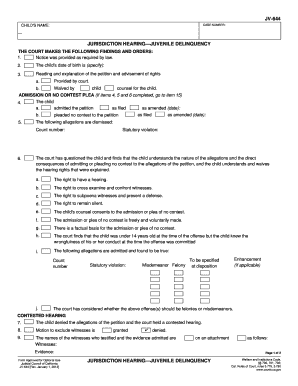
The term "Jonathon E" generally refers to a form or document specific to a certain context or application. It might be a standardized form used for legal, financial, or governmental purposes. Understanding its full definition requires determining the specific context in which it is used. For example, if it’s a legal form, it might pertain to contractual agreements or compliance documentation. Knowing the precise nature of "Jonathon E" within its operational framework helps in identifying the necessary steps and information associated with it.
How to Use the Jonathon E
Using the "Jonathon E" form effectively requires familiarity with its components and intended purpose. Typically, forms like "Jonathon E" serve specific informational or procedural requirements, such as collecting personal details, financial data, or compliance information. To achieve accurate usage:
- Read the form carefully to understand every section and requirement.
- Gather necessary information before starting the form, such as identification numbers, business information, or financial details.
- Complete the form online or print and fill it out by hand, ensuring all information is accurate and legible.
- Review the completed form to check for errors or omissions.
- Submit according to prescribed methods, such as mail, online platforms, or in-person delivery.
Key Elements of the Jonathon E
Understanding the key elements imbues users with the confidence to complete the "Jonathon E" correctly. These elements usually include:
- Personal or Business Information: Identifying details that may include name, address, contact information, and other necessary identifiers.
- Data Sections: Specific areas to input financial, legal, or other subject-specific data.
- Signatory Sections: Areas for authorized signatures, ensuring accountability and compliance.
Each section is designed to capture specific information necessary for the form’s intended purpose, and it is vital to understand their requirements before completion.
Steps to Complete the Jonathon E
To systematically complete the "Jonathon E":
- Preparation: Gather all necessary documentation and information needed. This might include identification documents, financial statements, or relevant legal papers.
- Input Data: Enter information into each required section of the form. Pay attention to details to avoid errors.
- Verification: Double-check entries for accuracy and completeness, ensuring all required fields are filled.
- Attach Supporting Documents: If additional documents are required, make sure they are attached or included as per the instructions.
- Submission: Follow the specified submission process, whether it be online, by mail, or in-person. Ensure documentation is delivered within any stipulated deadlines.
Legal Use of the Jonathon E
The "Jonathon E" must be used in compliance with legal standards relevant to its jurisdiction and intended purpose. This may involve adherence to privacy laws, data protection protocols, or financial regulations. Understanding these legal frameworks ensures ethical and compliant form usage, protecting both submitters and recipients from potential liabilities.
State-Specific Rules for the Jonathon E
States may impose specific rules and requirements for the "Jonathon E". These can manifest as variations in:
- Submission Processes: The method by which the form is submitted may vary by state (online, mail, etc.).
- Compliance Protocols: Different states might have varying regulatory requirements or additional documentation criteria.
- Deadline Regulations: Deadlines for submission or completion may differ based on state law or policy.
Understanding state-specific rules can prevent compliance issues and ensure successful form submission.
Who Typically Uses the Jonathon E
Different users may require the "Jonathon E" based on its role and function:
- Businesses and Corporations: For compliance, reporting, or contractual obligations.
- Individual Taxpayers: If related to financial reporting or legal declarations.
- Government Agencies: For processing claims, applications, or regulatory submissions.
Identifying the typical user can help in contextualizing the form’s usage and implications.


Required Documents
Completing the "Jonathon E" often necessitates submitting supplementary documents.
- Identification: Such as social security numbers, business registration documents, or proof of identity.
- Financial Statements: For forms related to financial reporting or compliance.
- Legal Contracts: If the form relates to binding agreements.
Ensuring all required documents are available and verifiable is critical for successful form completion and submission.