







Definition and Importance of a Patient Profile Template
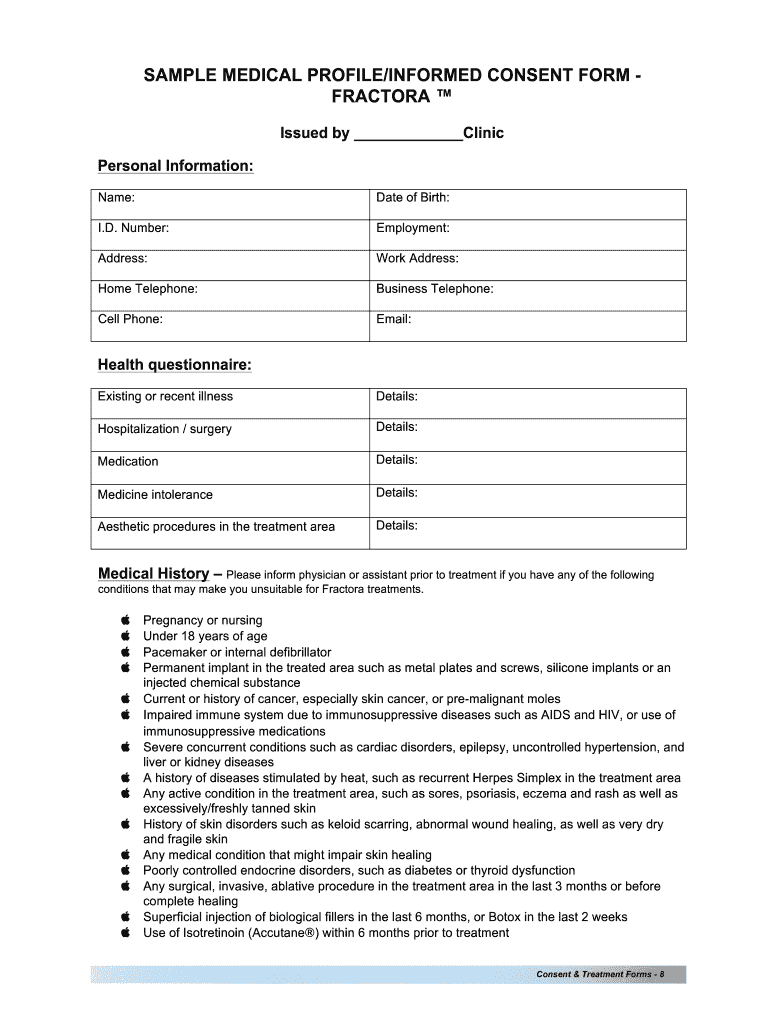
A patient profile template is a structured document used to gather comprehensive information about a patient’s medical history, current health status, and personal details that may impact treatment plans and medical decisions. It serves as a critical tool for healthcare providers, enabling them to create tailored treatment strategies based on individual patient needs.
A typical patient profile includes sections for:
- Personal Information: Name, age, gender, contacts, and insurance details.
- Medical History: Pre-existing conditions, allergies, and past surgeries.
- Current Medications: List of all medications the patient is currently taking, including dosages and frequency.
- Family History: Diseases or conditions that may run in the family, which can inform risk assessments.
By having a standard format, healthcare professionals can ensure that they collect all necessary information systematically, reducing the likelihood of errors or omissions during patient interviews. The template also enhances communication among healthcare providers and improves a patient's continuity of care.
How to Use the Patient Profile Template Effectively
Effectively utilizing a patient profile template begins with selecting the appropriate version that meets the needs of the healthcare setting. The template can often be customized based on specific requirements.
Steps to Use the Template
-
Choose the Right Format: You can select from various formats like a Word document, PDF, or an online form based on the technological capabilities of your practice.
-
Gather Required Information: Before filling out the template, ensure that you have all necessary documents and details, such as identification, insurance cards, and previous medical records.
-
Complete the Template: Enter the patient’s information carefully, focusing on accuracy. Include all relevant medical history and current treatment details.
-
Review and Validate: After completion, review the document for completeness and accuracy. Double-check that all fields are filled correctly and confirm details with the patient where necessary.
-
Store Securely: Finally, ensure that the completed profile is stored securely, whether physically or electronically, adhering to HIPAA regulations for patient confidentiality.
Utilizing the patient profile template with precision enables healthcare providers to access essential information quickly, ensuring informed decision-making regarding patient care.
Key Elements to Include in a Patient Profile Template
A comprehensive patient profile template should encompass several key elements to ensure all necessary information is captured for optimal care.
Essential Components
-
Identification Information: Patient's full name, date of birth, gender, and primary address, which are fundamental for record keeping.
-
Contact Information: Emergency contacts, preferred communication methods, and best times to reach the patient.
-
Medical History Section: This should detail chronic illnesses, surgical history, and any family health issues. It is critical for assessing risks.
-
Current Medications: List prescriptions, over-the-counter medications, and supplements that the patient is taking. This helps prevent adverse drug interactions.
-
Lifestyle and Social History: Information about the patient’s living conditions, occupation, and any lifestyle choices (e.g., smoking, exercise habits) assists in developing a holistic care plan.
By ensuring these elements are included, healthcare professionals can gain a complete understanding of their patients, facilitating more effective treatment plans and enhancing overall patient outcomes.
Examples of Patient Profile Templates in Practice
Understanding how a patient profile template is implemented in real-world settings is helpful for both practitioners and patients.
Scenarios of Usage
-
Primary Care Settings: In a family medicine practice, the patient profile helps physicians quickly access a patient’s entire health history during appointments, ensuring wait times are minimized and care is streamlined.
-
Specialist Consultations: A cardiologist might receive a patient profile that highlights cardiovascular history, enabling tailored assessments and quicker decision-making on treatment protocols.
-
Pharmacy Utilization: Pharmacies often use a patient profile to verify a patient's medication history, ensuring safety in prescriptions and identifying potential drug interactions.
-
Mental Health Services: Mental health providers utilize these templates to capture nuanced details about a patient’s background, current issues, and treatment responses, fostering continuity in therapy and medication management.
These examples illustrate the versatile applications of a patient profile template, enhancing communication and continuity in care across various healthcare levels.
Legal Use of the Patient Profile Template
Understanding the legal implications of patient profile templates is crucial for compliance and ethical handling of health information. In the United States, these documents must adhere to pertinent laws and regulations to protect patient rights.
Legal Considerations
-
HIPAA Compliance: The Health Insurance Portability and Accountability Act mandates that all patient information be confidential and protected from unauthorized access. Practices must ensure their profile templates store data securely.
-
Informed Consent: Patient profiles should include sections that allow for informed consent regarding treatment options and privacy policies. This ensures patients understand how their information will be used.
-
Retention Policies: Healthcare providers must establish clear policies regarding how long patient profiles will be maintained securely and the protocols for disposing of them after their retention period expires.
By ensuring that patient profile templates are legally compliant, healthcare organizations can safeguard patient information while fostering trust and transparency with their clients.




