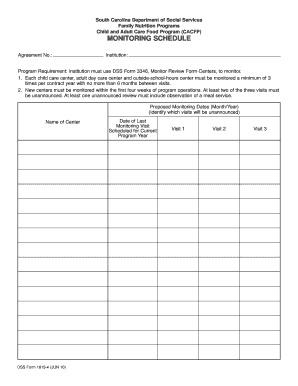
Definition and Purpose of a Group Contract Sample
A group contract sample is a template used to outline agreements, roles, and responsibilities within a team working on a project. This document serves as a formalized agreement that ensures accountability and clarifies each member's duties. The template typically includes sections on project goals, timelines, conflict resolution strategies, and contact information for all participants. By providing a structured format, it helps teams ensure everyone is aligned with the project's objectives and expectations.
Key Advantages
- Structured Framework: Provides a clear and organized layout for setting expectations and responsibilities.
- Conflict Mitigation: Includes strategies for resolving disagreements, promoting a harmonious working environment.
- Accountability: Clearly assigned roles foster responsibility and commitment.
- Timeline Clarity: Establishes deadlines to keep the project on schedule.
How to Use the Group Contract Sample
Using a group contract sample involves filling out specific sections and customizing them to fit the project's needs. Teams should gather to discuss and agree on each component of the contract. The process generally begins with identifying the team members and their respective roles, followed by outlining project goals and deadlines. It's crucial to collaboratively define conflict resolution mechanisms and specify any unique requirements that may be pertinent to the project.
Step-by-Step Usage
- Gathering Information: Collect names, roles, and contact details of all team members.
- Defining Goals: Align on the project's objectives and expected outcomes.
- Setting Timelines: Determine milestones and deadlines for each phase of the project.
- Assigning Roles: Clarify individual responsibilities to ensure everyone knows their tasks.
- Establishing Communication Protocols: Decide on platforms and frequency of updates.
Steps to Complete the Group Contract Sample
Completing a group contract sample involves several key steps. Start by filling out general information about the project and team. Next, work collectively to establish primary goals and deliverables. Assign roles and duties to each member, ensuring they understand their contributions. Set clear timelines and deadlines for deliverables. Lastly, agree on conflict resolution methods to anticipate possible disputes.
Detailed Process
- Basic Information: Begin with filling out team member details and project name.
- Objective Setting: Collaborate on defining clear project goals.
- Role Assignment: Assign specific tasks and responsibilities to each member.
- Timeline Development: Outline the schedule from start to finish, including key milestones.
- Conflict Resolution: Agree on strategies such as mediation or consensus-building processes.
- Final Review: Ensure all team members consent to the terms before signing off.
Key Elements of a Group Contract Sample
Key elements of a group contract sample include objectives, roles, timelines, and conflict resolution strategies. Objectives set the direction; roles clarify individual duties; timelines keep the project on track, and conflict strategies ensure smooth cooperation. Each element is chosen to promote a seamless workflow and tackle common issues in group projects.
Essential Components
- Objectives: Clear definitions of what the team aims to achieve.
- Roles and Responsibilities: Specific duties assigned to each team member.
- Timelines and Milestones: Dates for deliverables and checkpoints.
- Conflict Resolution: Predefined methods for handling disagreements.
- Signatures: Endorsement from all members to affirm understanding and consent.
Who Typically Uses the Group Contract Sample
Group contract samples are widely used in educational settings, business collaborations, and project management scenarios. They are particularly beneficial for teams working on joint assignments or cross-departmental initiatives. By implementing a group contract, organizations ensure efficient teamwork and effective communication.


Common Users
- University Students: For organizing team projects or assignments.
- Business Teams: During collaborative initiatives or joint ventures.
- Nonprofits: When organizing community projects or events.
- Research Groups: For coordinating efforts on academic publications.

Legal Use of the Group Contract Sample
A group contract sample can be used legally as a binding document if properly executed. In professional environments, it clarifies obligations and can be enforced to ensure compliance with the established terms. It is critical, however, that all parties consent to the terms, and any modifications are agreed upon by all team members.
Legal Considerations
- Binding Agreement: When signed, it can serve as a legal document outlining mutual agreements.
- Modifications: Changes should be documented and signed by all parties.
- Consent: Everyone involved must willingly agree to the terms.
- Confidentiality: Sensitive information should be protected as per the agreement's terms.
Important Terms Related to Group Contract Sample
Understanding the specific terms related to a group contract sample is crucial for effective implementation. Terms such as "deliverables," "conflict resolution protocols," and "consensus-building" are integral to the contract's language and must be clearly defined to avoid ambiguity.
Key Terminology
- Deliverables: Specific outcomes or products expected from the project.
- Milestones: Key dates signifying the completion of major stages.
- Consensus: A common agreement reached by the team members.
- Role Clarity: Understanding and acceptance of assigned responsibilities.