






Definition & Meaning
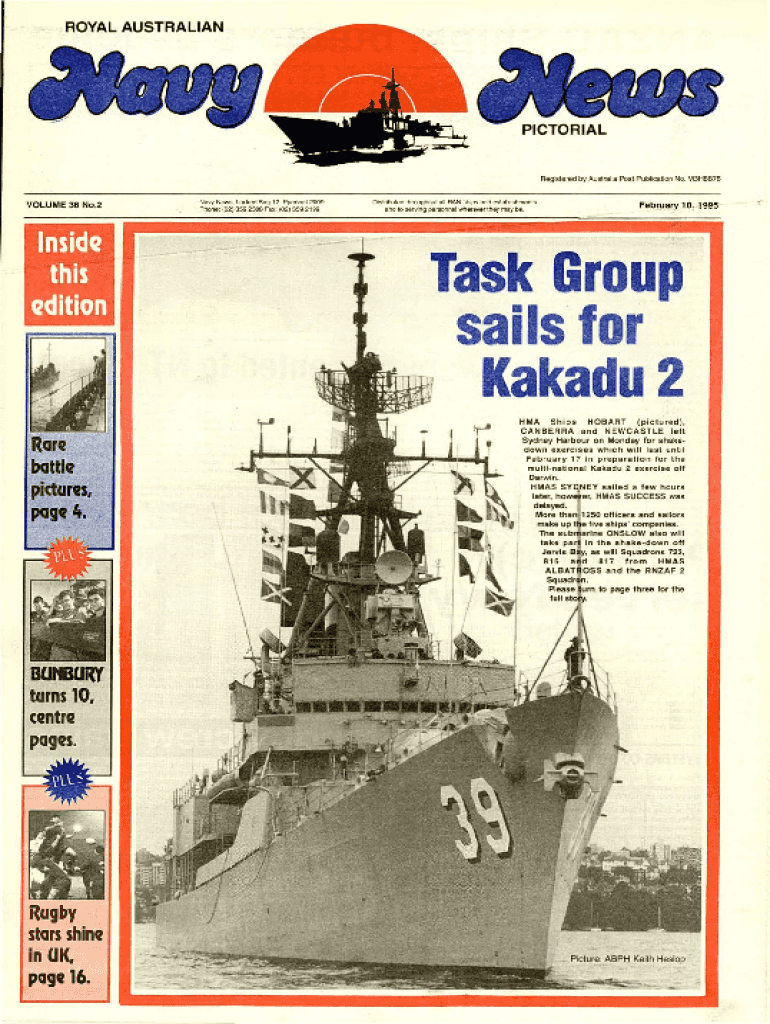
The naval contribution to national security and prosperity encompasses the role of naval forces in safeguarding a nation's maritime interests, supporting economic growth, and maintaining security at sea. This concept involves various aspects of maritime operations, including defense missions, trade protection, and natural resource management. Understanding this contribution emphasizes the strategic importance of naval power in ensuring safe and efficient maritime commerce, which is vital for economic prosperity and national security.
How to Use "The Naval Contribution to National Security and Prosperity"
Using the theme of naval contribution involves recognizing and supporting the multifaceted roles of naval forces. Organizations, policymakers, and individuals can leverage naval expertise to promote safety, develop maritime infrastructure, and protect marine biodiversity. Engaging with naval practices in training, joint operations, and strategic planning helps integrate these contributions into broader security and economic development agendas.
Steps to Complete "The Naval Contribution to National Security and Prosperity" Initiatives
- Assessment of Current Capabilities: Evaluate existing naval resources, personnel, and infrastructure.
- Identify Strategic Objectives: Define clear goals related to naval operations and contributions to national security and economic growth.
- Collaborate with Stakeholders: Engage governmental, private sector, and international partners to align efforts and share expertise.
- Develop Training and Educational Programs: Enhance personnel capabilities through advanced training and knowledge exchange.
- Implement Technological Advances: Integrate cutting-edge technology to improve maritime operation efficiency and security measures.
- Continuous Monitoring and Evaluation: Track progress and impact, adjusting strategies to meet changing needs and environments.
Key Elements of the Naval Contribution
- Defense Strategy: Protects territorial waters, deters threats, and participates in peacekeeping missions.
- Economic Support: Ensures safe passage for commercial shipping routes, essential for trade and supply chains.
- Resource Management: Safeguards maritime resources, including fisheries and offshore energy reserves.
- International Cooperation: Involves multinational exercises and partnerships to enhance global maritime security.
Who Typically Uses "The Naval Contribution to National Security and Prosperity"?
Governments, defense agencies, maritime industry stakeholders, and academic institutions are primary users. These groups leverage naval contributions for national defense planning, economic strategy development, and research on maritime security issues. The naval forces themselves are central actors, implementing strategic policies on the ground and sea.
Examples of Using "The Naval Contribution to National Security and Prosperity"
- Multinational Naval Exercises: Enhance interoperability and readiness, serving as a practical demonstration of collaborative security efforts.
- Trade Route Security Operations: Protect shipping lanes from piracy, ensuring uninterrupted economic activities.
- Environmental Protection Missions: Address pollution and illegal fishing through specialized naval operations to maintain ecological balance.
Legal Use of "The Naval Contribution to National Security and Prosperity"
Naval operations are governed by international maritime laws and national regulations. Compliance with the United Nations Convention on the Law of the Sea (UNCLOS) ensures lawful naval conduct, promoting peace and security. Understanding these legal frameworks is crucial for maintaining the legitimacy and effectiveness of naval contributions.
Form Submission Methods for Naval-Related Documentation
Naval policies and plans require systematic documentation submission, typically managed through digital platforms that enable secure and efficient processing. Forms can be submitted online or via mail, depending on the document type and jurisdiction. Digital submissions are often preferred for their speed and security.
Important Terms Related to Naval Contributions
- Maritime Domain Awareness (MDA): Understanding and monitoring maritime activities to ensure security and operational success.
- Naval Architecture: The design and construction of vessels to optimize performance and mission capability.
- Joint Task Forces: Collaborative units formed for specific missions, highlighting inter-agency and international cooperation.
Digital vs. Paper Version for Naval Documentation
In the modern era, the digital version of naval documentation is increasingly favored due to its real-time accessibility, secure storage, and ease of distribution. However, certain scenarios might require paper versions, especially in contexts where digital access is limited or for archival purposes.