






Definition & Meaning
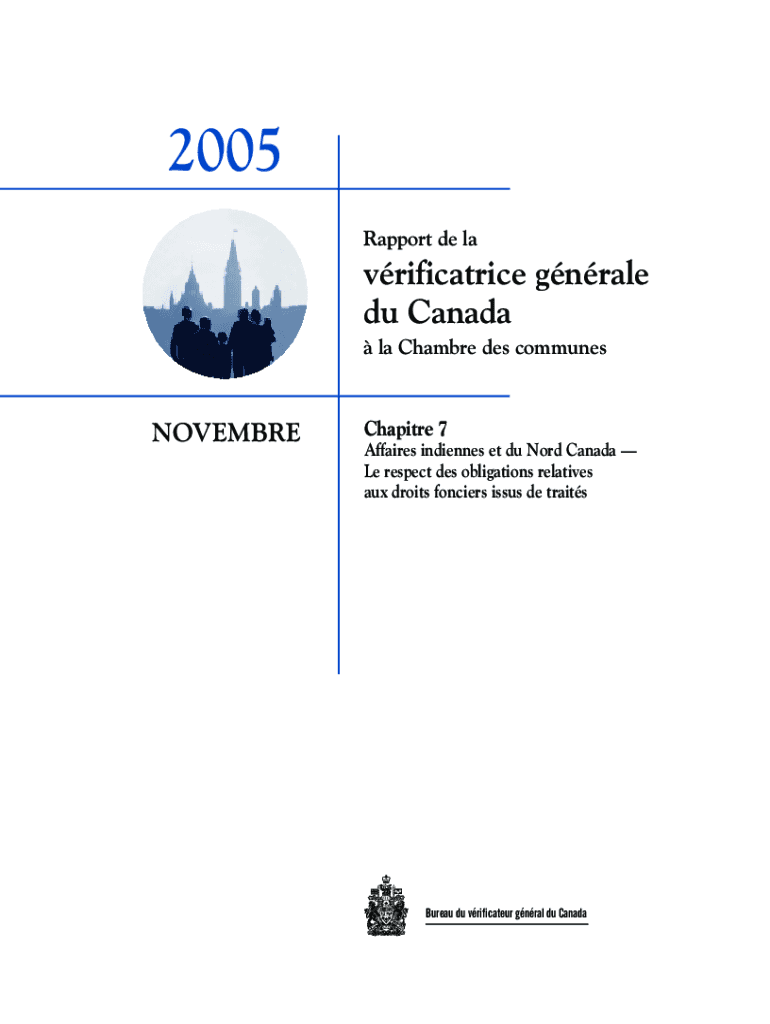
The "propos de la Loi - Department of Justice" form is an essential legal document that relates to specific regulatory and legal processes managed by the Department of Justice (DOJ). This form is used to document and detail various legal propositions or legislation concerning justice administration. Understanding the intricacies of this form is crucial for those involved in legal compliance, legislative analysis, or policy formation.
- Purpose: Used to outline and propose changes in legislative measures.
- Users: Primarily used by legal professionals, government officials, and lawmakers.
This document serves as a blueprint for modifications in legal frameworks and is pivotal in helping stakeholders understand and negotiate the legal landscape accurately.
How to Use the Propos de la Loi - Department of Justice
Using this form involves several structured steps that ensure comprehensive and accurate completion. Familiarity with the form’s sections and their specific requirements is critical.
- Identify the Relevant Sections: Understand which parts of the form apply to your specific legal issue or legislative change.
- Complete Detailed Information: Provide thorough and precise details as required, aligning with any legal references.
- Consult Legal Expertise: Engage with legal advisors to confirm interpretations and implications of the form's content.
Proper usage of this form ensures that all stakeholders are aligned with current legal propositions and that any proposed changes are documented effectively.
Key Elements of the Propos de la Loi - Department of Justice
The form comprises various elements essential for ensuring clarity and compliance with the Department of Justice regulations.
- Title and Proposing Party: Clearly state the proposal's title and the individual or organization responsible for drafting it.
- Legal Context: Include relevant legal statutes or regulations that justify the proposal.
- Objective and Justification: Specify the primary aims of the proposal and the rationale behind it.
These elements help create a structured and well-founded document, ensuring all necessary legal considerations are addressed.
Steps to Complete the Propos de la Loi - Department of Justice
Filling out this form requires careful adherence to procedural steps to ensure completeness and compliance.
- Gather All Required Information: Compile information on legal references and supporting documents.
- Draft Initial Proposal: Begin drafting the proposal with detailed analysis and data.
- Review and Revise: Go through multiple rounds of revisions, preferably with legal counsel, to refine and address potential legal pitfalls.
- Finalize and Submit: Complete the final version and submit it through the appropriate DOJ channels.
Following these steps ensures that the form is comprehensive, accurate, and ready for review or implementation by the Department.
Who Typically Uses the Propos de la Loi - Department of Justice
This form is typically used by a range of individuals and entities involved in legislative processes and justice system administration.
- Lawmakers and Legal Advisors: To propose amendments or new legislation.
- Government Agencies: For compliance and regulatory updates.
- Policy Analysts: To assess the impact of proposed legal changes.
These users rely on the form to communicate legal intents and changes effectively to the responsible authorities and other stakeholders involved.


Legal Use of the Propos de la Loi - Department of Justice
The form serves critical functions within legal and governmental frameworks, facilitating transparency and accountability in legislative processes.
- Compliance Documentation: Ensures all proposed changes are within federal and state legal boundaries.
- Official Record: Acts as a reference for past and future legal alterations, providing a historical record of legal proposals.
- Tool for Advocacy: Allows advocacy groups to formally propose legislative changes to support social or political objectives.
These uses underscore the form's importance in maintaining a structured approach to managing legal propositions and changes within the justice system.
Important Terms Related to Propos de la Loi - Department of Justice
Understanding certain terms associated with this form is crucial for its proper completion and interpretation.
- Statute: A formal written enactment by a legislative authority.
- Amendment: A change or addition proposed or made to a legal document or statute.
- Jurisdiction: The official power to make legal decisions and judgments.
Grasping these terms ensures that users are able to navigate legal jargon effectively, facilitating more accurate and efficient completion of the form.
Required Documents
When completing the "propos de la Loi - Department of Justice" form, several documents may be needed to support the proposal and validate legal standings.
- Previous Legislation: Copies of any related legislation that supports or necessitates the proposal.
- Impact Analysis: Reports assessing the potential effects and benefits of the proposed legal changes.
- Legal Citations: Documentation of legal precedents or statutes referenced in the proposal.
Providing these documents is necessary for creating a robust legal foundation for the proposed changes, ensuring thorough evaluation by the Department of Justice.
Form Submission Methods
Submission of this form to the Department of Justice can be performed through various methods, ensuring flexibility and compliance with procedural requirements.
- Online Submission: Utilizing DOJ's official online portal for quicker processing.
- Mail-in Submission: Sending physical copies via certified mail to the DOJ’s designated address.
- In-person Submission: Delivering directly to an authorized DOJ office for immediate acknowledgment.
Choosing the most suitable submission method depends on timelines and the specific requirements outlined by the Department, ensuring efficient and acknowledged delivery.