






Definition & Meaning
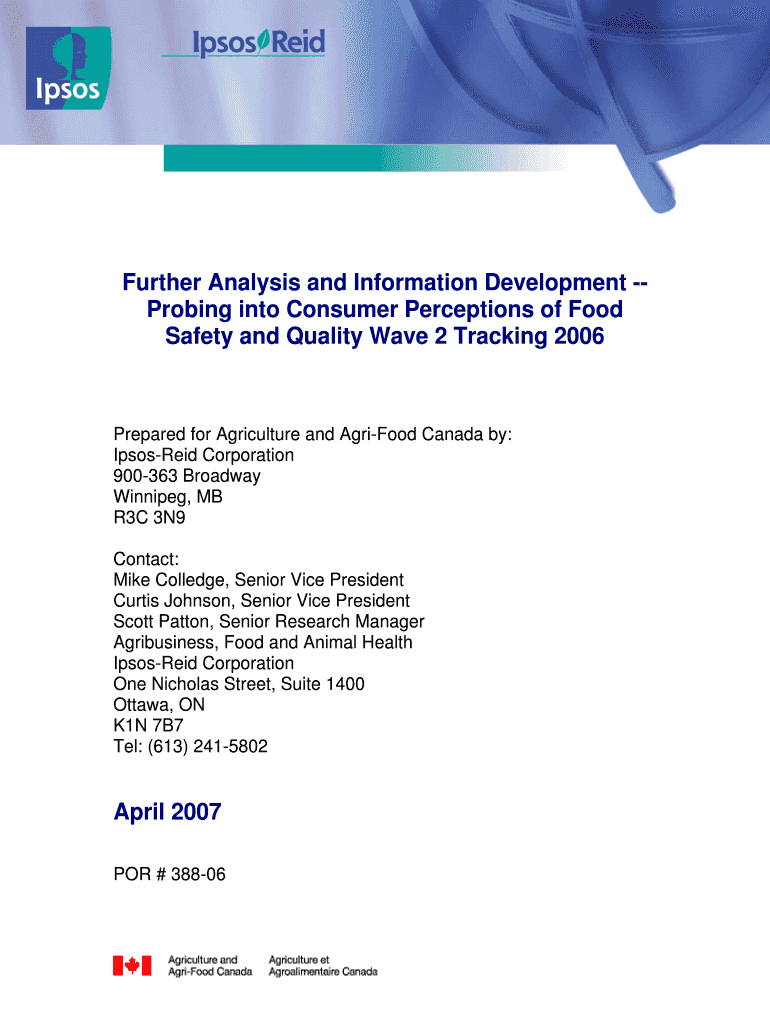
The term "Top-of-Mind Food Topics and Quality Safety Trade-offs" embodies a specific perspective on how consumers prioritize their concerns regarding food quality and safety. This concept seeks to explore the balance between maintaining high food safety standards and meeting consumer preferences for quality attributes. In essence, it reflects the ongoing dialogue and decision-making process that consumers, producers, and regulatory bodies engage in to ensure food safety without compromising on the quality factors that matter most to the public. This balance is crucial in addressing both market demands and health standards.
How to Use the Top-of-Mind Food Topics and Quality Safety Trade-offs
To effectively use the "Top-of-Mind Food Topics and Quality Safety Trade-offs," individuals and organizations should:
- Identify consumer priorities through surveys and research to understand which food topics are most prominent.
- Analyze the trade-offs consumers are willing to make between food safety and quality.
- Implement findings into product development and marketing strategies.
- Ensure messaging aligns with consumer values, highlighting how safety and quality are balanced.
- Regularly update and review these priorities as consumer preferences evolve.
For businesses, this approach can help in tailoring products that align with consumer expectations while meeting safety regulations.
Key Elements of the Top-of-Mind Food Topics and Quality Safety Trade-offs
Understanding the key elements involved in the "Top-of-Mind Food Topics and Quality Safety Trade-offs" allows stakeholders to navigate the food industry effectively:
- Consumer Preferences: Focus on attributes like freshness, nutritional value, and organic certification.
- Safety Standards: Adherence to regulations and safety practices, ensuring consumer confidence.
- Market Research: Ongoing studies to track shifting consumer priorities and concerns.
- Product Development: Innovations that incorporate consumer-desired traits without compromising safety.
- Communication: Clear, transparent messaging regarding safety measures and quality benefits.
Recognizing these components can enhance trust and loyalty among consumers.
Who Typically Uses the Top-of-Mind Food Topics and Quality Safety Trade-offs
This concept is predominantly used by:
- Food Manufacturers and Producers: To balance safety protocols with consumer-driven quality traits.
- Regulatory Bodies: For shaping policies that address both safety and consumer quality expectations.
- Retailers: To select products that align with current consumer trends.
- Market Researchers: For analyzing data on consumer behavior related to food safety and quality.
- Marketing Teams: In crafting campaigns that highlight both safety and quality benefits.
These users leverage this understanding to optimize their operations and meet regulatory and market demands.


Important Terms Related to Top-of-Mind Food Topics and Quality Safety Trade-offs
Certain terms are vital to grasp when discussing this topic:
- Nutritional Value: The measurable elements of food that contribute to a well-balanced diet.
- Food Recalls: Actions by manufacturers to remove unsafe products from the market.
- Consumer Confidence: Trust consumers have in the safety and quality of food products.
- Organic Production: Farming methods that adhere to organic standards, often perceived as enhancing quality.
- Regulatory Compliance: Adhering to set standards for both safety and quality in food production.
These terms provide a foundational understanding necessary for engaging with these trade-offs effectively.
Steps to Complete the Top-of-Mind Food Topics and Quality Safety Trade-offs
For those involved in implementing strategies based on these trade-offs, a structured approach is essential:
- Conduct Surveys and Research: Gather data on consumer preferences and perceptions.
- Analyze Findings: Determine which quality attributes are prioritized and the extent of safety trade-offs.
- Formulate Strategies: Develop methods and products that align with these consumer insights.
- Implement Safety Protocols: Ensure compliance with established safety standards.
- Communicate Clearly: Inform consumers of how products meet both safety and quality expectations.
- Monitor Market Trends: Regularly reassess strategies to remain aligned with evolving consumer preferences.
Examples of Using the Top-of-Mind Food Topics and Quality Safety Trade-offs
Real-world application of this concept can be seen in various industries:
- Organic Brands: Companies offering organic foods often highlight their commitment to both safety and quality, addressing consumer desires for health and sustainability.
- Local Producers: Emphasizing freshness and safety in their marketing to appeal to consumers valuing local and minimally processed products.
- Food Giants: Incorporating robust safety measures while promoting taste and convenience, addressing the dual concerns for quality and safety.
These examples illustrate the diverse ways companies navigate these trade-offs in marketing and product development.
Consumer Perceptions and Quality Definitions
Understanding how consumers define quality is vital in navigating these trade-offs. Consumers may prioritize:
- Nutritional Content: Importance placed on vitamins, minerals, and overall nutritional profile.
- Freshness: Preference for products that appear and taste fresh.
- Sustainability: Quality perceived in terms of environmentally friendly practices.
- Safety Protocols: Assurance through labels indicating adherence to safety standards.
Recognizing these perceptions helps businesses meet consumer expectations while maintaining necessary safety standards.