







Definition & Meaning
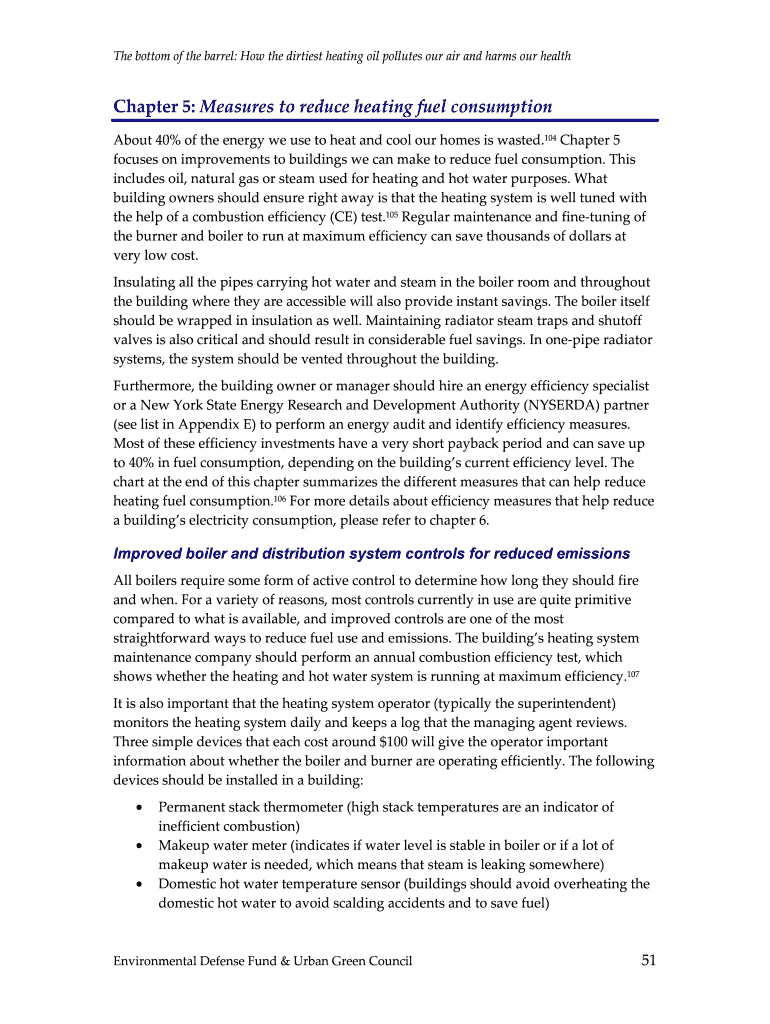
The form "Clean Heat: A Technical Response to a Policy Innovation - NCBI" represents a comprehensive document analyzing policy advancements aimed at enhancing heating systems' efficiency. It delves into the technical methodologies adopted in response to policy-driven initiatives, particularly focusing on energy efficiency in heating systems. This document serves as a critical resource for understanding sustainable heating innovations aimed at reducing environmental impacts.
Understanding the Technical Aspects
- Technical Responses: Involves implementing systems that maximize energy use and reduce waste, such as energy management systems (EMS) and thermostatic radiator valves (TRVs).
- Policy Innovations: Refers to new regulations and standards designed to guide the development and implementation of clean heat technologies.
How to Use the Clean Heat: A Technical Response to a Policy Innovation - NCBI
Practitioners and organizations can leverage this document as a guideline to align their heating systems with contemporary policy requirements. By following the suggested modifications, users can enhance their systems' performance and comply with the latest industry standards.
Practical Applications
- System Upgrades: Reference the document to identify necessary upgrades for existing heating systems.
- Efficiency & Maintenance: Use recommended practices to conduct regular maintenance and efficiency tests to improve performance.
Key Elements of the Clean Heat: A Technical Response to a Policy Innovation - NCBI
This document outlines significant recommendations and technical strategies essential for enhancing heating energy efficiency. It provides detailed insights into:
- Combustion Efficiency Tests: Guide on conducting tests to assess and improve the efficiency of heating units.
- Insulation Techniques: Coverage of modern insulation practices to minimize energy loss.
- Financial Incentives: Information about NYSERDA's available financial incentives supporting energy-efficient upgrades.
Steps to Complete the Clean Heat: A Technical Response to a Policy Innovation - NCBI
Complete the document by following methodical steps to ensure thorough evaluation and application of the necessary changes:
- Evaluate the Current System: Assess existing heating systems to identify areas needing improvement.
- Conduct Efficiency Tests: Implement combustion tests tailored to the specific setup.
- Implement Upgrades: Based on findings, perform required upgrades to meet policy standards.
- Apply for Incentives: After upgrades, apply for NYSERDA's financial incentive programs.
Important Terms Related to Clean Heat: A Technical Response to a Policy Innovation - NCBI
Understanding key terminology is crucial for effectively using the document:
- NYSERDA: New York State Energy Research and Development Authority, offering financial support for energy projects.
- TRVs (Thermostatic Radiator Valves): Devices that control the temperature of a space by regulating heat distribution.
- EMS (Energy Management Systems): Systems designed to monitor, control, and reduce energy consumption in buildings.
Who Typically Uses the Clean Heat: A Technical Response to a Policy Innovation - NCBI
This document is primarily utilized by:
- Energy Consultants: Professionals advising on energy-efficient practices and policy compliance.
- Facility Managers: Individuals overseeing building operations and maintenance, focusing on efficiency improvements.
- Policy Makers: Authorities in the energy sector looking to establish or modify heating regulations.


State-Specific Rules for the Clean Heat: A Technical Response to a Policy Innovation - NCBI
While the document provides a general framework, specific implementations may vary across states due to different regulatory environments:
- New York Example: The document highlights initiatives and financial incentives tailored to the regulations in New York State.
- Variations Across States: Readers should consider local regulations that may influence the adoption of outlined strategies.
Examples of Using the Clean Heat: A Technical Response to a Policy Innovation - NCBI
Case studies and real-world scenarios illustrate the document's application to foster understanding and practical application:
- Case Study: A commercial building in New York upgraded its heating system, incorporating TRVs and EMS, resulting in a 30% decrease in energy consumption.
- Scenario Analysis: A residential complex used the guidelines to secure NYSERDA incentives and reduce operational heating costs, emphasizing the importance of efficient insulation techniques.
By following the comprehensive technical guidance outlined in the document, users can effectively transition to more sustainable heating solutions that align with policy innovations and enhance overall energy efficiency.




