






Definition and Meaning
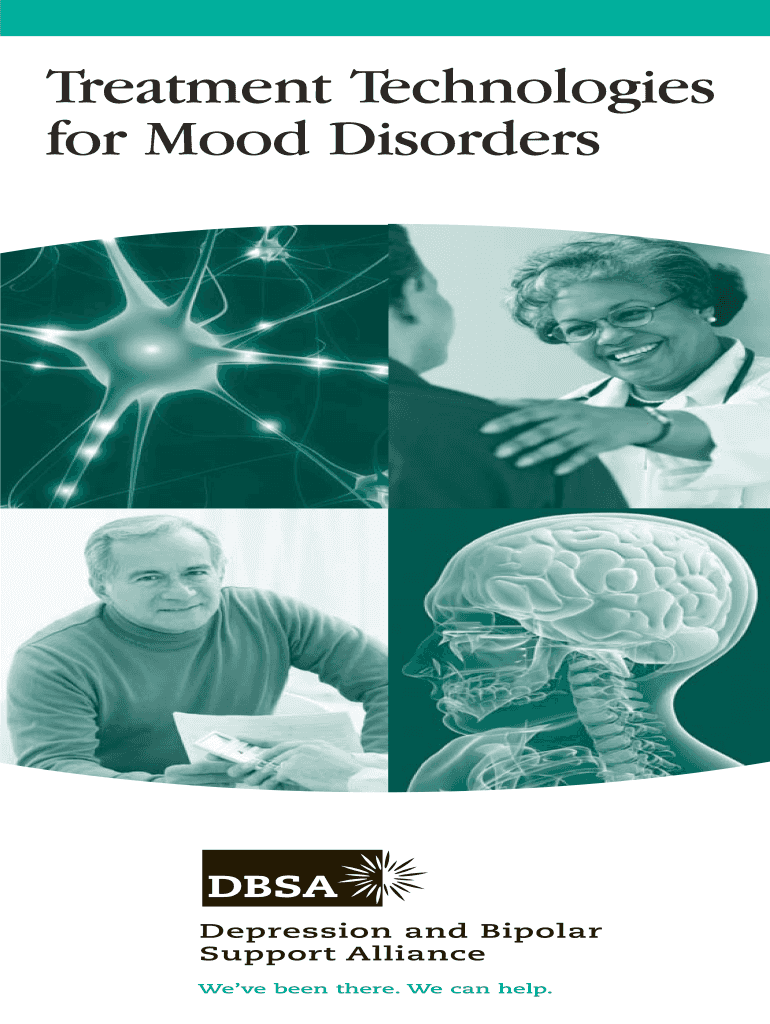
Dual Diagnosis and Recovery - Depression and Bipolar Support refers to an integration of treatment strategies that address co-occurring mental health conditions such as depression and bipolar disorder, often combined with substance use disorders. This approach is essential for individuals facing both psychiatric and addiction challenges, focusing on holistic recovery and stability.
Components of Dual Diagnosis
- Mental Health Disorders: Primarily focuses on mood disorders including depression and bipolar disorder.
- Substance Use Disorders: Often present alongside mental health issues, requiring concurrent treatment.
- Integrated Treatment Plans: Combines psychiatric care and addiction recovery strategies for comprehensive support.
Why Use Dual Diagnosis and Recovery - Depression and Bipolar Support
Adopting Dual Diagnosis and Recovery is crucial for effectively addressing the complex interplay between mental health disorders and substance use. This approach benefits individuals by providing a structured plan that caters to both conditions simultaneously, offering improved outcomes compared to treating these issues separately.
Benefits of Integrated Treatment
- Holistic Approach: Treats the individual as a whole, addressing both mental health and substance use.
- Reduced Relapse Rates: Comprehensive care leads to lowered chances of relapse.
- Improved Functioning: Helps in achieving better mental, physical, and social functioning.
Key Elements of Dual Diagnosis and Recovery
Understanding the components of Dual Diagnosis and Recovery can aid in effective application and management of the support system provided for individuals with depression and bipolar disorder.
Core Elements
- Therapeutic Interventions: Includes Cognitive Behavioral Therapy (CBT), Dialectical Behavior Therapy (DBT), and group therapies.
- Pharmacotherapy: Utilizes medications to manage mood disorders and support recovery processes.
- Peer Support: Involves group meetings and peer interactions aimed at mutual support.
Who Typically Uses Dual Diagnosis and Recovery
This form of support is particularly relevant for individuals simultaneously dealing with mental health issues and substance use disorders. Healthcare providers and support groups also frequently use this approach to ensure comprehensive and coordinated care.
Typical Users
- Individuals with Co-occurring Disorders: Those diagnosed with both a mood disorder and a substance use problem.
- Mental Health Professionals: Psychiatrists and therapists who implement these strategies into patient care.
- Addiction Recovery Specialists: Professionals focused on substance use recovery, integrating mental health therapeutic practices.
How to Obtain Dual Diagnosis and Recovery - Depression and Bipolar Support
Securing access to Dual Diagnosis and Recovery services involves engaging with healthcare providers that specialize in mental health and substance use disorders.
Steps to Access Services
- Consultation: Begin with a healthcare professional for an initial assessment.
- Referral: Often requires a referral to a specialized dual diagnosis treatment facility.
- Treatment Plan Development: Work with specialists to create a personalized treatment plan.
Important Terms Related to Dual Diagnosis and Recovery
Understanding specific terminology aids in navigating treatment options and effectively communicating with healthcare providers.
Common Terms
- Comorbidity: Co-occurrence of two disorders in the same individual.
- Integrated Treatment: Combining strategies for treating mental health and substance use.
- Therapeutic Alliance: The collaborative partnership between patient and therapist.
Steps to Complete the Dual Diagnosis and Recovery - Depression and Bipolar Support
Completing a program successfully involves multiple phases, ensuring all aspects of the patient’s needs are addressed.
Major Steps
- Intake Assessment: Evaluation of the individual's mental health and substance use history.
- Program Enrollment: Entry into a structured program tailored to dual diagnosis recovery.
- Continuous Monitoring and Adjustment: Regular reviews and modifications of the treatment plan to ensure its efficacy.
Legal Use of the Dual Diagnosis and Recovery
Understanding the legal aspects ensures that the treatment complies with established healthcare regulations and ethical standards within the United States.
Legal Considerations
- Confidentiality: Adherence to HIPAA regulations for patient privacy.
- Compliance: Ensuring treatment programs comply with federal and state laws governing mental health and addiction recovery services.
Examples of Using Dual Diagnosis and Recovery
Real-life scenarios illustrate how dual diagnosis support can be successfully applied to address both depression and bipolar disorder in conjunction with substance use issues.
Case Studies
- John’s Recovery Journey: A 35-year-old with bipolar disorder and alcohol addiction successfully managed both conditions through integrated therapies.
- Emily’s Treatment Plan: A teenager dealing with depression and cannabis dependence benefited from family therapy and medication management.