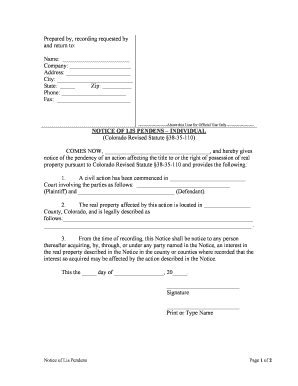







Definition and Meaning of the Keith Davis
The "Keith Davis" in the context of document management platforms such as DocHub could refer to a form or module designed to facilitate specific document-related tasks. Platforms like DocHub streamline processes that involve editing, signing, and managing documents, and the term "Keith Davis" might represent a specific feature or functionality that aids users in achieving efficient workflow management. Understanding the precise definition and utilization of "Keith Davis" can help users maximize the potential of document solutions like DocHub, thereby achieving seamless document interactions.
Key considerations include the platform's overall architecture and how "Keith Davis" fits within it, supporting functionalities such as editing, secure authentication, and cloud integration. Understanding the definition ensures users know precisely what function or feature they are interacting with, and the set of benefits it brings to document workflow management.
How to Use the Keith Davis
When utilizing the "Keith Davis" function within DocHub, begin by understanding its role in your immediate document workflow needs. If it pertains to a document type or procedure, identify what stage of the document lifecycle—editing, signing, or sharing—it addresses.
-
Login and Access: Ensure you are logged into the DocHub platform. Access the dashboard where the "Keith Davis" module is located.
-
Load Document: Whether you are editing, signing, or sharing, load your document via import from your system, cloud services, or start fresh on the platform.
-
Utilize Features: Engage the specific features associated with "Keith Davis" such as editing, signing, or collaborating with others. This might involve adding signatures, comments, or annotations depending on your needs.
Understanding these steps ensures effective execution without unnecessary delays, thereby optimizing document processing and management.
How to Obtain the Keith Davis
Acquiring access to the "Keith Davis" functionality within a platform like DocHub is straightforward if it's considered an integral feature of the software offering. However, understanding how to navigate and obtain it involves several key steps:
- Check Subscription Status: Confirm that your DocHub account status or subscription level includes access to advanced features like "Keith Davis."
- Platform Navigation: Ensure you are adept at navigating through the platform's user interfaces to locate and engage the module.
- Training and Support: Utilize platform training materials or support to understand its full functionality and benefits.
- Integration Availability: If "Keith Davis" involves integrations with other software, make sure these are set up correctly for seamless use.
By following these steps, users can strategically access and utilize the "Keith Davis" to meet their specific document management needs.
Key Elements of the Keith Davis
The "Keith Davis" module might encapsulate a variety of elements that users need to be aware of to capitalize on its capabilities. Understanding these elements is crucial:
- Editing Tools: Fundamental editing tools allowing for text and image insertions.
- Collaboration Features: Real-time collaboration and synchronization among multiple users.
- Security Protocols: Inclusion of encryption and authentication measures ensuring secure document handling.
- Form Fillability: Tools to convert documents into fillable forms, streamlining data collection.
- Integration Features: Compatibility and integration with cloud services and third-party applications for improved functionality.
Recognizing these elements facilitates comprehensive use, thereby enhancing productivity and workflow efficiency.
Legal Use of the Keith Davis
The legal utility of any document management function such as "Keith Davis" involves understanding relevant compliance and regulatory considerations. Especially within the U.S. context, key topics include:
- Compliance with ESIGN Act: Ensuring that electronic signatures or digital interactions adhered to legal standards.
- Security Standards: Adherence to data protection standards during the document lifecycle.
These legal aspects underscore the importance of adopting proper use and ensuring documentation complies with legal requirements which help safeguard against potential liabilities.
Software Compatibility with Keith Davis
Understanding how the "Keith Davis" functionality integrates with other software can expand its usability and value:
- Document Export: Ability to export documents back to cloud storage systems or other document management platforms.
- Application Support: Compatibility considerations with popular applications like TurboTax for financial document preparation.
- Mobile Accessibility: Ensuring the feature is fully functional on both desktop and mobile platforms for on-the-go management.
Such compatibility considerations might impact how efficiently one can manage workflows across different software systems, contributing significantly to operational efficiency.
Examples of Using the Keith Davis
Demonstrating practical applications of the "Keith Davis" function can highlight its benefits. Examples include:
- Contract Management: Utilizing its editing and signing features to manage contracts requiring multiple inputs and signatories.
- Team Collaboration: Engaging the collaboration tools to work with remote teams on policy documents or reports.
- Form Completion: Using fillable form options to create interactive forms for events or data collection requiring structured responses.
These varied usage scenarios illustrate the diverse functionalities possible with "Keith Davis," emphasizing its utility across distinct document management scenarios.
State-Specific Rules for the Keith Davis
Given that U.S. states have unique regulations concerning document processing, understanding how "Keith Davis" might be affected by such variability is crucial:
- Signature Regulations: Differences in digital signature recognitions or mandates between states.
- Document Requirements: Varying documentation or retention needs that might influence how the module functions.
State-specific considerations could impact how documents are processed, securely stored, or even legally recognized, thereby necessitating tailored approaches according to jurisdictional regulations.