






Definition and Meaning
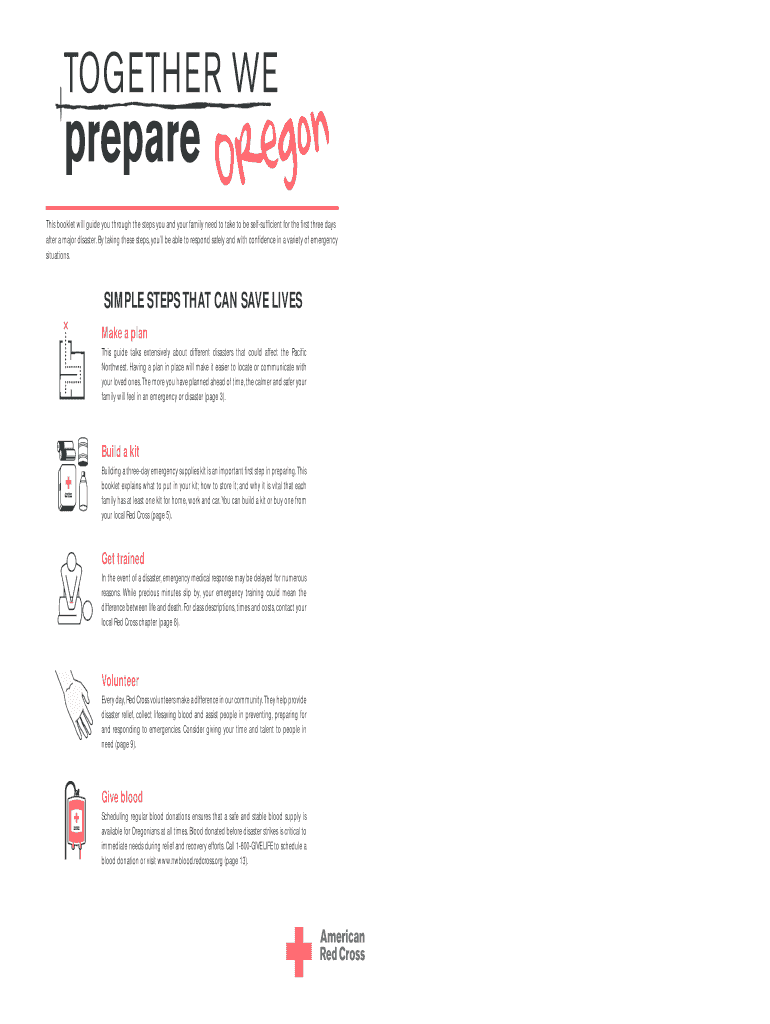
The booklet serves as a comprehensive guide to help families achieve self-sufficiency, especially in the context of emergency preparedness. It outlines actionable steps and strategies designed to enable individuals and their families to become self-reliant in the face of natural disasters, economic challenges, or other crisis situations. The content is curated to ensure families can sustain themselves independently by managing essential resources, safety protocols, and effective planning.
How to Use the Guide for Self-Sufficiency
The guide should be utilized as a roadmap for developing a family-oriented self-sufficiency plan. Begin by familiarizing yourself with the core sections that cover various aspects such as food storage, water supply, energy needs, and health preparedness. Follow the steps systematically:
- Identify your family's unique needs and circumstances.
- Gather resources and materials listed in the booklet.
- Create a customized action plan based on the guide's recommendations.
- Conduct regular reviews and updates of the plan to ensure its relevance and effectiveness.
Families should integrate this plan into their daily lives to enhance their overall preparedness and resilience.
Steps to Complete the Guide for Family Self-Sufficiency
To effectively complete and implement the steps in the booklet, follow these detailed procedures:
- Assessment of Current Resources: Take inventory of existing supplies including food, water, first aid kits, and energy sources.
- Skill Building: Engage in training sessions for critical skills such as first aid, CPR, and basic survival techniques.
- Create an Emergency Supplies Kit: Assemble a comprehensive kit with all necessary items for survival during emergencies.
- Establish a Communication Plan: Develop a strategy for maintaining contact within the family and with external support networks.
- Practice Drills: Conduct regular emergency drills to ensure all family members are familiar with the plan.
Who Typically Uses This Guide
Primarily, the guide is intended for families seeking to enhance their preparedness. It is especially beneficial for:
- Households in disaster-prone areas
- Families with dependents requiring special care
- Communities interested in fostering a culture of preparedness
- Organizations involved in community support and resilience-building efforts
The guidance is designed to be adaptable, making it suitable for diverse living situations and family dynamics.
Key Elements of Self-Sufficiency
Understanding the essential components outlined in the guide is crucial:
- Sustainable Food Supply: Techniques for growing, preserving, and storing food.
- Reliable Water Source: Systems for purifying and storing water.
- Energy Independence: Renewable energy solutions such as solar panels and wind turbines.
- Security Measures: Protocols for protecting property and family members.
- Health and Medical Preparedness: Stocking up on medical supplies and understanding basic health care practices.
These elements form the backbone of a self-sufficient lifestyle.
Important Terms Related to the Guide
Several terms are pivotal to understanding the guide:
- Preparedness: The state of being ready for potential emergencies.
- Sustainability: Meeting current needs without compromising future resources.
- Resilience: The ability to recover from disruptions.
- Self-Reliance: Dependence on one's own resources and capabilities.
Familiarity with these concepts empowers families to effectively utilize the guide.
Examples of Using the Guide Successfully
Families across the United States have successfully implemented the strategies from this booklet. For instance:
- A family in Florida used the guide to prepare for hurricane season, establishing a robust system for energy and food.
- In California, a group of neighbors collaborated to form a community preparedness plan, leveraging the guide's recommendations.
These scenarios underscore the practical applicability of the guide.
Legal Use and Compliance
Users of this guide should be aware of and comply with local and federal regulations related to emergency preparedness. This includes understanding the legal aspects of storing large quantities of resources and potential restrictions related to property modifications for self-sufficiency. Consulting with local authorities can ensure that any actions taken align with applicable laws and guidelines.