






Definition & Context of "My Red Cross Story: Nancy Young"
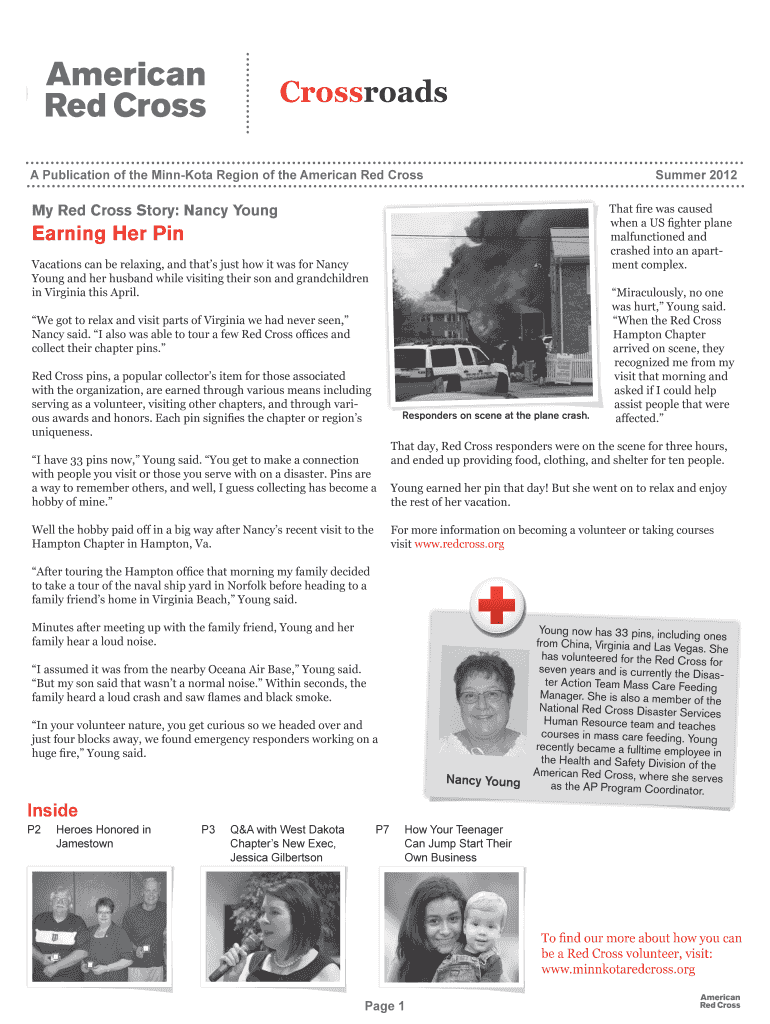
"My Red Cross Story: Nancy Young" is a personalized narrative relating to volunteer experiences with the American Red Cross. It typically involves sharing personal insights, contributions, and the impact of participation within the organization. Such stories often highlight individual achievements, community involvement, and inspirational accounts of aid and support provided during emergencies. This form is a key tool for documenting and sharing personal journeys and the significant roles individuals play within the Red Cross, inspiring others to become involved in volunteer work.
Key Components
- Personal Experiences: Captures individual stories and personal involvement with the Red Cross, reflecting the emotional and motivational aspects of volunteering.
- Community Engagement: Details contributions to local communities and highlights the collective efforts to support disaster response and preparedness.
- Inspirational Narratives: Showcases inspirational accounts and achievements that motivate others to participate in Red Cross activities.
How to Use "My Red Cross Story: Nancy Young"
To effectively utilize "My Red Cross Story: Nancy Young," individuals need to focus on narrating their personal journey with the Red Cross. This involves detailing specific experiences, highlighting contributions to the organization, and demonstrating the impact of their involvement.
- Begin with a Personal Introduction: Start with a brief introduction that includes your name and how you became involved with the Red Cross.
- Outline Specific Experiences: Document meaningful experiences, such as participation in disaster relief or community service projects.
- Highlight Achievements: Focus on personal achievements and milestones that stood out during your time with the organization.
- Reflect on Impact: Describe how your involvement has impacted your life and the lives of others, providing a broader perspective on volunteer work.
Steps to Complete "My Red Cross Story: Nancy Young"
Completing the "My Red Cross Story: Nancy Young" involves a structured approach to detailing and sharing your volunteer journey with the Red Cross.
- Gather Relevant Information:
- Compile the necessary details about your experiences, including dates, locations, and roles within various projects.
- Draft Your Story:
- Begin drafting your narrative, focusing on key experiences and the lessons learned from each engagement.
- Review for Clarity and Impact:
- Review your story for clarity, ensuring that it effectively communicates your experiences and their impact.
- Submit Your Story:
- Once finalized, submit the story following the guidelines provided by the Red Cross, whether online or through a designated submission process.
Importance of Sharing "My Red Cross Story: Nancy Young"
Sharing personal stories through "My Red Cross Story: Nancy Young" serves several important purposes. It not only commemorates personal achievements and contributions but also fosters a sense of community by encouraging others to contribute to humanitarian causes.
- Encourages Volunteerism: By showcasing personal experiences, others are inspired to join the Red Cross and make meaningful contributions.
- Builds Community Awareness: Highlights the diverse roles and impacts of volunteers within local communities.
- Promotes Organizational Values: Reinforces the mission and values of the Red Cross by demonstrating real-world examples of volunteer efforts.
Who Typically Uses "My Red Cross Story: Nancy Young"
Typically, "My Red Cross Story: Nancy Young" is used by Red Cross volunteers who wish to share their personal journeys and experiences within the organization. This can include a variety of individuals such as:
- Long-term Volunteers: Those who have dedicated significant time and have been involved in multiple projects.
- New Volunteers: Individuals who are early in their volunteer journey but have impactful stories to share.
- Community Leaders: Figures who have leveraged their positions to support and amplify Red Cross initiatives.
- Emergency Responders: Volunteers specifically involved in disaster response and relief efforts.
Important Terms Related to "My Red Cross Story: Nancy Young"
Understanding key terms can help enhance the narrative for "My Red Cross Story: Nancy Young."
- Disaster Response: Activities focused on providing emergency relief and support during natural or man-made disasters.
- Volunteerism: The practice of offering time and services without monetary gain for community benefit.
- Community Engagement: The involvement and contribution of volunteers to support and improve their local communities.
Legal and Ethical Use of "My Red Cross Story: Nancy Young"
When sharing personal stories, it is important to adhere to legal and ethical guidelines to ensure respectful and accurate representation.
- Confidentiality: Maintain the privacy of individuals mentioned within the story, especially in sensitive scenarios.
- Accuracy: Ensure all shared experiences are truthful and reflect the actual events and contributions made.
- Respect and Dignity: Present all information respectfully, acknowledging the contributions and circumstances of all parties involved.
Key Elements of Volunteering Narratives in "My Red Cross Story: Nancy Young"
When crafting a narrative, it is essential to focus on several key elements to enhance the story's impact.
- Emotional Engagement: Incorporate emotional and motivational elements that resonate with readers and potential volunteers.
- Authenticity: Authentic stories that accurately reflect personal experiences, providing genuine insights into life as a volunteer.
- Diversity of Experience: Highlight the diversity of experiences and roles within the Red Cross, demonstrating the organization's wide-reaching impact.
State-Specific Considerations for "My Red Cross Story: Nancy Young"
While the structure of "My Red Cross Story: Nancy Young" remains consistent, state-specific considerations may affect storytelling.
- Local Initiatives: Highlight state-specific Red Cross initiatives or unique community challenges and responses.
- State Regulations: Ensure compliance with any local regulations or cultural considerations that might influence the narrative.
Understanding these state-specific nuances can provide richer, more localized narratives that resonate within different communities across the U.S.