






Meaning and Purpose of the 50 Best
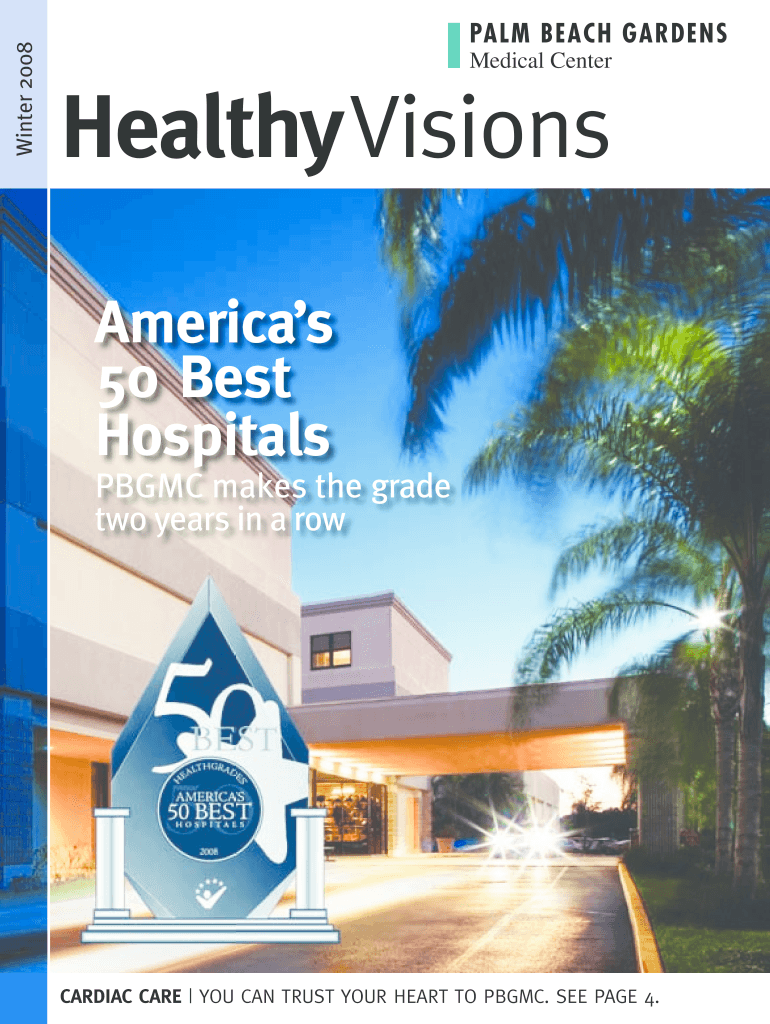
The term "50 Best" can refer to numerous lists or rankings across various domains, such as healthcare, education, or entertainment. For example, in the context of healthcare, "50 Best" often signifies a list of top-ranked hospitals known for exceptional patient care and clinical outcomes. These rankings are typically awarded by reputable organizations like HealthGrades and are based on comprehensive analyses of various performance metrics. Being named in the "50 Best" often indicates a high level of service and expertise in the relevant field, underlining the organization's commitment to quality and excellence.
How to Utilize the 50 Best
Understanding how to best utilize the "50 Best" list can be essential for making informed decisions, whether you're a consumer or industry professional. Typically, these lists provide a structured approach to evaluating top-performing entities in a specific category. For individuals choosing a hospital, the "50 Best" list can guide decisions by showcasing facilities renowned for superior medical service. Professionals within industries listed can use the rankings as benchmarks for measuring their progress and identifying areas for improvement.
Process for Creating the 50 Best
Creating a "50 Best" list involves meticulous research and data collection, followed by a thorough analysis to rank entities based on predefined criteria. For example, in the healthcare sector, rankings might evaluate hospitals based on patient outcomes, procedural quality, and technological advancements. A combination of quantitative data, such as treatment success rates, and qualitative data, like patient satisfaction surveys, is typically used. Understanding this process can offer insights into the credibility and reliability of the rankings.
Criteria and Metrics Used
- Quality of Service: Evaluation of service effectiveness and patient care.
- Innovations: Incorporating the latest technologies and treatment methodologies.
- Patient Satisfaction: Feedback from patients regarding their experiences.
Steps to Access the 50 Best Listings
Accessing the "50 Best" lists is generally straightforward. Most rankings are publicly available through organization websites or published reports. Here, one can often find detailed reports and data supporting the rankings. For digital access, follow these general steps:
- Identify the domain or category of interest.
- Visit the official website of the publishing organization.
- Search for the latest "50 Best" listings.
- Download or view the list online for further information.
Typical Users of the 50 Best Lists
The audience for "50 Best" lists can vary widely depending on the domain. For instance:
- Consumers looking to make informed decisions, such as selecting a healthcare provider.
- Industry Experts who use the rankings as a benchmark for their practices.
- Investors and business analysts seeking insights into top-performing sectors.
Important Terms Related to the 50 Best
Understanding specific terminology associated with the "50 Best" rankings can enhance comprehension and utilization of these lists. Key terms include:
- Metrics: Quantitative data points used to evaluate performance.
- Benchmarking: Comparing one's performance against best-in-class standards.
- Ranking Organization: The entity responsible for compiling the list.
Legal Implications of Utilizing the 50 Best Lists
Using "50 Best" lists can also entail understanding legal aspects, especially if these lists influence business decisions. For instance, organizations might use their ranking in marketing materials. Therefore, ensuring that claims made about a position on a list are accurate and not misleading is crucial. There could be legal considerations regarding how rankings are interpreted and conveyed in promotional content.
Examples of Applying the 50 Best Lists
Practical examples of using "50 Best" rankings include:
- Healthcare Selection: Patients choosing a hospital from the top 50 known for high success rates in specific treatments.
- Educational Institutions: Students selecting schools recognized for academic excellence in particular fields.
- Business Analysis: Companies analyzed for strategic partnerships or investments based on their ranking.
Key Elements to Consider in the 50 Best Lists
When consulting a "50 Best" list, several essential elements should be considered:
- Source Authenticity: Determine the credibility of the organization releasing the list.
- Evaluation Parameters: Understand what factors have been evaluated to form the rankings.
- Latest Updates: Ensure the list is current, as performance indicators can change over time.
Employing a structured approach to digesting and applying these rankings can empower users to make evidence-based decisions crucial for success in various sectors.