






Definition & Meaning
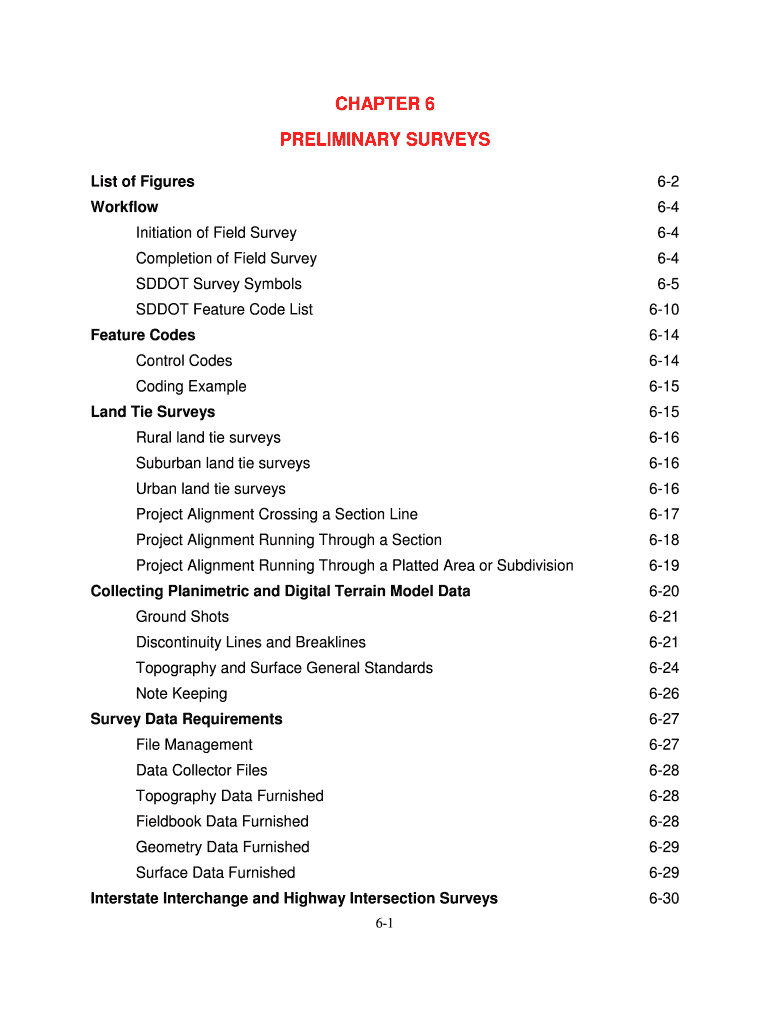
The "Examples of Survey Ties - North Carolina Board of Examiners for" form refers to a set of standardized examples and guidelines used in the field of land surveying. These examples are provided by the North Carolina Board of Examiners to ensure land surveyors within the state adhere to uniform practices. Survey ties refer to specific markers or reference points used in surveying to connect various survey line points, ensuring accuracy and consistency across surveys conducted in North Carolina.
How to Use the Examples of Survey Ties - North Carolina Board of Examiners for
This form is utilized by licensed professional land surveyors operating in North Carolina as a reference guide. It provides detailed illustrations and descriptions of survey ties that surveyors must use during their field operations. The examples aid in interpreting survey results and foster consistent methodologies across different projects. The form plays a crucial role in training new surveyors and in maintaining the accuracy and legal compliance of survey data.
Steps to Complete the Examples of Survey Ties - North Carolina Board of Examiners for
-
Familiarize with the Guidelines: Read through the examples provided to understand the prescribed methodologies and applications of survey ties.
-
Field Application: Implement the guidelines during fieldwork, applying each example to relevant survey points as needed.
-
Document Application: Accurately record the application of each survey tie example in survey documentation and reports.
-
Review and Verification: Check the fieldwork and documentation against the form to ensure compliance with state standards.
Key Elements of the Examples of Survey Ties - North Carolina Board of Examiners for
- Reference Points: Detailed descriptions of reference points used in surveys.
- Illustrations: Visual representations of how survey ties should be deployed in various scenarios.
- Usage Scenarios: Specific examples illustrating correct application in residential, commercial, and public land surveys.
- Compliance Guidelines: Instructions on maintaining compliance with state-specific regulations.
State-Specific Rules for the Examples of Survey Ties - North Carolina Board of Examiners for
North Carolina has its own set of regulations governing how survey ties should be utilized. These include adhering to specific standards set forth by the Board of Examiners, which might differ from general national standards. Surveyors are required to follow these to ensure data integrity and legal compliance within the state.
Importance of Using the Examples of Survey Ties - North Carolina Board of Examiners for
Using these standardized examples is critical as it ensures uniformity in surveying practices across the state. It enhances the reliability of survey data, reduces errors, and ensures that surveying practices comply with the legal framework established by the North Carolina Board of Examiners. This is essential for project approvals and reducing disputes related to land measurements.
Legal Use of the Examples of Survey Ties - North Carolina Board of Examiners for
These examples must be used legally in any official land survey within North Carolina. Surveyors must document their adherence to these guidelines to satisfy legal requirements in delivering accurate and defensible survey results. Non-compliance can result in penalties or revocation of licensure.
Who Typically Uses the Examples of Survey Ties - North Carolina Board of Examiners for
- Licensed Land Surveyors: To ensure their surveys adhere to the standards set by the North Carolina Board.
- Civil Engineers: For planning and designing projects that require precise land measurements.
- Legal Professionals: Involved in resolving land disputes or dealing with property boundaries.
- Government Officials: To oversee public land projects and validate the survey data provided by contractors.


Form Variants
The form, as standardized by the North Carolina Board, may have historical versions or updates to accommodate new regulations or methodologies. Surveyors should ensure they are using the most current version to comply with the latest standards and incorporate the most recent amendments made by the Board.