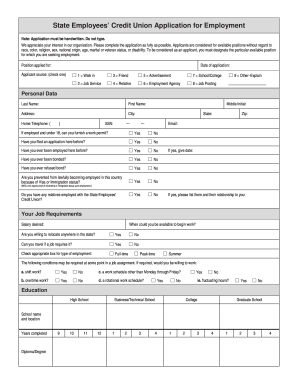
Definition and Meaning of SOS 1507
The "SOS 1507" is a form issued by the Ohio Secretary of State, primarily dealing with legal and official documents. Its purpose is to ensure proper formatting, grammar, and style are maintained in official communications and publications, aligning with set standards for clarity and consistency. It supports a range of documents, including but not limited to business filings, public notices, and election-related materials.
Steps to Complete the SOS 1507
To accurately complete the SOS 1507 form, follow these key steps:
-
Gather Required Information: Collect all necessary information outlined in the guidelines provided by the Ohio Secretary of State, including names, dates, and document types.
-
Adhere to Formatting Standards: Ensure that all submissions follow the specified grammar and style rules to maintain uniformity. This includes proper use of capitalization, punctuation, and standardized phrases.
-
Review for Compliance: Double-check that all parts of the document meet legal requirements and observe any specific instructions relevant to the form type, such as election materials.
-
Submit the Form: Choose your preferred submission method from online, mail, or in-person options, ensuring it is directed to the appropriate department within the Secretary of State's office.
Key Elements of the SOS 1507
Key components within the SOS 1507 form include:
- Document Title and Type: Clearly specify the nature and purpose of the document being submitted.
- Originator Information: Detailed identification of the party preparing the document.
- Legal Compliance Sections: Sections ensuring adherence to state laws and regulations, especially for public-facing documents.
- Certification of Accuracy: A declaration affirming the truthfulness and correctness of the information provided.
Who Typically Uses the SOS 1507
The SOS 1507 is commonly utilized by:
- State Agencies: For regulatory notices and internal communications.
- Business Entities: Including LLCs, corporations, and partnerships for legal filings.
- Election Officials: To ensure clarity and compliance in election-related materials.


Legal Use of the SOS 1507
Using the SOS 1507 form legally entails ensuring all documents are truthful and comply with Ohio state regulations. This involves adhering to the prescribed grammar and style rules, which are critical for public documents. Non-compliance can lead to legal penalties or rejection of the document submission.
Form Submission Methods (Online, Mail, In-Person)
Submit the SOS 1507 through one of the following methods:
- Online Submission: Convenient for quick submissions, this option facilitates easy tracking and management of records through a digital platform.
- Mail: Ideal for those who prefer physical documentation, ensuring that all copies are sent to the Secretary of State’s office with appropriate postage.
- In-Person: Recommended for urgent submissions that require immediate attention or confirmation of receipt.
State-Specific Rules for the SOS 1507
Ohio-specific guidelines dictate the usage of the SOS 1507 for all official state documents. Compliance involves adhering to state-level criteria for document presentation, such as mandated terminology and procedural instructions specific to Ohio’s legal framework.
Important Terms Related to SOS 1507
Understanding vocabulary related to the SOS 1507 is crucial:
- Certification: A formal attestation of accuracy and truthfulness.
- Regulatory Compliance: Meeting state laws and guidelines.
- Standardized Terminology: Use of specific phrases and terms to ensure uniformity across state documents.
Examples of Using the SOS 1507
Real-world applications of the SOS 1507 include:
- Election Bulletins: Instructions and notices related to electoral processes.
- Public Notices: Legal information provided to the public via state channels.
- Business Filings: Documentation required for the establishment or alteration of business entities in Ohio.
By providing a comprehensive understanding of the SOS 1507 form, individuals and entities can ensure accurate and compliant document submissions within Ohio’s legal framework. This structured approach facilitates efficient document management and upholds the integrity of official communications.