






Definition & Meaning
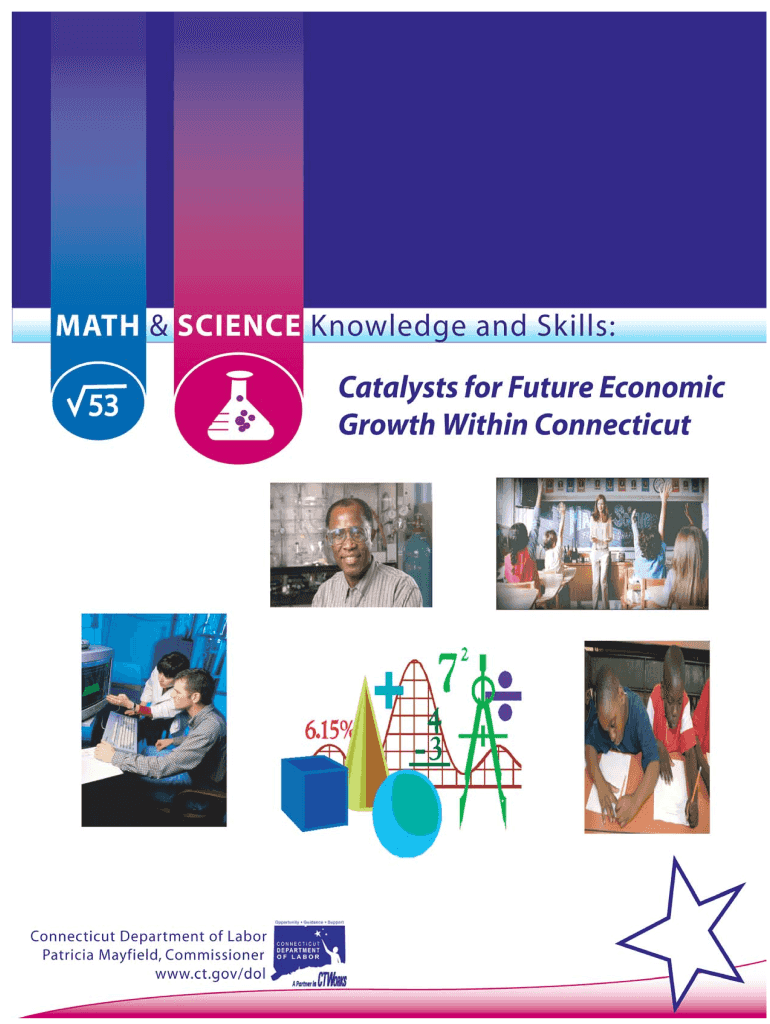
The phrase "This report was prepared by Brandon T" typically indicates authorship and responsibility for a specific document. It implies that Brandon T is the individual who compiled, analyzed, or aggregated the information contained within the report. Such a statement often appears in various types of reports, including those prepared for organizational, educational, or governmental purposes. The presence of an authorial declaration can help provide accountability and credibility, signaling to the reader that a particular individual or team has verified or endorsed the information. In some contexts, it may also suggest that the report was tailored according to Brandon T's expertise or perspective, which could be relevant in specialized fields like economics, education, or public policy.
Key Elements of the Report by Brandon T
Understanding the components of a report prepared by Brandon T requires looking at its structural elements and the content it covers. Key elements typically include:
- Abstract or Executive Summary: Concise overview outlining the report’s purpose, methodology, and key findings.
- Introduction: Context and background information about the subject matter, setting the stage for subsequent content.
- Methodology: Explanation of the approaches, methods, or techniques employed in the report's preparation.
- Findings/Analysis: Detailed discussion of facts, data, or insights uncovered during the research or investigation.
- Conclusion/Recommendations: Summarized conclusions drawn from the findings, along with potential actions or recommendations.
- References/Bibliography: Citing sources and materials consulted or referenced in compiling the report.
- Appendices: Supplementary materials, such as charts, graphs, or extended data sets that support the main content.
Steps to Complete the Report by Brandon T
Completing a report, especially a comprehensive one like that prepared by Brandon T, involves several critical steps:
- Identify Objectives: Clearly define what the report is intended to achieve. This includes understanding the audience and purpose.
- Gather Information: Collection of data, resources, and materials relevant to the report's focus.
- Analyze Data: Evaluate and interpret the collected data, identifying key patterns or insights.
- Organize Structure: Develop a clear framework for the report, ensuring logical flow and coherence.
- Draft Content: Write the report sections, ensuring clarity, conciseness, and accuracy.
- Revise and Edit: Review the draft for consistency, language, and factual accuracy, making revisions as needed.
- Finalize and Approve: Complete the final version and seek any necessary approval before dissemination.
Software Compatibility
The creation and management of reports like “This report was prepared by Brandon T” can be facilitated using various software tools:
- Microsoft Word or Google Docs: Common platforms for drafting and editing textual content.
- Spreadsheet Software: Tools like Microsoft Excel or Google Sheets for organizing and analyzing data.
- DocHub and PDF Editors: For achieving compatibility with PDF documents and facilitating editing, signing, and sharing.
- Collaboration Tools: Platforms such as Slack, Trello, or Microsoft Teams to coordinate work and feedback among team members.
Legal Use of the Report
The report "This report was prepared by Brandon T" must adhere to legal guidelines and ethical standards:
- Intellectual Property: Ensuring proper citation of sourced materials and protection of proprietary content.
- Confidentiality: Maintaining the privacy of sensitive information as stipulated by policy or law.
- Authorized Dissemination: Sharing the report only with designated or authorized parties, particularly when it contains sensitive or proprietary information.
State-Specific Rules
If the report prepared by Brandon T touches on legal, regulatory, or industry-specific matters, state regulations may apply:
- Business or Financial Regulations: Compliance varies by state and may affect analysis or recommendations within the report.
- Education Standards: Different states might have varying educational guidelines affecting reports in that sector.
- Labor Laws: Reporting on employment or workforce issues must consider distinct state legislation.
Examples of Using the Report
Practical scenarios demonstrate the utility of Brandon T’s report:
- Educational Institutions: A report by Brandon T analyzing educational trends could aid schools in curriculum planning.
- Government Agencies: Government bodies might use the report for developing strategies in public policy.
- Businesses: Companies could employ findings from the report to guide strategic planning and operational decisions.
Versions or Alternatives to the Report
Alternative reports or versions might arise depending on intended use or audience:
- Simplified Reports: Condensed versions for general readership without technical jargon.
- Detailed Analyses: Extended versions with comprehensive data for stakeholders needing in-depth insight.
- Thematic Reports: Focused reports that cover specific aspects or sections tailored for niche needs or audiences.
These sections aim to provide a thorough understanding of the report prepared by Brandon T, ensuring clarity of purpose, process, and utility.