






Definition and Purpose of the California Public School Construction Process
The California Public School Construction Process is a structured procedure set by the State of California to manage and oversee the development and renovation of public school facilities. This process is vital for ensuring that educational infrastructure projects meet regulatory standards and provide safe, conducive environments for learning. The process involves multiple stages, including planning, approval, construction, and inspection, each governed by specific guidelines to ensure compliance with state educational and construction mandates.
How to Use the California Public School Construction Process
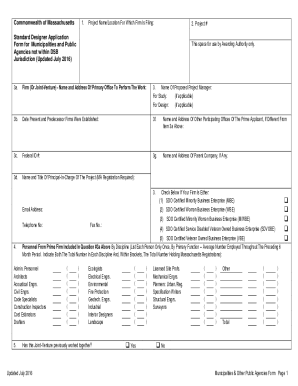
To effectively navigate the construction process, stakeholders such as school administrators, contractors, and project managers must collaborate closely with state agencies, including the Division of the State Architect (DSA). This involves submitting detailed project plans for review, obtaining necessary approvals, and coordinating with various agencies to address concerns related to environmental impact, accessibility, and safety standards. Utilizing a step-by-step approach, stakeholders can streamline the construction process, minimize delays, and ensure adherence to state regulations.
Obtaining the California Public School Construction Process Documents
Documents related to the California Public School Construction Process are obtainable through the Department of General Services (DGS) and the California Department of Education (CDE). Interested parties can access these documents by visiting the official websites of these agencies or contacting them directly. Additionally, understanding these documents is crucial for stakeholders to align their project proposals with state requirements and optimize the approval process.
Steps to Complete the California Public School Construction Process
- Initial Planning and Design: Collaborate with educators and planners to outline project goals and design specifications.
- Submission of Plans: Prepare and submit detailed architectural and engineering plans to the DSA for review.
- Approval and Permitting: Obtain necessary permits by aligning project plans with state codes and regulations.
- Construction: Execute the construction phase, ensuring compliance with approved plans and regulatory standards.
- Inspections and Final Approval: Facilitate state inspections throughout construction to receive final occupancy approval.
- Project Close-Out: Complete any remaining administrative requirements and document all aspects of the project for future reference.
Key Elements of the California Public School Construction Process
- Regulatory Compliance: Adherence to the California Building Standards Code and other relevant regulations for school facilities.
- Collaboration and Communication: Ongoing engagement between local agencies, school districts, architects, and contractors.
- Project Tracking and Management: Implementation of systems to monitor project progress and address any arising issues efficiently.
- Budgeting and Funding: Accurate estimation of costs and securing of adequate funding to cover all phases of the construction process.
State-Specific Rules for the California Public School Construction Process
California has specific rules tailored to the geographical and environmental considerations unique to the state. These include mandates for earthquake-resistant designs, eco-friendly building practices, and specific accessibility standards to accommodate diverse student populations. State rules are continuously updated; thus, it is crucial for stakeholders to stay informed about any legislative changes affecting the construction process.
Legal Use and Compliance of the California Public School Construction Process
Legal compliance within the California Public School Construction Process involves meeting all statutory requirements, including obtaining necessary permits and inspections. Failure to comply can result in project delays or legal consequences. Therefore, keeping detailed records and documentation throughout the process is essential to demonstrate compliance and safeguard against potential litigations.
Who Typically Uses the California Public School Construction Process Documents
These documents are primarily used by local educational agencies, school district officials, architects, and construction managers. They serve as a guideline for ensuring projects are executed according to state regulations and help in setting clear expectations and deliverables throughout the construction phase.


Practical Examples and Case Studies
A real-world example includes collaboration between a school district in California and the DSA to modernize an existing elementary school. The project involved upgrading facilities to meet the latest technological standards and improve energy efficiency, illustrating how the construction process accommodates evolving educational needs while adhering to state laws. Another case study could explore how different stakeholders facilitated seamless coordination to expedite construction timelines without compromising regulatory requirements.
Balancing project goals with compliance needs calls for a methodical and informed approach, supported by an understanding of the critical role each stakeholder plays in bringing a public school construction project to fruition.