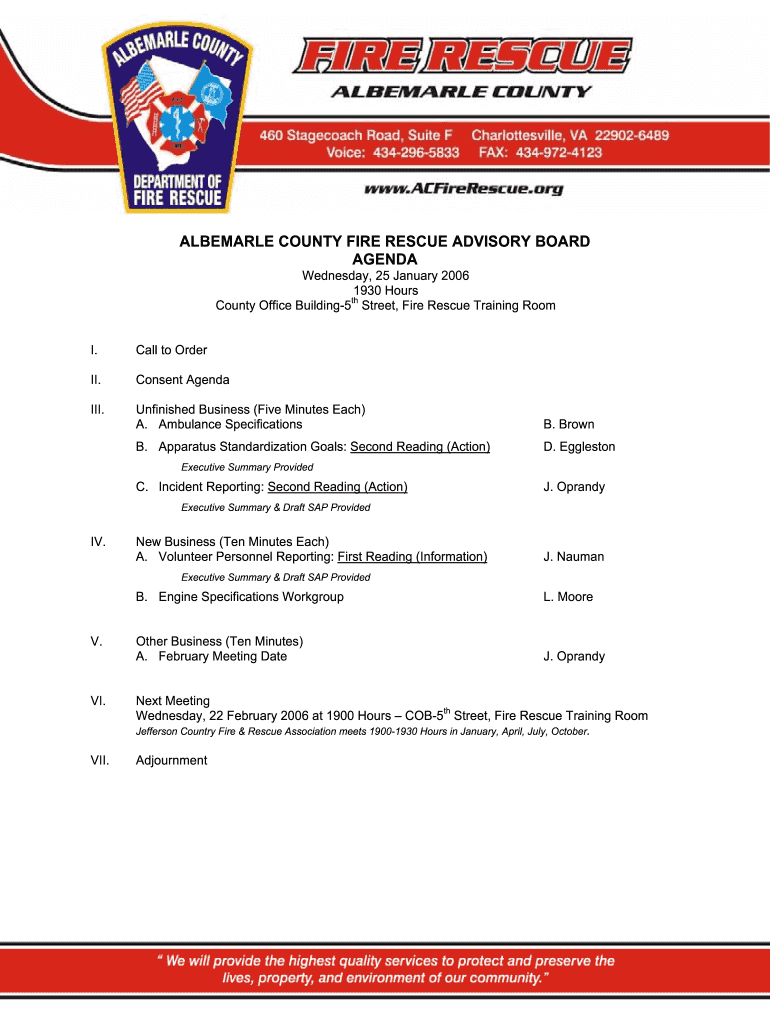







Definition and Purpose of Ambulance Specifications - Albemarle
The "Ambulance Specifications - Albemarle" document defines the standard technical requirements and operational guidelines for ambulances used within Albemarle County. This specification aims to ensure that all emergency vehicles adhere to a consistent set of standards, enhancing the safety and efficiency of emergency healthcare delivery. The document outlines the necessary features an ambulance must possess to be deemed compliant, including mechanical, safety, and medical equipment standards. These specifications serve as a benchmark for procurement and maintenance, ensuring that ambulances meet the needs of first responders and patients effectively.
Key Elements of Ambulance Specifications
Several core elements form the foundation of the ambulance specifications in Albemarle County:
- Mechanical Requirements: Includes engine type, chassis specifications, and suspension system details necessary for a smooth and reliable operation under emergency conditions.
- Safety Features: Specifies mandatory safety equipment such as airbags, anti-lock braking systems (ABS), and traction control to protect both patients and crew.
- Medical Equipment Standards: Lists required medical devices and supplies, including stretchers, defibrillators, and oxygen delivery systems, needed for effective pre-hospital care.
- Communication Systems: Specifies the type of communication devices that should be installed, such as radios and GPS systems, to facilitate coordination with hospitals and first responders.
How to Use the Ambulance Specifications
Users of the "Ambulance Specifications - Albemarle" document can follow a systematic approach to implement these standards:
- Review the Specification Document: Begin by thoroughly reading through each section to understand the requirements fully.
- Assessment of Current Fleet: Evaluate existing ambulances to determine compliance with current specifications.
- Procurement Planning: Use the document as a guide during the procurement process to ensure that new vehicles meet all technical criteria.
- Onboard Training: Train ambulance crews on any new features or equipment specified to maximize their operational effectiveness.
- Regular Audits: Conduct routine checks to ensure continued adherence to the specifications, adjusting protocols as needed.
Steps to Complete the Ambulance Specifications Document
Completing and implementing the "Ambulance Specifications - Albemarle" involves a series of structured steps:
- Initial Review and Approval: Obtain approval from relevant authorities such as the County Fire Rescue Department.
- Vendor and Supplier Engagement: Liaise with manufacturers and suppliers to ensure that vehicle offerings match the specified requirements.
- Final Testing: Conduct comprehensive testing to ensure vehicles meet all specified criteria before deployment.
- Continuous Review Process: Establish a feedback loop for updating the specifications to accommodate new technologies or regulatory changes.
Why Adhere to Ambulance Specifications
Adhering to the "Ambulance Specifications - Albemarle" ensures that:
- Operational Consistency: Maintains uniformity in ambulance capabilities across the county, which can significantly improve response and coordination efforts in emergencies.
- Safety and Reliability: Guarantees that all ambulances are equipped with up-to-date safety features and medical equipment.
- Compliance with Regulations: Ensures adherence to state and federal laws governing emergency vehicle operations, minimizing legal liabilities.
Who Typically Uses the Ambulance Specifications
Various stakeholders utilize the "Ambulance Specifications - Albemarle," including:
- Emergency Services Departments: Utilize the specifications to guide procurement and operational decisions.
- Ambulance Manufacturers and Suppliers: Reference the document to align product offerings with local requirements.
- Regulatory Agencies: Monitor compliance and make recommendations for updates to the specifications.


Legal Use and Compliance
Ambulance specifications must comply with local, state, and federal regulations concerning emergency vehicle operations. These legal standards ensure that vehicles are safe, reliable, and adequately equipped to handle diverse emergency scenarios. The "Ambulance Specifications - Albemarle" aligns with federal guidelines, such as those from the National Highway Traffic Safety Administration (NHTSA), ensuring comprehensive legal compliance.
Examples of Using the Specifications
Practical examples of using the "Ambulance Specifications - Albemarle" include:
- Procurement Processes: Ambulance services use these specifications as a checklist when acquiring new vehicles to guarantee they meet the county’s standards.
- Training Modules for Operators: Incorporate specification requirements into training programs to familiarize ambulance personnel with the expected standards.
- Quality Control Measures: During vehicle inspections, personnel can compare existing equipment and mechanical features against the specified standards to ensure continual adherence.