






Definition and Purpose of Education Options for Students with Disabilities in Tennessee
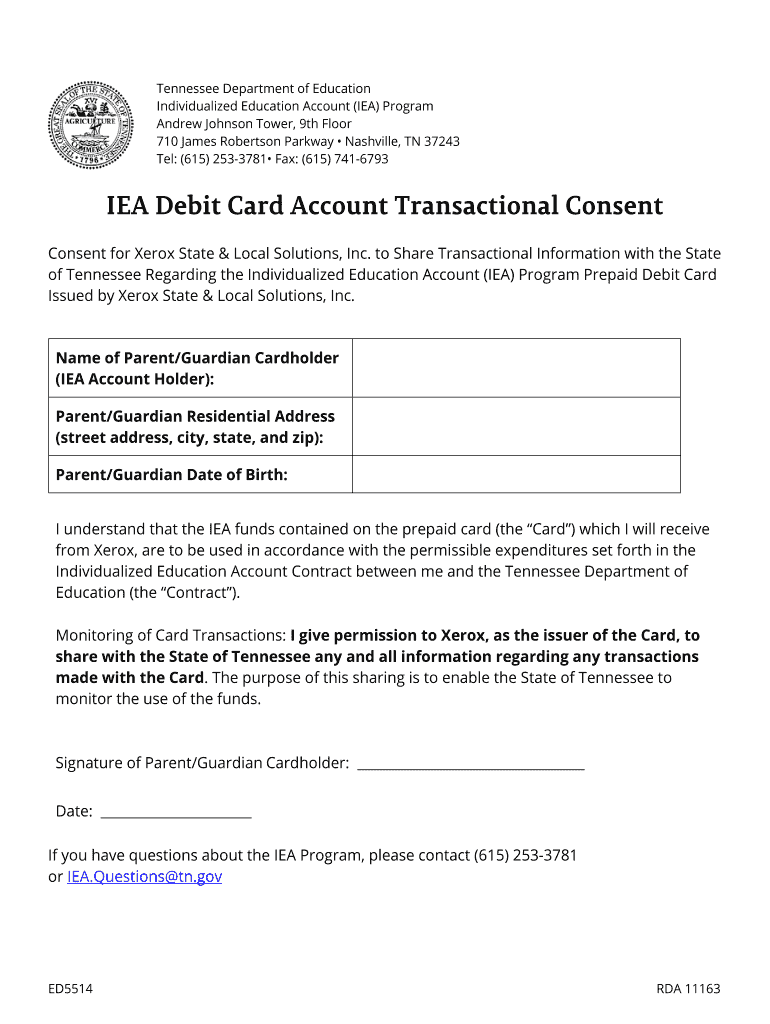
This form serves as a comprehensive guide for families and educators to navigate the various educational opportunities available to students with disabilities in Tennessee. The form details options such as public school programs, private schooling alternatives, home schooling, and state-funded programs like the Individualized Education Account (IEA). Designed to help parents choose the best educational setting for their child's unique needs, this form also outlines the benefits and eligibility criteria for each option.
How to Use the Education Options Form
The form is intended to be a practical resource for parents, guardians, and educators in making informed decisions about a student's education. Begin by reviewing the eligibility criteria to determine which programs are available to your child. Next, research the requirements, application processes, and deadlines for each option. Utilize the sections on state-specific guidelines to understand any additional obligations or benefits provided for schooling in Tennessee.
Step-by-Step Instructions
- Review eligibility criteria for each program.
- Research application processes and required documentation.
- Note deadlines and set reminders for important dates.
- Consult state-specific guidelines to ensure compliance.
- Complete the necessary applications thoroughly.
- Submit applications and required documents in a timely manner.
How to Obtain the Education Options Form
Parents and educators can obtain this form from the Tennessee Department of Education's website. It is also available through local school districts and public libraries. Some advocacy groups that support students with disabilities may provide copies as part of their resources for families seeking educational support.
Sources for Access
- Tennessee Department of Education website
- Local school district offices
- Public libraries
- Advocacy groups specializing in educational resources for disabilities
Steps to Complete the Form
Completing the Education Options form requires attention to detail and an understanding of the unique needs of your student. Begin by gathering all required documentation, including school records and any assessments or evaluations related to the student’s disability. Follow the guidelines provided for each educational program, ensuring all sections of the form are filled out accurately and comprehensively.
Detailed Steps
- Gather necessary documentation, including academic records and evaluations.
- Carefully read through the instructions for each educational program.
- Complete each section of the form, ensuring all information is accurate.
- Review the form for completeness before submission.
- Submit the form using the designated method for each program.
Importance of the Education Options Form
This form is crucial in ensuring that students with disabilities receive the support and resources they need to succeed academically. By clearly outlining available options, the form empowers parents and guardians to make informed decisions and advocates for the educational rights of their children. It serves as a roadmap for accessing appropriate programs and services, thereby enhancing the educational experience for students with disabilities.
Benefits
- Provides clarity on available educational programs.
- Assists in meeting state and federal education guidelines.
- Promotes informed decision-making for families.
- Enhances support for students' diverse educational needs.
Who Typically Uses This Form
Parents, guardians, and educators of students with disabilities are the primary users of this form. The form is also used by administrators and advocates who assist families in navigating the educational system in Tennessee. These individuals use the form to ensure all requirements are met for enrollment and participation in various educational programs.
Common Users
- Parents and guardians of students with disabilities
- Educators and school administrators
- Advocacy organization representatives
- Special education coordinators


Key Elements of the Education Options Form
The form includes several critical components designed to facilitate a comprehensive evaluation of educational options. Key elements include eligibility criteria, required documentation lists, detailed descriptions of each educational program, and application instructions. Understanding each component is essential for accurately completing the form and ensuring that all necessary steps are taken.
Important Components
- Eligibility criteria for each program
- Lists of required documentation
- Detailed program descriptions
- Comprehensive application instructions
State-Specific Rules for Using the Form
In Tennessee, specific rules govern the use of educational options for students with disabilities. These include adherence to the IEA Contract guidelines and compliance with state educational standards. Understanding and following these rules is crucial for securing the appropriate educational services and support for students.
Tennessee-Specific Guidelines
- Compliance with IEA Contract guidelines
- Adherence to state educational standards
- Recognition of state-specific deadlines and applications
- Awareness of additional state-funded support programs