






Understanding "Abstract: 1028 - ftp etl noaa"
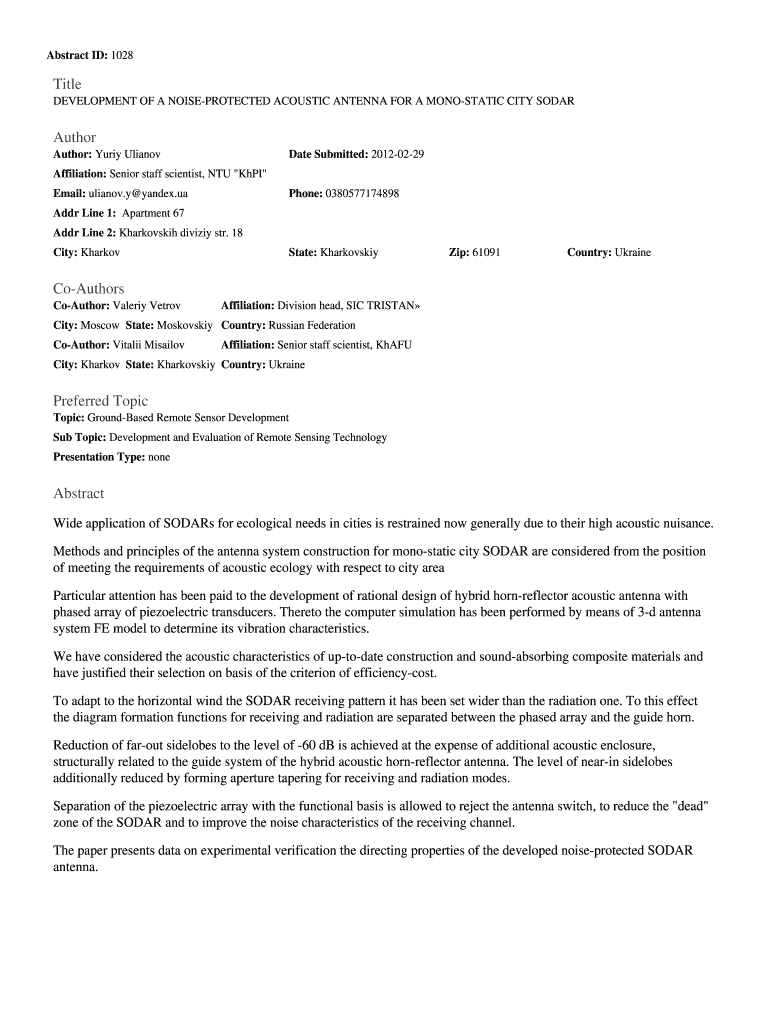
The "Abstract: 1028 - ftp etl noaa" most likely refers to a technical or scientific abstract related to data processing involving an FTP ETL (Extract, Transform, Load) process with the National Oceanic and Atmospheric Administration (NOAA). This might involve the systematic extraction and handling of environmental data for analysis or distribution purposes.
Purpose of the "Abstract: 1028 - ftp etl noaa"
This abstract likely details the methodology, data acquisition, and processing techniques applied to NOAA's FTP data. It serves as an overview for researchers or stakeholders interested in understanding how specific environmental datasets are managed.
- Environmental Data Management: Explains the motivation behind using FTP and ETL processes to streamline the handling and utilization of environmental data.
- Research Applications: Highlights the use of this abstract in scientific studies, policy making, and programming where accurate data flow is essential.
Key Elements of the Abstract
Understanding the core components of "Abstract: 1028 - ftp etl noaa" is essential for utilizing it effectively.
- Data Extraction Techniques: Describes methods and technologies used to pull data from NOAA’s FTP servers.
- Transformation Processes: Details how raw data is processed or formatted for analysis or application.
- Loading and Storage: Explains how transformed data is stored, whether on local servers or cloud services, for easy access and future use.
- Quality Assurance: Discusses measures taken to ensure data integrity and accuracy.
How to Obtain the Abstract
There are several ways to access the Abstract depending on its public availability and intended audience.
- NOAA Publications: It may be available on NOAA’s official website or databases where they post open-access research and technical documents.
- Research Journals: If published, it might appear in journals focusing on environmental sciences or data processing.
- Direct Request: For proprietary or unpublished abstracts, contacting NOAA or the project’s authors directly might be necessary.
Steps to Complete Associated Processes
If "Abstract: 1028 - ftp etl noaa" involves completing a form or documentation, understanding the steps involved is essential.
- Gather Data Requirements: Identify the data files and types required for your specific use.
- Set Up FTP Access: Establish FTP access to NOAA’s repositories by setting up an account or gaining credentials.
- Implement ETL Tools: Use ETL software to automate the extraction and processing of data.
- Configure Data Streams: Ensure data pipelines are properly configured for frequent or real-time updates.
Common Users of the Abstract
Different groups may rely on this abstract for their work in environmental sciences or data management.
- Researchers and Academic Institutions: Utilize this to design their data analysis methodologies.
- Government Agencies: Rely on it for environmental monitoring and data sharing among departments.
- Private Sector Companies: Use it to enhance proprietary technologies related to weather forecasting or climate models.


Important Terms Related to "Abstract: 1028 - ftp etl noaa"
Understanding terminology is vital for interpreting and applying the abstract effectively.
- FTP (File Transfer Protocol): A standard network protocol used to transfer files from one host to another.
- ETL (Extract, Transform, Load): A data processing framework that extracts data, transforms it for analysis, and loads it into data warehouses.
- NOAA (National Oceanic and Atmospheric Administration): A U.S. government entity focused on monitoring oceanic and atmospheric conditions.
Legal Use of the Abstract
Using this abstract comes with certain legal and ethical considerations, especially when dealing with government data.
- Data Licensing: Ensure compliance with NOAA’s data use and sharing policies.
- Attribution Requirements: Properly credit NOAA and any contributors when using data in publications or products.
- Usage Restrictions: Adhere to any restrictions on redistribution or commercial use of the data.
Examples of Using the Abstract
Several scenarios demonstrate how this abstract might be applied across different fields.
- Academic Research: Enhancing studies on climate change by integrating comprehensive NOAA data models.
- Software Development: Building applications that provide real-time environmental data visualizations or analysis.
- Policy Development: Assisting policymakers in creating informed strategies for environmental conservation or hazard mitigation.
Software Compatibility
If utilizing tools alongside "Abstract: 1028 - ftp etl noaa," compatibility with common software platforms is important.
- Data Management Software: Ensure compatibility with platforms like QuickBooks or custom data management systems.
- Analysis Tools: Use compatible software such as Python-based libraries or MATLAB for data processing and analytics.
By understanding these aspects, users can effectively harness the information within "Abstract: 1028 - ftp etl noaa" for their projects or research.