






Understanding the Concept of "Welcome to Mars as Art"
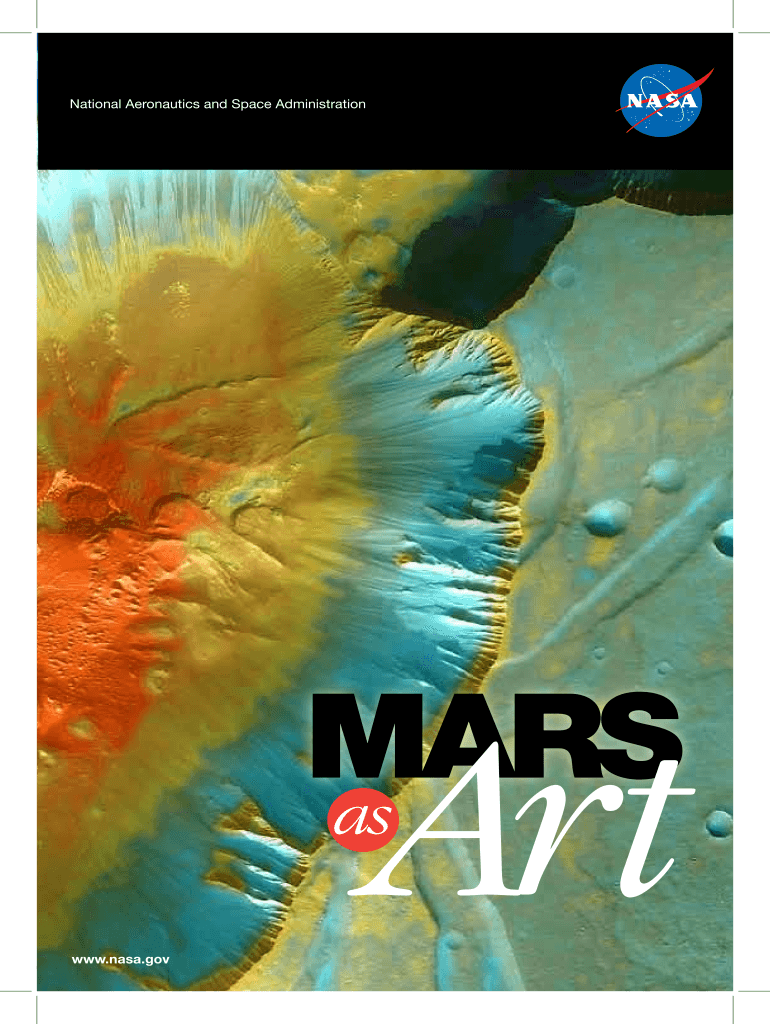
Explore the captivating realm of the "Mars as Art" exhibition, curated by NASA to blend science with artistic imagination. This exhibition uses images captured by various spacecraft to highlight Mars's unique landscape through an artistic lens. Featuring features like craters, dunes, and findings from Mars rovers, it provides insight into the Red Planet's geology and climate, transforming scientific data into artistic expression.
How to Experience "Welcome to Mars as Art"
Engage with the Mars as Art exhibit to appreciate Mars's stunning visuals and gain a deeper understanding of planetary science. Schools, researchers, and space enthusiasts can access the exhibition either through physical galleries or digital platforms, providing an immersive experience that brings Mars's beauty and complexity to life.
Digital Accessibility
- Visit online galleries to view high-resolution images and artistic interpretations.
- Access educational materials and interactive features online for a comprehensive exploration.
Physical Exhibitions
- Attend exhibitions or science museums featuring the artistry of Mars.
- Participate in guided tours and talks from experts when available.
Steps to Appreciate "Welcome to Mars as Art"
- Identify a Platform: Choose between digital viewings on the NASA website or local exhibitions.
- Explore the Imagery: Delve into the collection of images representing Mars's diverse geography.
- Interpret Artistic Representations: Appreciate how scientific images transform into art, enhancing understanding.
- Engage with Educational Resources: Use accompanying resources for deeper insights into Martian geology and climate.
- Share Experiences: Discuss interpretations with community groups or online forums to broaden perspectives.
The Target Audience for "Welcome to Mars as Art"
The "Mars as Art" exhibit serves a diverse audience:
- Educators and Students: Offers a unique tool for teaching planetary science and art.
- Space Enthusiasts and Scholars: Provides detailed imagery for study and appreciation.
- Artists: Inspires new artistic interpretations of scientific data.
Key Elements of the "Welcome to Mars as Art"
Understanding the core components of the Mars as Art exhibition enhances the experience:
- High-Resolution Images: Aesthetic images captured using advanced spacecraft technology.
- Scientific and Artistic Narratives: Each image is accompanied by descriptions blending scientific fact and artistic interpretation.
- Interactive Resources: Online platforms provide tools for zooming in and analyzing details.
Legal and Ethical Guidelines for Using "Mars as Art"
Using the Mars as Art materials involves adhering to specific guidelines:
- Educational Use: Materials can enhance classroom learning, provided proper credit is given to NASA.
- Public Display: Exhibitions require permissions and acknowledgment of NASA as the source.
- Commercial Use: Commercial exploitation of images necessitates explicit permission from NASA.
Examples of Engaging with "Mars as Art"
Experience the Mars as Art exhibition in various contexts:
- Academic Projects: Incorporate Mars images into research papers or multimedia presentations.
- Public Speaking and Workshops: Utilize images to engage audiences in discussions on space exploration and art.
- Art Installations: Feature images in art installations or community events to promote interest in space.
Real-World Scenario
An art museum partners with a university's space science department to host a Mars as Art exhibition, fostering collaboration between artists and scientists and inspiring new interpretations of space.
Software Compatibility and Tools for "Mars as Art"
Leverage digital tools to enhance the Mars as Art experience:
- Educational Apps: Use software like Adobe Creative Suite for creating derivative artworks.
- Data Analysis Tools: Employ NASA-developed software to analyze image data for scientific study.
Utilizing these blocks provides a comprehensive understanding of "Welcome to Mars as Art," offering practical insights and engaging scenarios that highlight the exhibit's interdisciplinary nature.