




Definition & Meaning
A roofing contract is a legally binding document between a contractor and a property owner, detailing the terms and conditions for roofing work to be performed. This comprehensive agreement outlines the project’s scope, including required materials, labor specifications, and project timelines. By clarifying expectations, a roofing contract minimizes misunderstandings and disputes, ensuring a smooth process from start to finish.
Key Components
- Scope of Work: Clearly defines the tasks to be completed, such as installation, repair, or maintenance.
- Materials and Costs: Lists required materials and their costs, ensuring transparency in pricing.
- Timeline: Specifies start and completion dates, crucial for scheduling and project management.
Importance
Understanding the meaning and implications of a roofing contract protects both parties. It serves as a reference for legal protections, ensuring the contractor meets quality and warranty standards while safeguarding the owner's investment.
Steps to Complete the Roofing Contract
Completing a roofing contract involves several critical steps to ensure clarity and legality. Each step lays the groundwork for a successful project and minimizes potential legal disputes.
-
Initial Meeting and Assessment
- Assess the roofing needs with the property owner.
- Inspect the roof to understand the scale and requirements.
-
Drafting the Contract
- Include detailed descriptions of the project's scope.
- Specify materials, labor costs, and payment schedules.
-
Review and Modify
- Allow both parties to review the contract.
- Make necessary modifications based on discussions or changes in project scope.
-
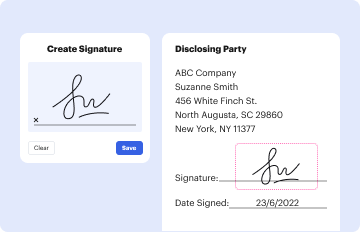
Signatures and Approval
- Both parties sign to indicate agreement.
- Obtain notarization if required by state law.
Comprehensive Examples
- Inspections: Thorough inspections help identify potential issues that need addressing.
- Adaptations: Flexibility in adjusting contract terms is crucial when unexpected project changes occur.
Key Elements of the Roofing Contract
A comprehensive roofing contract should include several essential elements to cover every aspect of the roofing process and obligations.
Crucial Terms and Conditions
- Project Description: Delineates tasks, from minor repairs to complete installations.
- Payment Terms: Includes deposit requirements, installment schedules, and final payment.
Protections and Warranties
- Workmanship Warranty: Guarantees quality of labor for a specified period.
- Material Warranty: Covers defects or failures of roofing materials.
Statutory Notices
- Legal Rights: Information on state laws regarding contract termination rights.
- Lien Notices: Protects property owners from unexpected liens from subcontractors.
Legal Use of the Roofing Contract
Roofing contracts are legal documents that require careful consideration of applicable laws and regulations. They provide a framework for resolving disputes and ensuring compliance with statutory obligations.
Standard Legal Procedures
- Permits and Licenses: Details responsibilities for acquiring necessary legal documents.
- Insurance Requirements: Contractors must provide insurance coverage proof to protect against liabilities.
Important Legal Provisions
- Breach of Contract: Outlines recourse if either party fails to fulfill obligations.
- Dispute Resolution: Defines processes for mediation or arbitration to manage disagreements.
State-Specific Rules for the Roofing Contract
In the United States, roofing contracts may vary significantly from one state to another due to differing legal requirements and standards.
Common Variations
- Permit Regulations: States often have specific permitting processes and requirements.
- Consumer Protections: Some states mandate additional disclosures or consumer rights notices.
Adaptations and Compliance
- Contractor Licensing: Essential for ensuring contractors meet state-specific standards.
- Insurance Mandates: Dictated by state laws to ensure comprehensive coverage during the project.
Regional Case Studies
- California: Strict regulations for energy efficiency in roofing projects.
- Texas: Specific notices required for storm damage repair contracts.
Important Terms Related to Roofing Contract
Several terms are particularly relevant in the context of roofing contracts, clarifying responsibilities and expectations.
Core Terminology
- Change Order: A formal amendment to the contract when project scope changes.
- Retainage: A portion of the payment withheld until completion to ensure job quality.
Usage and Implications
Understanding these terms helps property owners and contractors navigate the agreements more effectively, ensuring a mutual understanding of project expectations.
Who Typically Uses the Roofing Contract
Roofing contracts are essential tools for a range of stakeholders involved in roofing projects. Each party benefits from the contract's clarity and protection.

Key Users
- Homeowners: Protect their investment and outlines rights and expectations.
- Contractors: Secure a clear understanding of project obligations and payment terms.
- Developers: Ensure comprehensive coverage during large-scale building projects.
User Scenarios and Benefits
Regularly used by industry professionals and property owners, these contracts assure quality work, proper payment, and legal protection for all involved parties.
Examples of Using the Roofing Contract
Practical applications of a roofing contract showcase its versatility and importance in real-world scenarios.
Application Contexts
- Residential Projects: Enhance clarity on small-to-large home renovations.
- Commercial Developments: Manage complex commercial building roofs requiring detailed specifications and coordination.
Case Studies
- Example 1: A homeowner in Florida used a roofing contract to manage roof damage repairs after a hurricane, ensuring all materials and labor adhered to state regulations.
- Example 2: A construction firm utilized the contract for a new office building, outlining timelines and penalties for delays, resulting in a structured, on-time project completion.
By including detailed sections and paragraphs on each aspect, the content ensures extensive coverage and practical guidance for utilizing a roofing contract effectively.