






Definition & Meaning
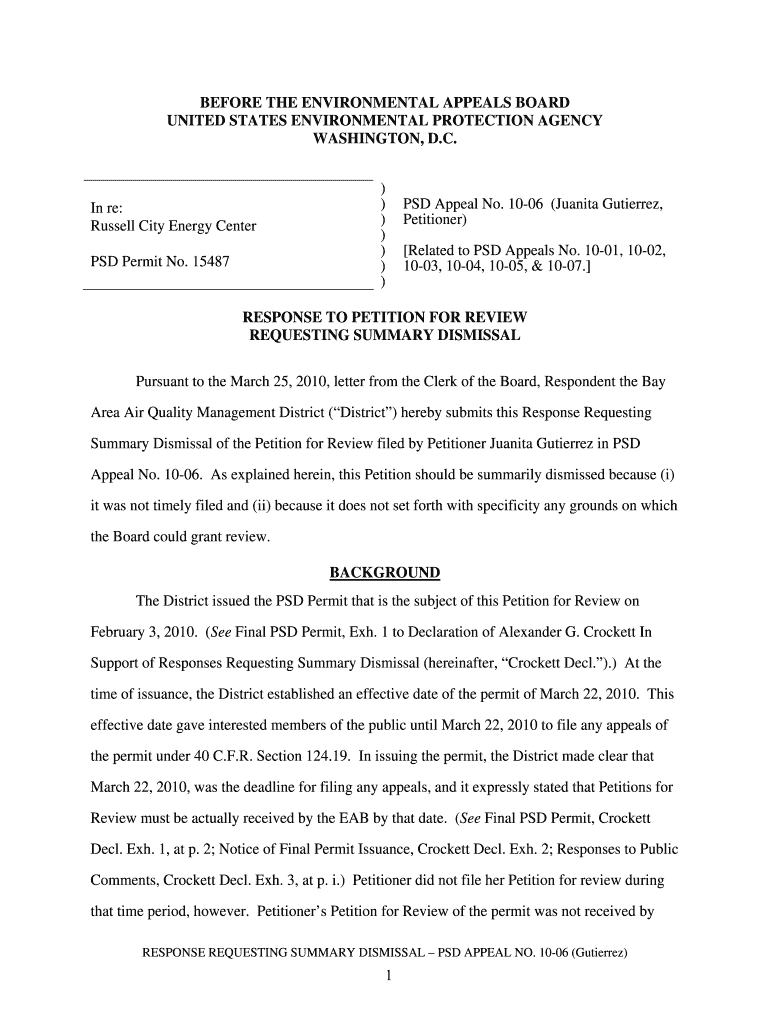
The "BEFORE THE ENVIRONMENTAL APPEALS BOARD prepublication version of Procedural Regulations for Registra" refers to a preliminary version of guidelines or rules intended to guide the process of registration under certain environmental laws. This document typically outlines the procedures that parties need to follow when submitting appeals or participating in the Environmental Appeals Board (EAB) proceedings. The prepublication version generally serves as a draft to solicit feedback before final regulations are officially enacted.
How to Use the Procedural Regulations
Using the prepublication version effectively involves understanding and adhering to the outlined procedures. It acts as a reference tool for individuals and organizations involved in environmental regulatory matters. Users should:
- Review each section of the regulations to comprehend the requirements.
- Follow specified steps for filing appeals or supporting documentation.
- Ensure compliance with deadlines and procedural mandates to avoid delays or dismissals.
- Seek legal counsel if interpretation of specific sections is unclear or if legal implications are involved.
Steps to Complete the Procedural Regulations
To complete tasks as outlined in the procedural regulations, the following steps should be taken:
- Read the Overall Guidelines: Begin by reviewing the document in its entirety to understand the scope of its application.
- Identify Relevant Sections: Determine which sections of the regulations pertain to your specific needs or actions.
- Gather Necessary Information: Ensure you have all required information and supporting documents before filing or responding to any appeals.
- Submit as Required: Follow submission protocols carefully, whether online, via mail, or in person, as specified.
- Track and Confirm Submission: Keep records of your submission to verify compliance and address any follow-up actions.
Key Elements of the Procedural Regulations
The procedural regulations encompass several critical elements, including:
- Filing Procedures: Detailed instructions on how to prepare and submit appeals or documentation.
- Timelines and Deadlines: Specific dates by which submissions must be made to be considered valid.
- Review Process: Explanation of how applications or appeals will be reviewed and what criteria will apply.
- Legal and Compliance Requirements: Outlines of legal compliance and any necessary certifications.
Each element is integral in ensuring that the procedural framework is not only followed but also serves the intended purpose of fair and efficient environmental governance.
Legal Use of the Procedural Regulations
Legally, the procedural regulations serve as the framework within which parties must operate when engaging with the Environmental Appeals Board. They are foundational in:
- Informing stakeholders of their rights and responsibilities.
- Providing a structure to ensure due process in environmental regulation matters.
- Defining legal consequences for non-compliance or procedural missteps.
- Being used as a basis for legal proceedings or challenges where necessary.
Examples of Using the Procedural Regulations
Practical use of the procedural regulations includes various real-world applications, such as:
- Appealing a Permit Decision: An organization might use the regulations to appeal a decision on environmental permits that impact their operations.
- Compliance Reviews: Companies may audit their procedures against the regulations to ensure ongoing compliance.
- Stakeholder Negotiations: In complex multi-party negotiations, the regulations guide the agreed format and process.
These examples underscore the document's role as a pivotal instrument in navigating environmental governance dynamics.
Submission Methods
The procedural regulations offer multiple submission methods to accommodate different preferences and capabilities:
- Online Submission: Utilizing dedicated portals or email systems for quick and efficient filing.
- Mail Submission: Postal submissions, which require attention to postal service delivery times.
- In-Person Delivery: Direct submission at designated offices, often necessitating appointments.
Users should select the method that ensures timely and reliable delivery in line with regulatory timelines.
State-Specific Rules
State-specific rules can impact how these procedural regulations are applied and interpreted. Variations may include:
- State-Defined Deadlines: Different states might impose their timelines or deadlines in addition to federal requirements.
- Additional Documentation: Some states might require extra documents not mandated at the federal level.
- Regional Compliance Requirements: States might have unique environmental standards or compliance criteria.
It is crucial for users to verify and comply with these variations to ensure procedural and legal efficacy.
Penalties for Non-Compliance
Non-compliance with the procedural regulations can lead to:
- Formal warnings or enforcement actions against the non-compliant party.
- Potential fines or financial penalties imposed due to procedural violations.
- Revocation of permits or licenses, impacting business operations substantially.
- Legal challenges and reputational damage that may arise from non-compliance findings.
Understanding and adhering to every aspect of the document is essential to avoid these penalties and maintain legal standing.
Conclusion
This comprehensive guide to the "BEFORE THE ENVIRONMENTAL APPEALS BOARD prepublication version of Procedural Regulations for Registra" aims to support users in navigating its contents effectively. From definitions and usage instructions to state-specific guidelines and potential penalties, this resource enhances understanding and promotes adherence to environmental regulatory requirements.