






Understanding "The Solutions to the Problems in"
"The Solutions to the Problems in" encompasses a wide range of scenarios, where specific processes or guidelines provide structured paths to address and resolve particular issues. This phrase commonly appears in contexts necessitating systematic problem-solving approaches.
Practical Applications of "The Solutions to the Problems in"
- Addressing genetic issues such as inheritance patterns and mutations.
- Providing frameworks for document management and workflow optimization.
- Establishing protocols for data security and document handling.
By employing these solutions, users can methodically tackle complex tasks and improve efficiency in various domains such as genetics, documentation, among others.
How to Implement "The Solutions to the Problems in"
- Identify the specific problem or scenario that needs addressing.
- Assess the resources and tools available for solving the issue.
- Apply structured solutions tailored to the problem domain, utilizing step-by-step guidelines as necessary.
Understanding the implementation process ensures that users can effectively navigate and manage challenges.
Steps to Complete "The Solutions to the Problems in"
- Determine the Problem: Clearly define the issue at hand.
- Research Available Solutions: Look into recognized methods and tools suited for the specific problem.
- Plan and Execute: Create a structured plan and implement the solution systematically.
- Review and Iterate: Evaluate the effectiveness of the solution and make adjustments as needed.
This methodical approach facilitates comprehensive problem resolution.
Key Elements in "The Solutions to the Problems in"
- Recognition of Issue: Clearly identify and understand the problem.
- Application of Methods: Use targeted solutions aligned with the specific context.
- Evaluation of Results: Constantly assess the outcomes and refine processes for better efficiency.
These elements are critical for achieving effective outcomes when tackling varied problems.
Examples of Using "The Solutions to the Problems in"
- Document Management: Streamlining workflows by using document editing and signing solutions.
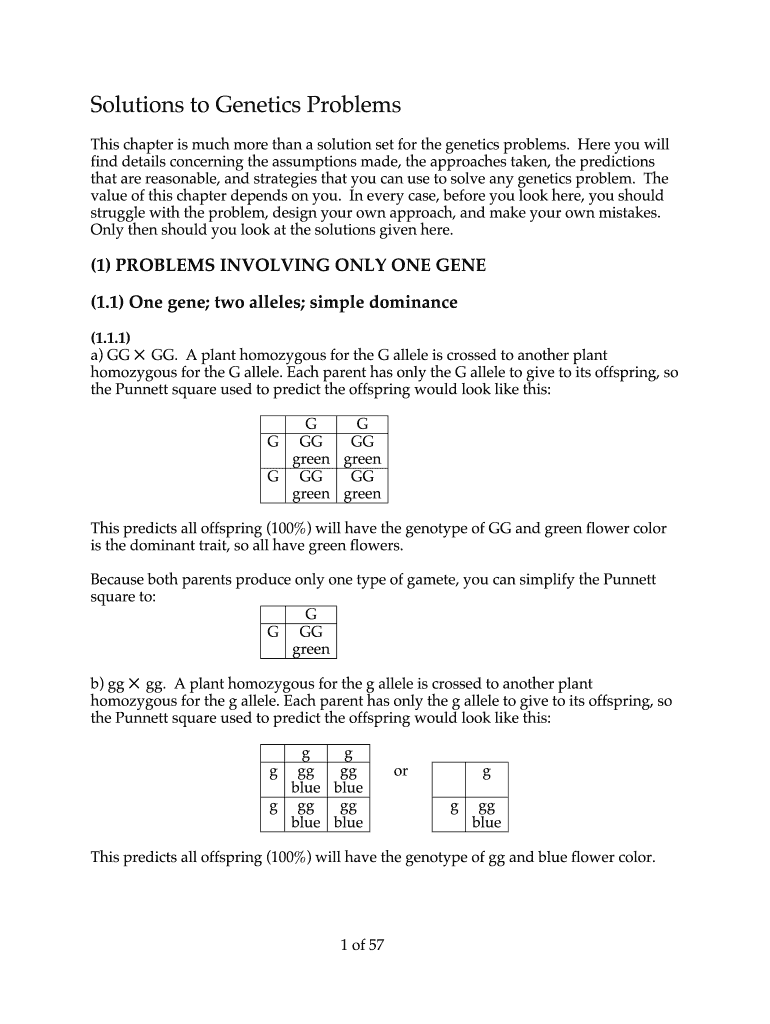
- Genetic Analysis: Utilizing experiments and biochemical pathways to understand genetic disorders.
- Security Protocols: Implementing encryption and authentication measures for data protection.
Examples demonstrate the versatility of such solutions across different fields and use cases.
State-Specific Considerations for "The Solutions to the Problems in"
- Regulatory Compliance: Ensuring solutions align with state laws and regulations in the U.S.
- Geographic Variations: Understanding regional differences can impact the application of solutions.
Addressing these considerations is vital for the accurate and relevant application of solutions across various jurisdictions.
Legal Use and Compliance When Applying "The Solutions to the Problems in"
- Data Protection Laws: Adhering to legal frameworks protecting data integrity and privacy.
- Intellectual Property: Recognizing any legal ramifications associated with the use or development of specific solutions.
Maintaining compliance with legal requirements ensures that solutions are applied responsibly and ethically.