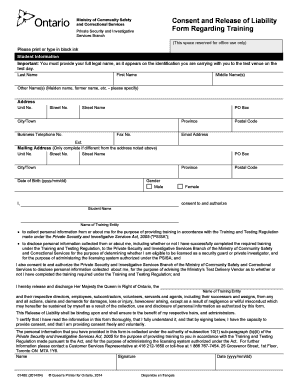
Definition & Function of the LDSOA Nature Lab Permission Form
The LDSOA Nature Lab Permission Form is a critical document that permits access to the nature laboratory for faculty and graduate students. This form is essential for ensuring regulated entry and maintaining lab integrity. Undergraduate students must obtain permission from Gene Wright, aligning with specific access guidelines. The permission form is a prerequisite for acquiring a key to the laboratory, emphasizing the responsible use of resources and adherence to safety protocols.
Key Characteristics
- Target Users: Primarily designed for LDSA faculty, graduate students, and approved undergraduate students.
- Purpose: Facilitates controlled access to the lab and ensures adherence to usage guidelines.
How to Use the LDSOA Nature Lab Permission Form
Utilizing the form involves several critical steps, ensuring compliance with laboratory access protocols. Users must properly fill out and submit the form for access approval.
Step-by-Step Process
- Complete Form Information: Provide personal details and specify the need for laboratory access.
- Approval Requirement: For undergraduate students, obtain required approval from Gene Wright.
- Email Submission: Submit the completed form via email at least one day prior to the intended access date.
Additional Considerations
- Ensure all sections of the form are filled accurately to avoid delays in processing.
- Retain a copy of the submitted form for personal records.
Steps to Complete the LDSOA Nature Lab Permission Form
Filling out the LDSOA Nature Lab Permission Form requires attention to detail to meet all outlined requirements. Proper completion facilitates seamless access approval.
Detailed Instructions
- Personal Information: Enter full name, department affiliation, and contact information.
- Purpose of Access: Clearly articulate the specific purpose of nature lab use.
- Endorsements and Signatures: Secure necessary endorsements from authorized signatories if applicable.
- Review and Verify: Double-check all entries for accuracy before submission.
Submission Protocols
- Early submission is advisable to accommodate any potential processing delays.
- Direct any queries regarding form completion to administrative support for assistance.
Key Elements of the LDSOA Nature Lab Permission Form
Understanding the core elements of the form is imperative for ensuring completeness and compliance. Each section serves a specific function, contributing to the efficient processing of permissions.
Core Components
- Applicant Information: Includes data such as name, status (faculty/graduate/undergraduate), and contact details.
- Access Justification: A section dedicated to explaining the rationale for needing lab access.
- Approval Authority: Provides slots for necessary signatures or endorsements, especially required for undergraduate students.
- Submission Details: Directions for electronic submission, including email and timeline.
Important Terms Related to the LDSOA Nature Lab Permission Form
Familiarity with key terminology ensures clarity and prevents misinterpretations during the form's completion and submission.
Glossary of Terms
- LDSOA: Refers to the designated School of Arts authority within the institution.
- Lab Access: The regulated ability to enter and use the laboratory facilities.
- Endorsement: Official approval needed particularly for undergraduate access applications.
Common Abbreviations
- LDSA: Likely shorthand for the specific department or school associated with the form.
- G.W.: Refers to Gene Wright, an authorizing figure in the access approval process.
Who Typically Uses the LDSOA Nature Lab Permission Form
Identifying the form's primary users helps target its utility more effectively, ensuring the right individuals complete it when needed.


Typical Users
- Faculty: Includes professors and researchers needing lab access for various academic purposes.
- Graduate Students: Those involved in advanced studies or research requiring laboratory resources.
- Authorized Undergraduate Students: Individuals granted access based on academic requirements or project involvement, endorsed by Gene Wright.
User Profiles
- Many users involve those conducting specific research projects, collaborative studies, or participating in supervised academic activities.
Legal Use of the LDSOA Nature Lab Permission Form
Adhering to legal and institutional regulations is crucial for the legitimate use of the LDSOA Nature Lab Permission Form. Understanding its lawful application ensures users remain compliant with institutional policies.
Compliance Guidelines
- Authorization Compliance: Users must adhere to endorsed authorization requirements, particularly for undergraduates.
- Facility Regulations: Usage guidelines defined within the form outline lab conduct and material handling procedures.
- Institutional Policy Adherence: Strict conformity is required regarding the administrative procedures and access stipulations.
Legal Considerations
- Unauthorized access or form falsification breaches institutional protocols and can result in disciplinary actions or loss of access privileges.
Examples of Using the LDSOA Nature Lab Permission Form
Real-world scenarios enhance understanding of the form's practical applications, showcasing its utility in various contexts.
Use Case Illustrations
- Graduate Thesis Research: A graduate student requests lab access to conduct biodiversity assessments, submitting the form for key issuance.
- Faculty-Led Project: A professor leading a study involves students in fieldwork requiring lab resources, using the form to facilitate supervised access.
- Educational Workshops: Undergraduate students in a field course need limited lab access under faculty supervision, following Gene Wright’s approval, documented in the permission form.
Impact on Access
- These examples highlight diverse academic contexts where the form plays a critical role in enabling research and educational initiatives.