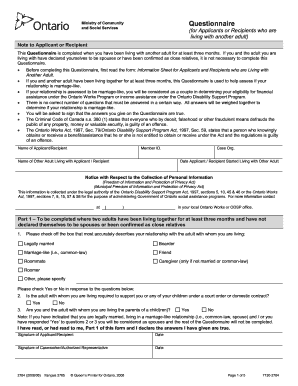
Definition and Meaning of Template Design Draft
The Template Design Draft is typically a preliminary version of a document layout used to efficiently organize and present information. It serves as a blueprint that guides the finalization of document content and design. In professional settings, especially when using platforms like DocHub, it helps streamline the creation of standardized documents by providing a structured framework. This draft often includes placeholders for text, images, forms, and annotations which can be customized according to specific needs.
How to Use the Template Design Draft
To effectively use a Template Design Draft, follow these steps:
-
Select a Relevant Template: Choose a draft that aligns with your document's purpose, whether it's a contract, report, or presentation.
-
Customize Content: Replace placeholders with actual data, including text, images, and any necessary annotations to fit your needs.
-
Utilize DocHub Tools: Take advantage of features like form fields, signatures, and text boxes to enhance the document’s functionality.
-
Collaborate: Share the draft with colleagues or clients for feedback. Use the commenting and permission settings to manage input.
-
Finalize and Export: Once completed, review the draft for accuracy and export it to the desired format using DocHub’s capabilities.
Steps to Complete the Template Design Draft
Completing a Template Design Draft involves a series of methodical steps:
-
Identify Necessary Sections: Start by understanding which sections are required for your document, based on its purpose and audience.
-
Gather Information: Collect all relevant data and materials needed to fill out the template comprehensively.
-
Input Data: Enter information into the designated sections of the template, adjusting the layout if necessary.
-
Review Content: Check for completeness and accuracy, ensuring all sections are properly filled.
-
Apply Design Elements: Use DocHub’s editing features to add annotations, images, or design elements to enhance clarity and presentation.
-
Share for Feedback: Send the draft to other stakeholders for review. Incorporate any necessary revisions based on their input.
Who Typically Uses the Template Design Draft
Template Design Drafts are commonly utilized by:
- Businesses: To maintain consistency in reports, contracts, and proposals.
- Educational Institutions: For structuring academic papers, syllabi, and project outlines.
- Legal Professionals: When drafting agreements, briefs, or legal forms.
- Freelancers and Consultants: To develop proposals and deliverables for clients.


Key Elements of the Template Design Draft
Several critical components form the backbone of an effective Template Design Draft:
- Title and Headings: Clearly label each section for easy navigation.
- Placeholders: Provide spaces for text, images, and other elements that need to be customized.
- Instructional Notes: Include guidelines or instructions on how to fill out sections.
- Signature Fields: For documents requiring authentication, ensure clear markers for signatures.
- Formatting Consistency: Uniform design elements such as fonts, colors, and spacing.
Legal Use of the Template Design Draft
The Template Design Draft must adhere to legal standards, ensuring compliance and validity:
- Compliance with Regulatory Standards: Whether for tax, legal, or business purposes, ensure the draft meets all regulatory requirements.
- Inclusion of Disclaimers: Where applicable, add legal disclaimers to protect against liabilities.
- Signed Authentication: Use electronic signature capabilities in DocHub to validate the document legally.
Required Documents for Completing the Template Design Draft
When preparing to fill out a Template Design Draft, gather all necessary documents, which may include:
- Identification Reports: Proof of identity for legal or financial documents.
- Supporting Data: Any required evidence or data supporting the document’s purpose, such as financial statements or policy numbers.
- Previous Documents: Past versions or related documents that provide context or reference.
Software Compatibility for Template Design Draft
Using DocHub, the Template Design Draft offers seamless compatibility with various software applications:
- Integration with Cloud Services: Connect with Google Drive, Dropbox, or OneDrive for easy import and export.
- Editing Across Platforms: Use on both desktop and mobile browsers to access and edit the draft.
- File Format Compatibility: Work with multiple formats, such as DOC, PDF, PPT, and XLS.