
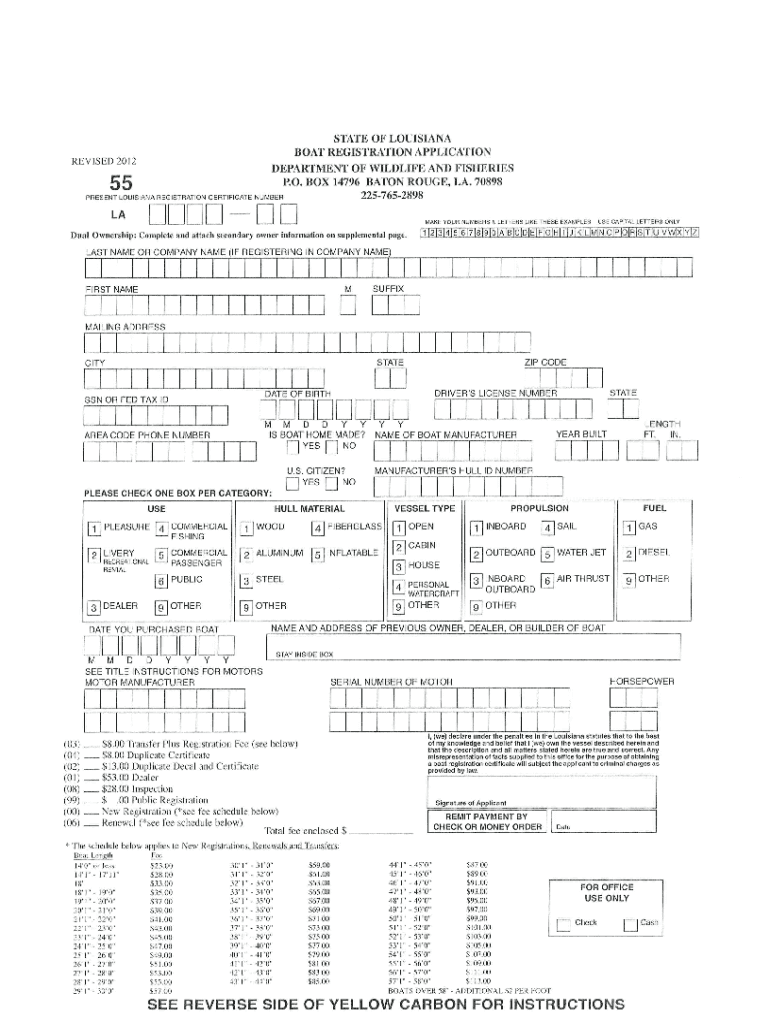







Definition & Meaning
The term "form online" refers to electronic documents designed for data entry, submission, or completion over the internet. These forms can range from government applications, business paperwork, to various agreements requiring input from one or more parties. They enable users to complete necessary documentation digitally, ensuring quicker processing and reduced paper usage. In the digital workspace, platforms like DocHub facilitate the creation and management of these forms, providing tools to convert, edit, and distribute them efficiently.
How to Use the Form Online
When using a form online, the process typically involves accessing the document through a web platform such as DocHub. Users can upload their files directly, initiate a new form, or convert an existing document into a fillable format. The platform offers features such as drag-and-drop fields, which allow users to place input sections like text boxes or checkboxes. Users can also leverage annotation tools to make notes or highlight specific areas, ensuring clarity and precision while completing forms.
Steps to Complete the Form Online
- Access the Document: Start by opening the form from your computer, cloud storage, or directly from an email.
- Input Information: Fill in required data using designated fields. For example, type text into text boxes or select from a dropdown menu.
- Save Progress: Regularly save your work to avoid losing changes due to connectivity issues.
- Verify Entries: Ensure all information is accurate and complete to prevent errors in processing.
- Review and Edit: Make any necessary edits using the available tools, such as erasing incorrect entries or adding comments.
- Submit or Share: Submit the form directly online or share it with required parties through a secure link or email.
Key Elements of the Form Online
Online forms have various essential components to ensure comprehensive data entry and processing:
- Text Fields: Spaces where users can input specific information.
- Checkboxes: Options for users to select applicable choices.
- Dropdown Menus: Provide multiple-choice selections to streamline user input.
- Signature Fields: Areas designated for digital signatures, ensuring legal compliance.
- Upload Sections: Allow users to attach necessary supporting documents.
Why Should You Form Online
Completing forms online offers numerous benefits:
- Efficiency: Saves time by eliminating the need for physical mailing and processing.
- Accessibility: Forms can be accessed and filled from anywhere with internet connectivity.
- Environmental Impact: Reduces paper usage, supporting sustainability efforts.
- Accuracy: Digital forms minimize errors with features like validation checks and autofill capabilities.
- Security: Platforms like DocHub ensure data protection with encryption and password options.
Who Typically Uses the Form Online
A wide array of individuals and organizations utilize online forms:
- Businesses: To streamline administrative tasks such as HR paperwork or client agreements.
- Government Agencies: For applications such as tax filings or benefit requests.
- Educational Institutions: For admissions processes and student registrations.
- Healthcare Providers: For patient information forms and medical records.
- Individuals: For personal documents like rental agreements or tax forms.


Legal Use of the Form Online
Online forms adhere to legal standards, making them a viable option for official use. Platforms like DocHub ensure compliance with regulations such as the ESIGN Act, which validates electronic signatures as legally binding in the United States. This legitimacy allows users to handle various legal documents, from contracts to government applications, with confidence in their legality and acceptance by relevant authorities.
Software Compatibility
DocHub's functionality extends to seamless compatibility with several software platforms, enhancing the user experience:
- Google Workspace: Direct integration allows for importing and exporting files between Google Drive and DocHub.
- Microsoft Office: Supports formats such as DOC, XLS, and PPT, facilitating broad accessibility.
- Cloud Services: DocHub can work with Dropbox, OneDrive, and other storage services.
- PDF Readers: Ensures easy management and editing of PDF documents.
This compatibility ensures that users can integrate DocHub’s services with existing systems, maintaining workflow efficiency and reducing technical barriers.




