
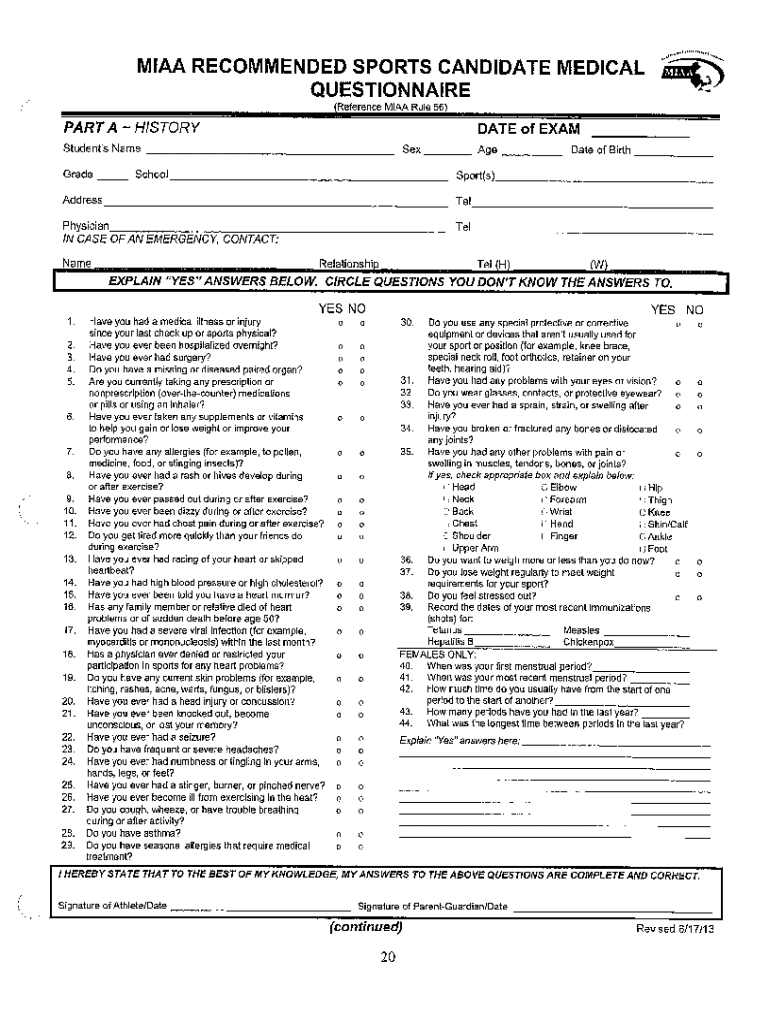







Definition and Meaning of "Form Online"
The term "form online" refers to digital applications or documents that you can complete via the internet. These forms are designed to facilitate various processes, such as registrations, applications, or data submissions, without requiring printed paperwork. The convenience of filling out forms online has revolutionized many industries, making processes faster and more efficient. Online forms often incorporate features like autofill, providing a seamless experience for users who frequently fill out similar details across different forms. The underlying technology, including secure data transfer protocols, ensures that personal and sensitive information remains protected throughout the process.
Steps to Complete the Form Online
Filling out an online form typically involves several straightforward steps:
- Access the Form: Navigate to the website where the form is hosted, such as a government or business site.
- Read Instructions Carefully: Before beginning, review any accompanying instructions to understand the requirements.
- Fill in Personal Information: Provide requested personal data, such as name, address, and contact details.
- Upload Necessary Documents: Some forms require supporting documents, which can be uploaded in accepted formats.
- Review and Confirm Details: Carefully review all entries to ensure accuracy, as errors can lead to processing delays.
- Submit the Form: Once satisfied, submit the form. You may receive a confirmation email or receipt number as proof of submission.
These steps ensure the form is completed accurately and effectively, reducing the chances of errors or omissions that could impact its processing.
How to Obtain the Form Online
To obtain an online form, users typically follow these steps:
- Identify the Required Form: Determine which specific form is needed by consulting relevant resources or authorities.
- Visit the Appropriate Website: Go to the official website or platform where the form is available.
- Download or Directly Fill Out the Form: Some forms can be downloaded for offline completion, while others are designed for direct online submission.
Accessing forms online is designed to be user-friendly, providing tools and support as needed to guide individuals through the process.
Key Elements of the Form Online
Online forms generally comprise several key elements designed to capture comprehensive and relevant information:
- Text Fields: Used to input free-form data, like names and addresses.
- Dropdown Menus: Allow users to select options from a predefined list, ensuring consistency in responses.
- Checkboxes and Radio Buttons: Enable selections of one or multiple items, particularly useful for simple answers like Yes/No.
- Signature Fields: Facilitate electronic signing to authenticate the form.
These elements are critical in collecting specific data while maintaining an intuitive user experience.
Security Measures for Online Forms
Protecting data is a fundamental concern when filling out forms online. Platforms typically implement several security measures:
- Encryption: SSL encryption is often used to secure user data during transmission.
- Authentication Protocols: Methods like OAuth 2.0 ensure only authorized users access sensitive areas.
- Two-Factor Authentication: Provides an extra layer of security by requiring an additional verification step.
Such measures help prevent data breaches and ensure that user information is kept confidential and secure.
Advantages of Using Online Forms
The use of online forms presents multiple benefits:
- Convenience: Forms can be completed at any time and from any location, saving users from time-consuming in-person visits.
- Efficiency: Automation features, such as autofill and data validation, streamline the submission process.
- Reduction of Errors: Integrated checks and balances help users correct mistakes before submission, enhancing accuracy.
These advantages make online forms a preferred choice for both individuals and organizations.
Legal Use of the Form Online
Online forms are legally valid in many contexts. Rules and regulations ensure that these forms can act as legally binding documents, particularly when:
- Electronic Signatures: Online forms often support electronic signatures, which meet legal standards such as the ESIGN Act in the United States.
- Audit Trails: Forms maintain logs that provide evidence of when and by whom a form was completed, essential for legal auditing.
Understanding the legal framework associated with online forms helps users ensure compliance with pertinent laws and regulations.
Examples of Using Form Online
Online forms find applications in various contexts, such as:
- Tax Filings: Government agencies offer tax forms online for easier completion and submission.
- Job Applications: Candidates commonly use online forms to apply for positions, enabling seamless document submission alongside personal data.
- Educational Enrollment: Schools and universities employ online forms for admissions, registering student details efficiently.
These examples illustrate the versatility and accessibility of online forms across different sectors.
State-Specific Rules for Online Forms
Each U.S. state may have unique rules governing the use of online forms, often reflecting differences in administrative practices or legal requirements. These can include:
- Data Privacy Laws: States like California have specific privacy legislation influencing how data collected via online forms can be used and stored.
- Submission Processes: Variations can exist in submission deadlines or required fields for completion.
Familiarizing yourself with state-specific guidelines ensures compliance and proper use of online forms in various jurisdictions.




