






Overview of the eBay Seller's Reputation Impact on Prices
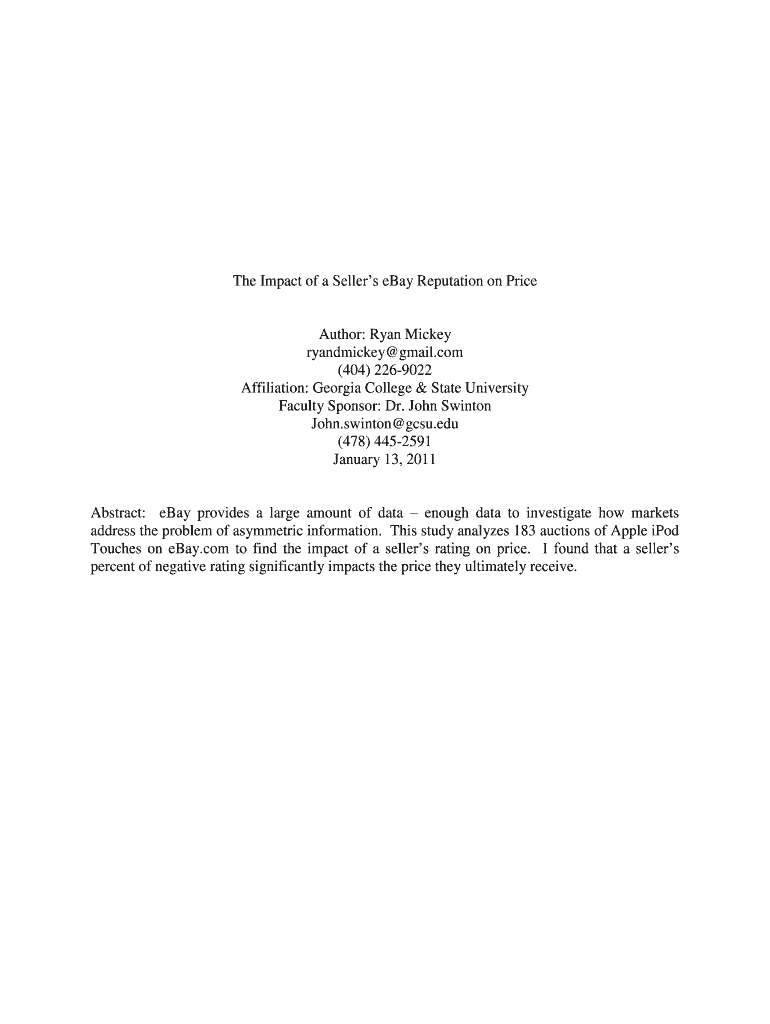
A seller’s reputation on eBay can significantly influence the pricing of items in online auctions. This market dynamic reflects the importance of trust and reliability in transactions, which are often assessed through eBay's feedback system. Buyers tend to evaluate a seller's feedback score to gauge the likelihood of a satisfactory transaction. High positive feedback often correlates with higher final selling prices due to the perceived trustworthiness of the seller. Conversely, sellers with negative feedback may find their items commanding lower prices, as potential buyers factor in the risk of a less favorable transaction.
Importance of eBay Feedback Ratings
The eBay feedback mechanism provides essential insights into a seller’s past transaction history, effectively mitigating issues related to asymmetric information. Buyers have the opportunity to assess seller reliability, as ratings offer a snapshot of past buyer experiences. A strong rating typically enhances market integrity and boosts buyer confidence, leading to potentially higher bids. The system underscores the importance of maintaining positive interactions and customer satisfaction to secure favorable transaction outcomes.
Key Elements Influencing Seller Reputation
Several factors within the feedback system can influence a seller’s reputation on eBay:
- Positive Feedback Percentage: A high percentage denotes reliability and trustworthiness.
- Number of Transactions: Greater transaction history can signify experience and service consistency.
- Recent Feedback: Recent positive feedback can reinforce trust, while negative feedback can raise red flags for potential buyers.
- Feedback Recency: How recently feedback was received also plays a role in shaping buyer perceptions.
Understanding these elements can help sellers strategize about improving their reputation, thereby potentially increasing the final sale price of their items.
Steps to Enhance eBay Seller Reputation
Sellers can adopt the following strategies to improve their eBay reputation, ultimately impacting the prices they receive:
- Deliver High-Quality Customer Service: Respond promptly to buyer inquiries and resolve issues efficiently.
- Maintain Accurate Listings: Ensure all descriptions are precise and comprehensive to avoid buyer dissatisfaction.
- Use Quality Packaging: Protect items during shipping to avoid damage and negative feedback.
- Request Feedback: Politely ask satisfied customers for positive ratings to enhance your seller profile.
- Monitor Feedback Regularly: Stay aware of what buyers are saying, and address any negative comments proactively.
Taking these steps can help maintain and elevate a seller’s reputation, contributing to higher selling prices.
Examples of Reputation Impact on Different Auction Outcomes
Several real-world case studies demonstrate the impact of a seller’s eBay reputation on auction prices:
- High Reputation Sellers: An auction of a popular electronic device, such as an Apple iPod Touch, by a seller with a 99% positive feedback rating, typically ends at a higher final price compared to similar listings.
- Low Reputation Sellers: Similarly, sellers with substantial negative feedback might find their listings for the same product closing at significantly lower amounts, impacting their profitability.
- Neutral or New Sellers: New sellers without any feedback history may struggle to achieve optimal pricing as buyers may be hesitant due to the lack of performance data.
These scenarios underline the critical role that feedback plays in determining the success of online auctions on eBay.
Who Utilizes eBay Seller Reputation Analysis
Several stakeholders benefit from analyzing the impact of eBay seller reputation:
- Individual Sellers: Sellers use insights from feedback analysis to tailor their selling strategy and customer interaction practices.
- Large Retailers: Companies often leverage reputation data to ensure alignment with consumer expectations and enhance brand trust.
- Researchers: Scholars in economics and business frequently study these dynamics to understand online market behavior.
- Buyers: Understanding seller reputation can also aid buyers in making informed purchasing decisions, potentially ensuring a more satisfactory transaction experience.
Each of these groups has a vested interest in the outcomes of eBay’s reputation feedback system, as it can directly impact their respective goals and strategies.
Variations and Older Versions of Feedback Systems
Over the years, eBay has refined its feedback system to include more detailed metrics and improved user interfaces. Understanding these changes can be beneficial, as updates often aim to provide a clearer, more comprehensive picture of a seller’s performance.
- Seller Dashboard: Offers sellers a detailed view of their ratings and enables them to monitor performance metrics over time.
- Feedback Revision Requests: Allows sellers to request feedback revisions if disputes are resolved favorably, helping maintain positive ratings.
- Detailed Seller Ratings (DSRs): Buyers can provide star ratings on four aspects: item description accuracy, communication, shipping time, and shipping and handling charges.
These evolutions have aimed to provide a balanced and fair system that benefits both sellers and buyers by fostering trust and transparency in the marketplace.
Legal Implications of eBay Seller Ratings
Though seller reputation itself is not legally binding, certain actions related to eBay feedback can carry legal considerations:
- Defamation: Unsubstantiated negative feedback that potentially harms a seller’s reputation could lead to claims of defamation.
- Trade Practices: Misrepresentations in listings that lead to negative feedback might breach trade and consumer protection laws.
Sellers and buyers alike should be aware of the potential legal nuances surrounding feedback, ensuring their actions and feedback remain factual and fair to avoid possible disputes.
Impact on Business Entities Using eBay
Different types of business entities utilize eBay to varying extents, and a seller’s reputation can play a crucial role in these settings:
- Small Businesses: Rely heavily on the feedback system to establish credibility and differentiate from competition.
- Corporations: Often have established reputations that are enhanced by consistently positive eBay feedback.
- Home-Based Entrepreneurs: May find that building a solid reputation is a pathway to significant business growth through online sales platforms.
Each of these entities can leverage a positive seller reputation as a strategic asset in their overall business model, influencing price settings and customer retention.
Including a strong understanding of eBay reputation impacts will benefit users, from individuals to corporations, who engage in online sales and aspire to maximize their performance and sales effectiveness.