







Definition and Meaning
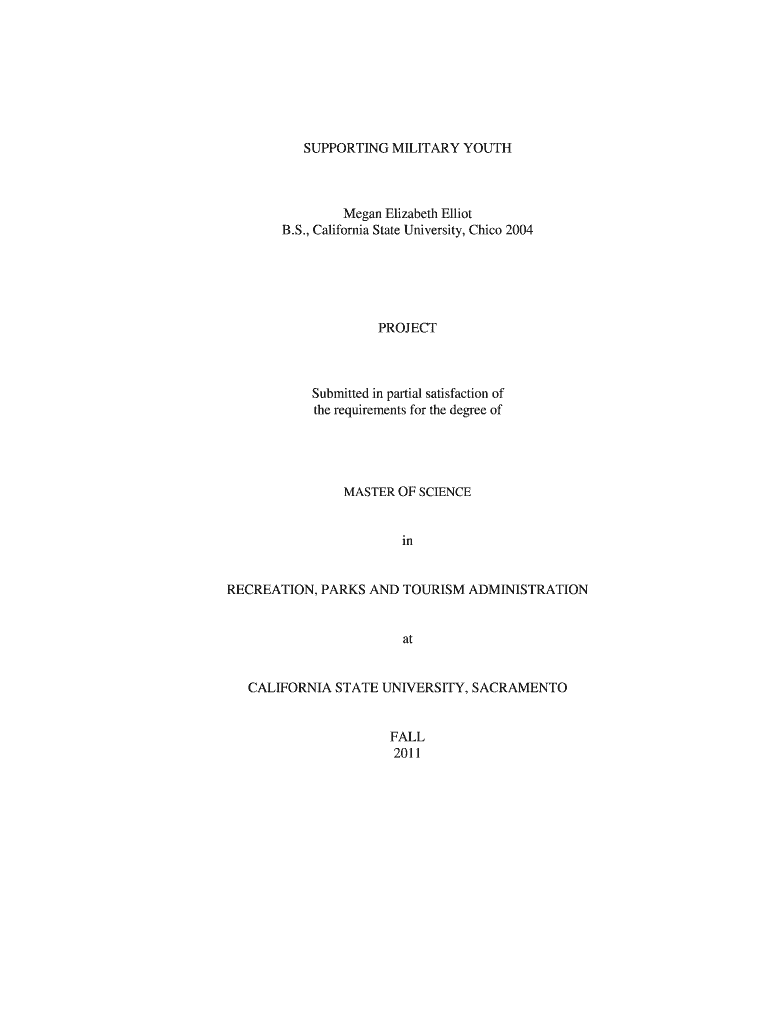
The "SUPPORTING MILITARY YOUTH - csus-dspace calstate" initiative is a comprehensive program designed to provide support for military children aged five to twelve years during periods of parental deployment. This project addresses the unique emotional and psychological challenges faced by these children, offering structured activities to help them navigate the stress of a parent's absence. The program's activities, such as journaling, art projects, group discussions, and team-building games, are aimed at fostering emotional resilience and peer support among military youth.
How to Use the SUPPORTING MILITARY YOUTH - csus-dspace calstate
To effectively utilize the SUPPORTING MILITARY YOUTH program, administrators can integrate the structured activities into existing child and youth programs on military installations. The program materials serve as a guide to educators and facilitators who work with military families, outlining step-by-step instructions for setting up and running activities that support emotional expression and community building. This approach ensures that children receive consistent and targeted support during challenging times.
Steps to Complete the SUPPORTING MILITARY YOUTH - csus-dspace calstate
- Assess Needs: Evaluate the specific emotional and educational needs of the military youth in your community.
- Gather Materials: Obtain all necessary resources as outlined in the project manual, including supplies for art and journaling activities.
- Activity Setup: Follow the manual’s instructions to prepare the environment, ensuring it's conducive to the scheduled activities.
- Implementation: Conduct the activities, encouraging participation and peer interaction among the children.
- Feedback and Adjustment: Collect feedback from participants to refine and improve the program's offerings continually.
Key Elements of the SUPPORTING MILITARY YOUTH - csus-dspace calstate
- Structured Activities: Engaging tasks such as team-building exercises, group discussions, and creative arts are central to the program, fostering a supportive environment for emotional expression.
- Facilitator Guide: A detailed manual provides clear guidelines for implementing the program, ensuring fidelity and effectiveness.
- Parental Deployment Context: All activities are tailored to address the emotional challenges related to parental deployment, providing targeted support specific to military youth.
Who Typically Uses the SUPPORTING MILITARY YOUTH - csus-dspace calstate
This program is primarily used by Navy Child and Youth Program administrators. It is also relevant to counselors, educators, and facilitators dedicated to supporting children of military personnel. These individuals leverage the program to provide structured emotional and social support, ensuring military youth remain resilient and connected to their peers and community during parental deployment.


Who Issues the Form
The "SUPPORTING MILITARY YOUTH - csus-dspace calstate" form is managed by the California State University system. Specifically, the project was developed by experts within this system, focusing on enhancing the emotional and social well-being of military children.
Legal Use of the SUPPORTING MILITARY YOUTH - csus-dspace calstate
This program adheres to all relevant legal guidelines governing educational and youth support services within the U.S., particularly those aimed at enhancing the welfare of military families. Administrators must ensure that all activities comply with privacy and safety regulations pertinent to child care and youth services on military installations.
Examples of Using the SUPPORTING MILITARY YOUTH - csus-dspace calstate
- Summer Camps: Use the activities as part of summer camp sessions for children with deployed parents, focusing on building friendships and emotional resilience.
- After-School Programs: Incorporate the program during after-school activities to provide consistent support and peer engagement for military children.
- Community Workshops: Host workshops during community events where families of military personnel can learn about the program’s benefits and integrate these practices into home routines.
Required Documents
To implement the SUPPORTING MILITARY YOUTH initiative, administrators need access to the program manual and any necessary approval forms or agreements from their respective military installations. Supporting documents may include activity guides, assessment tools, and parental consent forms for participation in various activities, ensuring all procedural and compliance guidelines are met.




