






Definition & Meaning
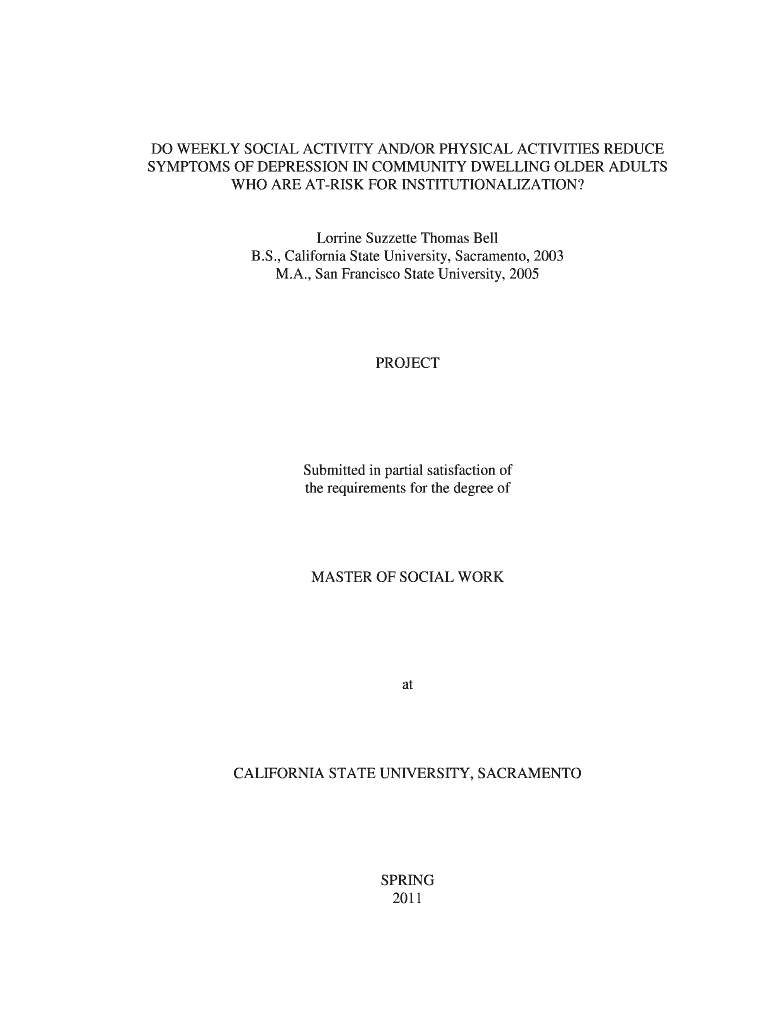
"Do Weekly Social Activity and/or Physical Activities Reduce Symptoms of Depression in Community Dwell" addresses the potential mental health benefits associated with regular engagement in social and physical activities among community-dwelling individuals. It explores whether such activities can effectively alleviate depressive symptoms, particularly in older adults who are at risk of institutionalization. The research context is rooted in examining how consistent social interactions and physical movements contribute to mental well-being and quality of life.
Importance of Engaging in Weekly Activities
Participating in weekly social or physical activities is crucial for mental health for several reasons:
- Social Connection: Regular interaction with peers helps prevent feelings of isolation and loneliness, which are often linked to depression.
- Physical Benefits: Engaging in activities like walking, yoga, or team sports enhances physical health, leading to improved mood.
- Routine and Purpose: Weekly commitments offer structure and a sense of purpose, positively impacting overall emotional stability.
In this context, the emphasis is on activities that are enjoyable and accessible to older adults living independently within their communities.
Steps to Participate in Activities
- Identify Interests: Determine the types of activities you enjoy, such as group exercise classes or community events.
- Research Local Options: Look for clubs, senior centers, or community organizations offering suitable activities.
- Schedule Regularly: Commit to attending activities weekly, making them a part of your routine.
- Engage and Communicate: Actively participate and communicate with others during these activities to enhance social bonds.
- Evaluate Impact: Reflect on how participation affects your mood and adjust your involvement as necessary.
Who Benefits from This Approach
The primary beneficiaries include:
- Older Adults: Community-dwelling seniors who can avoid social isolation and enhance their physical health.
- Caregivers and Family Members: They can support these activities, contributing to a positive environment.
- Community Planners: Understanding the benefits can help in designing programs that foster social and physical engagements.
Individuals and organizations alike stand to gain from a well-facilitated implementation of such activities.
Examples and Case Studies
Research indicates that older adults who participate in group exercise or community gardening programs experience better mood stability and reduced depressive symptoms. For instance, in a community center setting, structured therapeutic activities increased joy and decreased anxiety levels in participating individuals over a six-month period.
Key Elements
Certain activities have been shown to be especially beneficial:
- Low-impact Exercises: Walking groups or water aerobics
- Creative Arts: Art classes or music therapy sessions that promote emotional expression
- Game Nights or Book Clubs: Encouraging cognitive engagement and social interaction
Such activities should be accessible, enjoyable, and sustainable for participants.
Challenges and Solutions
While many recognize the benefits of these activities, barriers include:
- Mobility Issues: Provide transportation solutions or bring activities to accessible locations.
- Awareness: Increase informational outreach about available programs.
- Cost: Seek community funding or offer free programs to ensure broader participation.
Addressing these barriers enhances participation and ensures that the benefits reach those who need them most.
Legal and Ethical Considerations
In the U.S., community programs implementing these activities must adhere to regulations concerning mental health interventions and senior care. Protection of participants’ privacy and autonomy is paramount, ensuring all activities are voluntary and conducted with informed consent. Programs should align with both state and federal guidelines for therapeutic practices.