
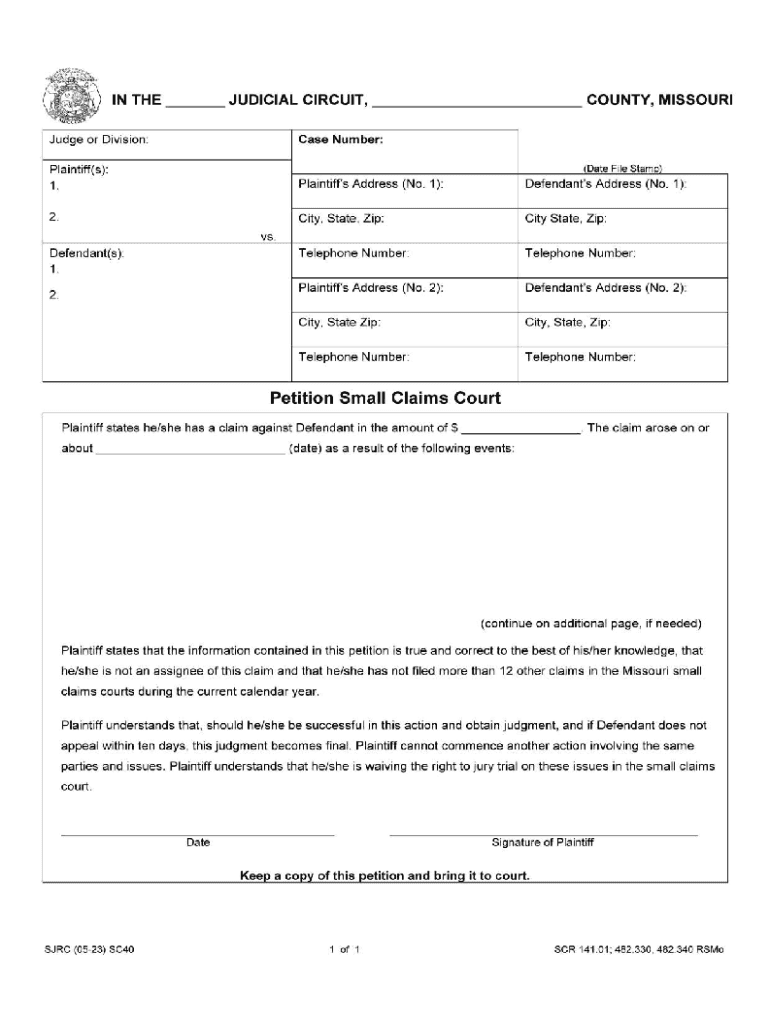







Understanding the Concept of Form Online
Forms online refer to digital versions of traditional paper forms, allowing users to complete, submit, and manage documentation electronically. This transition from paper to digital offers increased efficiency and convenience across various sectors, including business, government, and education. The ease of filling out forms online streamlines processes such as applications, registrations, and surveys, enhancing accessibility and reducing the need for physical paperwork.
How to Use Forms Online
Using forms online involves several straightforward steps, designed to make the process intuitive for users of all technical levels. Typically, users access an online form through a web browser on a computer or mobile device. Once on the form page, individuals fill in the required fields, which might include text boxes for inputting information, checkboxes, or dropdown menus for selecting options. Many platforms provide guidance during the completion process, ensuring accuracy and completeness of the information provided.
Obtaining Forms Online
To obtain forms online, users usually begin by navigating to the website of the issuing organization or entity, such as a government department or business. Many websites offer a section specifically for forms, where users can browse, search, and select the relevant forms they need. Some platforms, like DocHub, also enable users to create personalized templates or access a library of fillable forms that can be customized according to their specific requirements.
Steps to Complete a Form Online
- Access the Form: Navigate to the website or platform offering the form and locate the specific document.
- Review the Instructions: Carefully read any accompanying instructions to ensure a clear understanding of the requirements.
- Fill Out the Form: Enter all necessary information in the designated fields, taking care to verify details for accuracy.
- Add Attachments: If applicable, upload any required documents or images to supplement your form submission.
- Review and Submit: Double-check all entries for accuracy before submitting the completed form. Many platforms allow you to save a copy or print the form for your records.
Benefits of Completing Forms Online
Completing forms online offers numerous advantages over traditional paper methods. Key benefits include time efficiency, as digital forms can be completed and submitted at the user's convenience, often without needing to visit an office in person. Additionally, online forms minimize errors through built-in validation, ensuring information is correctly filled before submission. This method also reduces environmental impact by eliminating the need for physical paper and printing, contributing to sustainability efforts.
Who Typically Utilizes Online Forms
A wide range of individuals and organizations leverage online forms for various purposes. Students and educators use them for admissions and course registrations, while businesses rely on digital forms for customer feedback, job applications, and order processing. Governments and non-profits also employ online forms for applications, surveys, and data collection, reflecting the versatility and universal application of this digital tool.
Key Elements of an Online Form
An effective online form typically includes several essential elements:
- Clear Instructions: Guidelines for completing the form that enhances user experience.
- Input Fields: Areas where users enter necessary data, such as text boxes or dropdown menus.
- Validation Checks: Automated processes that ensure data accuracy and prevent incomplete submissions.
- Submit Button: A feature that allows users to send the completed form electronically.
These components work together to create a straightforward, user-friendly experience, ensuring that forms are completed correctly and efficiently.
Legal Use of Online Forms
Online forms must comply with various legal standards to ensure user data is protected and transactions are binding. Compliance with laws such as the ESIGN Act in the United States establishes the legality of electronically signed documents. This act ensures that electronic signatures are legally recognized and as enforceable as handwritten signatures, providing peace of mind to users submitting sensitive information online. Further, robust security measures, like SSL encryption, are necessary to protect data during transmission.
State-Specific Rules for Online Forms
Certain forms, particularly those related to taxation or legal documentation, may have state-specific variations. It is essential for users to be aware of and comply with these variations, as requirements can differ significantly from one state to another. For example, tax forms and business registration forms often have distinct processes and requirements based on state laws. Ensure you reference the appropriate guidelines for your locality when completing these forms online.




