




Definition and Meaning of jQuery Form Validation
Form validation using jQuery is a technique employed in web development to ensure that users provide necessary and correct information before submitting a form. This process checks that all required fields are completed, inputs adhere to predefined formats, and data is logically correct. Implementing jQuery validation can prevent submission errors and enhance user experience by providing real-time feedback. This approach leverages the jQuery library to streamline the validation process and offers a flexible, customizable way to handle various validation rules and error messages. By using jQuery for form validation, developers can reduce server-side errors and free users from frustrating submission issues.
Key Elements of jQuery Form Validation
Form validation using jQuery revolves around several critical elements that enhance its functionality:
- Validation Rules: Define specific criteria for each form field, such as minimum and maximum length, required fields, and acceptable formats (e.g., email, phone number).
- Error Messages: Customize error messages to inform users about incorrect inputs, guiding them to supply valid information.
- Real-Time Feedback: Provide instant validation results as users fill out fields instead of waiting until form submission.
- Styling and Layout: Integrate CSS styles to highlight errors and success messages, improving user engagement.
- Custom Validation Methods: Extend the standard jQuery validation methods with custom functions to meet unique needs.
Steps to Implement jQuery Form Validation
To implement effective jQuery form validation, follow these steps:
- Set up jQuery Environment: Include jQuery and the jQuery Validation Plugin in your project.
- Attach Validation to Form: Use the
.validate()method to apply validation to your form. - Define Validation Rules: Specify rules for each input field, establishing conditions such as required inputs and format constraints.
- Customize Error Messages: Define custom error messages for various validation failures.
- Apply CSS Styling: Use CSS to style error messages and highlight invalid fields.
- Test Thoroughly: Check for various input scenarios to ensure robustness.
Customizing Validation and Error Messages
- Mix custom and default messages to cover different error scenarios.
- Use placeholders as guides for expected input format, minimizing user error.
- Implement CSS transitions to smoothly display errors.
Who Typically Uses jQuery Form Validation
jQuery form validation is widely used by web developers and businesses that need to collect user data efficiently. It is particularly popular among:
- Web Developers: Professionals who build web applications and websites seeking to enhance user experience through real-time validation.
- E-commerce Websites: Businesses requiring precise user information for transactions and shipping.
- Online Services: Platforms that rely on user input for account creation, surveys, and lead generation.
By employing jQuery validation, these users can improve data quality and simplify the form completion process for their audience.
Examples and Scenarios of jQuery Form Validation
Several real-world scenarios showcase the practical application of jQuery form validation:
- Registration Forms: Ensure all fields, like username, email, and password, meet specific criteria before account creation.
- Contact Forms: Validate input fields such as phone numbers and email addresses to ensure prompt communication.
- Checkout Processes: Cross-verify shipping and billing information to prevent delays or errors during order processing.
Through these examples, jQuery form validation can significantly improve data integrity and overall form-filling experience.
Software Compatibility and Integration
The use of jQuery for form validation often pairs with various software platforms, enhancing functionality and providing seamless integration:
- Content Management Systems (CMS): Compatible with WordPress, Joomla, and Drupal for form validation needs.
- E-commerce Platforms: Integrates smoothly with Shopify, WooCommerce, and Magento, ensuring accurate checkout processes.
- Custom Web Applications: jQuery’s flexibility allows developers to tailor validation to unique application requirements.
By leveraging jQuery's capabilities, developers can ensure it works alongside existing technologies and platforms efficiently.
Important Terms Related to Form Validation
Understanding key terms in jQuery form validation can assist both developers and users in grasping its function:
- AJAX: Used for asynchronous data submission, improving performance and user interaction.
- Regex (Regular Expression): Tools for pattern matching within strings, vital for input validation.
- Asynchronous: Processes that run independently, optimizing functionality without disrupting the user experience.
Familiarity with these terms aids in effectively implementing and working with jQuery-based form validation solutions.
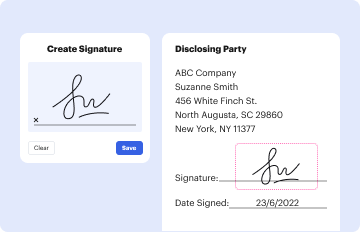
Legally Binding Electronic Signatures in Form Submission
In certain contexts, integrating electronic signatures with jQuery-validated forms can ensure compliance and security:
- ESIGN Act Compliance: Signature validity is maintained by adhering to U.S. electronic signature regulations.
- Time-Stamped Records: Provide records of when and by whom forms were completed and signed.
- Secure Access: Employ SSL encryption and authentication methods for safe data handling.
By integrating electronic signatures, businesses can enhance both security and legal compliance in form submissions, especially when sensitive information is involved.