







Definition and Meaning
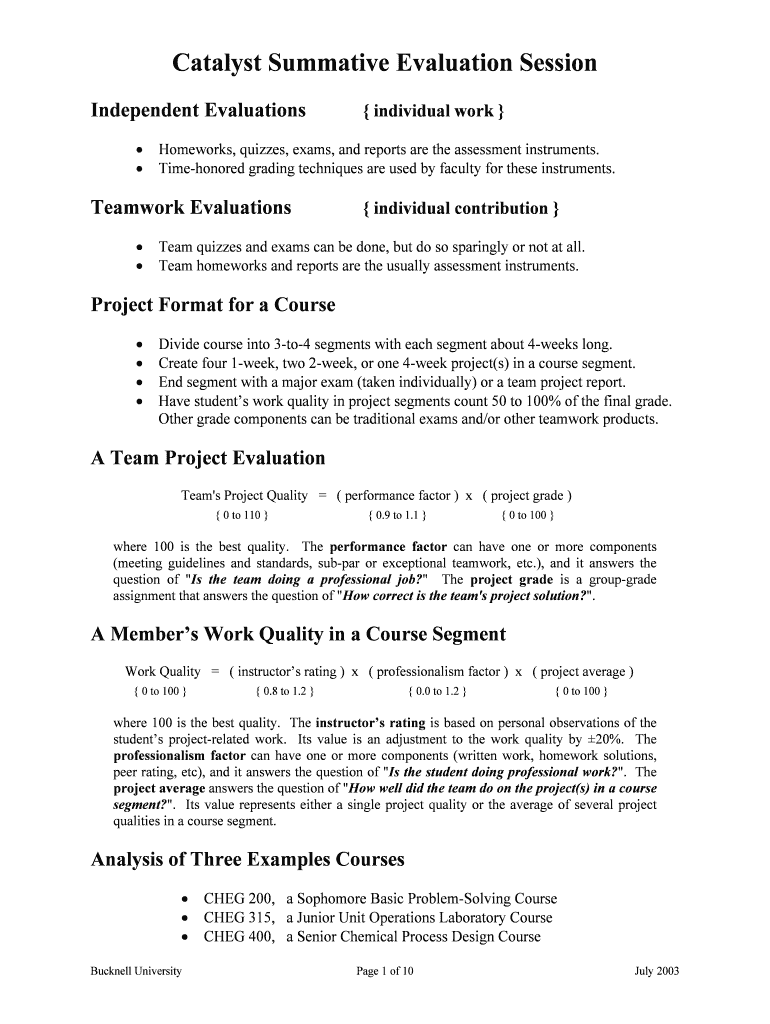
CHEG 200, Sophomore Problem Applications - Academics at Bucknell University, represents a crucial course in the Chemical Engineering curriculum. This course focuses on applying theoretical knowledge to real-world problems, emphasizing teamwork, and problem-solving skills. It enables students to integrate and apply engineering principles learned in previous courses through project-based learning and collaborative assignments.
How to Use the CHEG 200, Sophomore Problem Applications - Academics at
Utilizing CHEG 200 involves active participation in both individual and group tasks. Students engage in various projects simulating real-world engineering challenges. The course often requires collaboration with peers to analyze problems, design solutions, and present findings. Emphasizing practical application, students must also navigate assignment submissions, peer evaluations, and feedback mechanisms designed to enhance learning outcomes.
Steps to Complete the CHEG 200, Sophomore Problem Applications - Academics at
- Understanding the Syllabus: Familiarize yourself with course objectives, assignments, and grading criteria outlined by the instructor.
- Team Formation: Join a group for team-based projects, which are essential components of the course.
- Project Identification: Select a problem or project from the provided list that aligns with your interests and expertise.
- Research and Analysis: Conduct thorough research using relevant engineering principles to understand the problem.
- Design and Implementation: Develop feasible solutions, integrate design tools, and execute your project plans.
- Presentation: Prepare and deliver oral and written presentations of your project outcomes.
- Peer Review and Feedback: Participate in peer assessments to gain constructive feedback and identify areas for improvement.
Key Elements of CHEG 200, Sophomore Problem Applications - Academics at
- Teamwork and Collaboration: Projects are structured to require group collaboration, fostering communication and teamwork skills.
- Project-Based Learning: Focus on applying theoretical knowledge to design and implement engineering solutions.
- Feedback Mechanisms: Regular peer reviews and instructor feedback sessions are integral to the learning process.
- Professionalism: Maintaining professionalism in project management and communication is emphasized.
Who Typically Uses the CHEG 200, Sophomore Problem Applications - Academics at
Primarily, the CHEG 200 course is tailored for sophomore students majoring in Chemical Engineering at Bucknell University. It serves students who have completed foundational courses and are keen to apply their technical knowledge in practical settings. Faculty members and academic advisors may also use this course structure to guide curriculum development and student progress assessments.


Examples of Using the CHEG 200, Sophomore Problem Applications - Academics at
- Water Purification Project: Students may engage in designing a cost-effective water purification system as a practical project, applying chemical engineering principles to solve real-world environmental issues.
- Energy Efficiency Analysis: Another example could involve analyzing and proposing improvements for energy efficiency in industrial processes, encouraging students to integrate sustainability with engineering concepts.
Important Terms Related to CHEG 200, Sophomore Problem Applications - Academics at
- Project Quality: Refers to the overall standard and effectiveness of the solutions developed by the student teams.
- Peer Ratings: Assessment by classmates regarding each other's contributions, collaboration, and professionalism.
- Instructor Observations: Reflections and feedback from course instructors based on student engagement and the execution of projects.
Key Takeaways
- Integration of Theory and Practice: CHEG 200 seamlessly blends theoretical knowledge with practical application, preparing students for industry challenges.
- Skill Development: Enhances problem-solving, teamwork, and communication skills, essential for a successful engineering career.
- Structured Evaluation: Comprehensive evaluation through projects, peer feedback, and instructor assessments ensures a well-rounded academic experience.




