
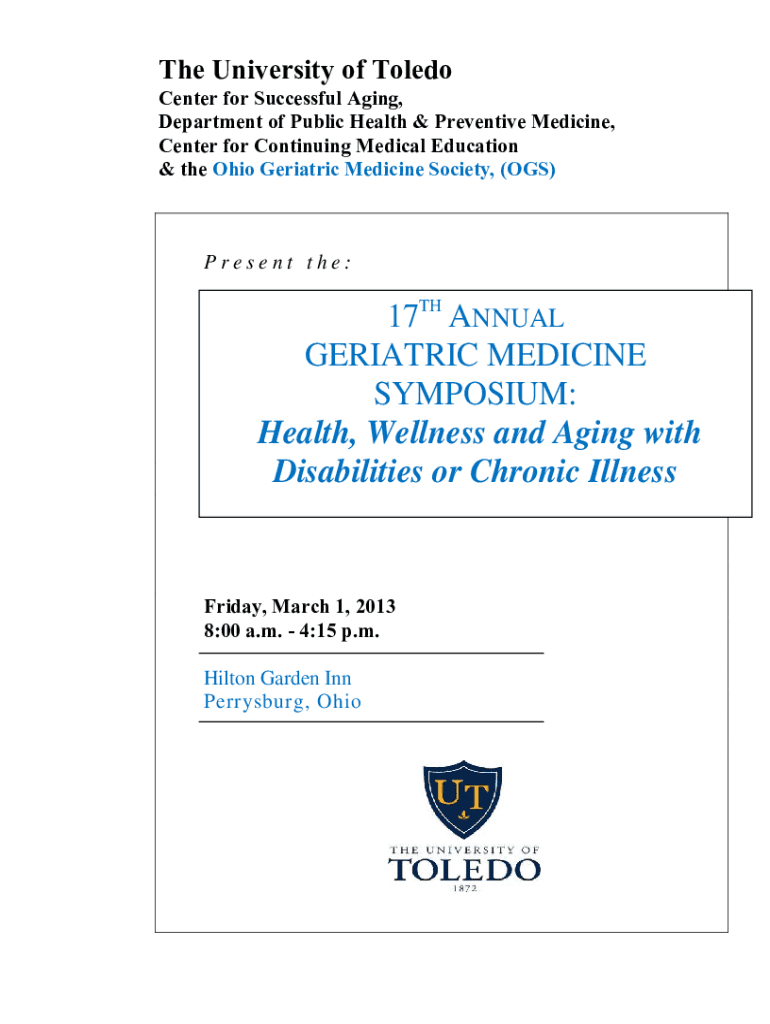







Definition and Meaning
Health, Wellness, and Aging with Disabilities or Chronic Illness encompasses the comprehensive understanding of how individuals navigate their health journey as they grow older while managing disabilities or chronic health conditions. This focus area seeks to address the unique challenges and opportunities that arise when aging intersects with long-term health issues. It covers preventive health measures, medical management, lifestyle adaptations, and supportive care necessary for maintaining quality of life.
Key Considerations
- Preventive Health: Emphasizing regular check-ups and screenings to catch potential issues early.
- Medical Management: Involves tailored treatment plans for managing chronic conditions.
- Lifestyle Adaptations: Includes modifications in living environments and daily routines.
- Supportive Care: Accessing necessary health services and community support to assist in daily living.
Key Elements of the Health, Wellness, and Aging with Disabilities or Chronic Illness
The essential components of this form focus on various aspects that contribute to overall well-being and include medical, psychological, and social dimensions. These elements form the basis for creating an inclusive support framework for individuals affected by disabilities or chronic illnesses.
Medical Components
- Chronic Condition Management: Tailored treatment plans focusing on medication adherence and symptom control.
- Rehabilitation Services: Physical therapy, occupational therapy, and other services aimed at maintaining functionality.
Psychological Aspects
- Mental Health Support: Ensuring access to counseling and psychiatric services to address the emotional impact of chronic illness.
- Stress Management Techniques: Strategies such as mindfulness and relaxation exercises.
Social and Environmental Factors
- Community Engagement: Encouraging participation in social activities and support groups.
- Accessible Living Spaces: Adapting homes and environments to improve safety and independence.
Steps to Complete the Health, Wellness, and Aging with Disabilities or Chronic Illness
The completion of this form involves a structured approach to ensure comprehensive documentation and understanding of the individual's health status and needs. Here are the steps to follow:
- Collect Personal Information: Gather demographic and contact details.
- Document Medical History: Provide a detailed account of existing conditions, medications, and treatments.
- Assess Functional Abilities: Evaluate everyday tasks to understand the level of assistance required.
- Determine Lifestyle Needs: Identify necessary lifestyle changes or adaptations based on current capabilities.
- Review Insurance and Financial Resources: Verify coverage and budgetary considerations for ongoing care.
- Draft a Care Plan: Involve healthcare professionals to outline a comprehensive strategy for managing health and support.
- Consult Legal Advisories: Discuss any necessary legal documents such as powers of attorney or advance directives.
Who Typically Uses the Health, Wellness, and Aging with Disabilities or Chronic Illness
This form is commonly utilized by individuals and organizations involved in the planning and execution of healthcare or support services for aging adults with disabilities or chronic health conditions.


Typical Users
- Patients and Family Caregivers: Use the form to articulate healthcare needs and preferences.
- Healthcare Providers: Employ it to gather comprehensive patient profiles for tailored care planning.
- Social Workers and Case Managers: Assist in connecting individuals with appropriate resources and services.
- Insurance Companies: Require it to verify coverage and plan eligibility requirements.
Important Terms Related to Health, Wellness, and Aging with Disabilities or Chronic Illness
Understanding the key terminology related to this field is essential for accurate communication and service provision. Here is a list of significant terms:
- Activities of Daily Living (ADLs): Basic tasks necessary for self-care, such as bathing and dressing.
- Instrumental Activities of Daily Living (IADLs): More complex functions like managing finances or transportation.
- Respite Care: Temporary relief for caregivers through planned short-term breaks.
- Chronic Disease Self-Management: Skills and techniques for patients to manage their health condition more effectively.
Legal Use of the Health, Wellness, and Aging with Disabilities or Chronic Illness
This form may serve a legal function if used to establish healthcare directives, or when coordinating with agencies that require detailed patient information for compliance and regulatory purposes.
Legal Applications
- Healthcare Directives: Legal documents stating care preferences in medical crises.
- Insurance Claims: Documentation required for validating treatment plans and care needs.
- Government Aid Programs: Information needed to apply for public health benefits like Medicare or Medicaid.
State-Specific Rules for the Health, Wellness, and Aging with Disabilities or Chronic Illness
Variations in state regulations can affect how health and wellness forms are used and recognized, particularly in areas like insurance, legal documents, or eligibility for specific services.
Examples of Variations
- Insurance Regulations: States may have different mandates for coverage options offered by insurers.
- Public Assistance Eligibility: Varies in terms of criteria and benefits available to elderly or disabled populations.
- Legal Recognition: Specific forms or directives related to healthcare may have varying legal recognition across states.
Digital vs. Paper Version
Both digital and paper versions of health and wellness forms are available, with each having distinct advantages depending on the user's needs and technical capabilities.
Considerations
- Digital Forms:
- Easy to update and share electronically.
- Useful for real-time collaboration among healthcare providers.
- Paper Forms:
- Preferred by those who find technology challenging.
- Useful in settings with limited digital access.
Understanding the form's purpose and usage context helps inform which version is more suitable for a particular scenario.




