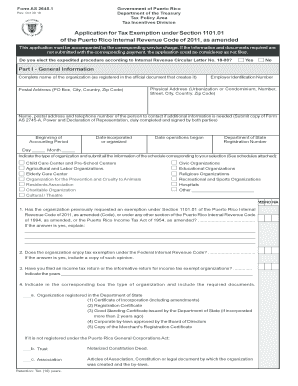
Achd animal bite form 2026

Get Form
achd animal bite form Preview on Page 1

Here's how it works

01. Edit your achd animal bite form online
Type text, add images, blackout confidential details, add comments, highlights and more.

02. Sign it in a few clicks
Draw your signature, type it, upload its image, or use your mobile device as a signature pad.

03. Share your form with others
Send it via email, link, or fax. You can also download it, export it or print it out.

Understanding the ACHD Animal Bite Form

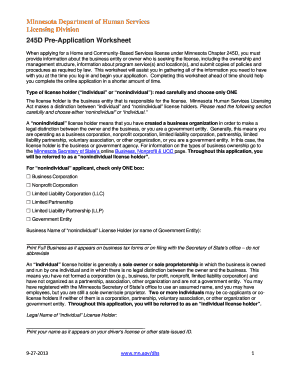
The ACHD Animal Bite Form is a critical document used by the Allegheny County Health Department for gathering vital information regarding incidents involving animal bites. This form helps in assessing and managing public health and safety concerns associated with such incidents. It is meticulously structured to capture the detailed specifics of the bite victim, the animal involved, and circumstances surrounding the event.

How to Use the ACHD Animal Bite Form

To accurately complete the ACHD Animal Bite Form, users must provide comprehensive details across several sections. This involves supplying personal information of the bite victim and the animal’s owner, if applicable. Additionally, the form requires details about the animal’s observation status and rabies vaccination history, which are vital for assessing health risks. A meticulous description of the incident is necessary to offer insight into the context of the bite.

  • Personal Information: This section should include the name, contact details, and age of the victim.
  • Animal Details: Document the species, breed, age, and physical description.
  • Incident Description: Describe the circumstances, location, and date of the incident.

How to Obtain the ACHD Animal Bite Form

The ACHD Animal Bite Form can be accessed through several channels to facilitate ease of use. It is typically available through local health departments, veterinary clinics, and hospitals. In addition, many municipalities provide the form online, ensuring that it can be downloaded and printed at the user's convenience.

  • Local Health Department: Often, direct contact with the health department can provide both digital and physical copies.
  • Online Access: Many health department websites host downloadable versions of this form.
  • Veterinary Clinics: These establishments frequently stock the form for client use.

Steps to Complete the ACHD Animal Bite Form

Filling out the ACHD Animal Bite Form accurately is crucial for effective processing. Begin by gathering all relevant information about the incident and ensuring all sections of the form are completed:

  1. Start by filling in personal details of the bite victim.
  2. Provide data on the animal, including any observations and medical history.
  3. Describe the bite incident in detail, noting the date, time, and specific location.
  4. Ensure to sign and date the form before submission.

Reasons for Utilizing the ACHD Animal Bite Form

The use of the ACHD Animal Bite Form is essential for several reasons. Primarily, it aids in the systematic documentation of bite incidents, which is fundamental for public health management. The data collected informs risk assessments, safety interventions, and preventive health measures.

  • Public Health Monitoring: Helps in tracking bite incidents and identifying potential rabies cases.
  • Legal Documentation: Serves as an official record for any legal or insurance-related inquiries.
  • Health Assessments: Assists healthcare providers in rendering relevant treatment and advice.

Parties Typically Involved with the ACHD Animal Bite Form

Several groups may find themselves interacting with the ACHD Animal Bite Form. These stakeholders include health professionals, animal control officers, and victims, each playing a distinct role in the completion and subsequent actions following a bite report.

  • Health Professionals: Utilize the form for diagnosing health risks and advising on treatment.
  • Animal Control Officers: Responsible for follow-up actions related to the animal's investigation.
  • Bite Victims: Provide firsthand information about the incident, vital for form accuracy.

Key Components of the ACHD Animal Bite Form

The form comprises multiple sections designed to capture detailed incident data. These components are crafted to provide comprehensive coverage of all necessary aspects related to the bite:

  • Victim and Owner Information: Includes basic contact details.
  • Animal Observation and Vaccination: Details about the animal's health and recent health checks.
  • Incident Report: A detailed narrative of what transpired before, during, and after the bite.

Legal Implications of the ACHD Animal Bite Form

The accurate completion of this form bears legal significance. It substantiates reports concerning animal bites within Allegheny County and ensures compliance with health department protocols.

  • Compliance: Adheres to county health regulations for reporting and managing animal bites.
  • Legal Evidence: The data serves as a formal record in legal disputes or insurance claims.
  • Regulatory Standards: Complies with public health guidelines and safety protocols.

Filling out and submitting the ACHD Animal Bite Form correctly is paramount for public safety, legal accountability, and health monitoring. Each section of the form is essential for painting a complete picture of the incident and ensuring appropriate follow-up actions are taken.

be ready to get more

Complete this form in 5 minutes or less

Get form

Got questions?

We have answers to the most popular questions from our customers. If you can't find an answer to your question, please contact us.
Contact us
ICD-9 Code E906. 5 -Bite by unspecified animal- Codify by AAPC.
Level 1: Pre-Bite Warning No Skin Contact They occur when a dog exhibits threatening behaviorsuch as snarling, growling, or snappingwithout making physical contact. While the victim remains physically unharmed, this level is not without consequence.
According to the severity of the wound, the WHO categorizes the animal bite as category I (touching/feeding of animals or licks on intact skin), category II (nibbling of uncovered skin, minor scratches or abrasions without bleeding), and category III (single or multiple transdermal bites or scratches, licks on
The WHO rabies exposure categories are: Category I touching or feeding animals, animal licks on intact skin (no exposure); Category II nibbling of uncovered skin, minor scratches or abrasions without bleeding (exposure); Category III single or multiple transdermal bites or scratches, contamination of mucous membrane or
Bite wounds fall into 3 categories as listed below: Category 1: No impact on skin and the skin remains unbroken. Category 2: Small scrapes but absence of bleeding. Category 3: One or many bites which puncture the skin with the animals saliva entering the wound. Tetanus: Prevention of Dog Bites:

Security and compliance

At DocHub, your data security is our priority. We follow HIPAA, SOC2, GDPR, and other standards, so you can work on your documents with confidence.
Learn more
ccpa2
pci-dss
gdpr-compliance
hipaa
soc-compliance
be ready to get more

Complete this form in 5 minutes or less

Get form

People also ask

Rabies Control. Reporting allows the local public health authority to investigate whether the biting animal may have transmitted rabies to the bite victim.

Related links