Definition and Purpose of the EMS Jump Bag Checklist
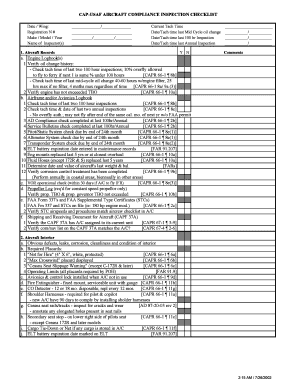
An EMS jump bag checklist is an essential tool used by emergency medical services to ensure preparedness and efficiency during medical emergencies. This checklist serves as a comprehensive inventory of all necessary equipment and supplies that should be included in an EMS jump bag. The primary purpose is to verify that all critical items are available, functional, and ready for immediate use. By systematically listing each item, EMS professionals can maintain organizational standards and minimize the likelihood of an oversight that could impact patient care.
The checklist covers a wide array of medical tools, from basic first aid supplies to advanced life-saving equipment such as defibrillators and oxygen masks. It includes personal protective gear, diagnostic tools, medications, and documentation materials, ensuring that responders have everything required for various emergency scenarios. This structured approach aids in reducing response time and improving efficiency under pressure, ultimately enhancing patient outcomes during critical situations.
How to Use the EMS Jump Bag Checklist
Using the EMS jump bag checklist involves systematic steps to verify the presence and condition of essential medical supplies. The process generally begins with a pre-shift check, where EMS personnel review the checklist and confirm that each item is accounted for and in working order. This examination helps in identifying any missing equipment or supplies that need replenishment before deployment.
-
Initial Inspection: Examine all compartments of the jump bag to ensure that items are organized correctly according to the checklist. Each section is typically designated for specific categories such as first aid supplies, medications, or diagnostic tools.
-
Functional Testing: For equipment like defibrillators or glucometers, it is crucial to perform functionality tests to confirm operational status. Check batteries and perform any calibration needed to guarantee their reliability during emergencies.
-
Restocking: Identify used or expired items and restock them to maintain full inventory. This may involve checking expiration dates on consumables like medications and bandages to ensure safety and efficacy.
-
Final Review: Conduct a final review with cross-verification from the checklist. This step ensures no items have been overlooked and that the bag is fully prepared for emergency calls.
Key Elements of the EMS Jump Bag Checklist
A comprehensive EMS jump bag checklist includes several key elements to cover a wide spectrum of emergency needs. The checklist typically consists of:
- Basic First Aid Supplies: Adhesive bandages, sterile gauze rolls, adhesive tape, and antiseptic wipes.
- Advanced Equipment: Blood pressure monitor, stethoscope, pulse oximeter, and portable defibrillator.
- Medications: Epinephrine, aspirin, activated charcoal, and glucose gel.
- Personal Protective Equipment (PPE): Gloves, masks, eye protection, and gowns.
- Documentation Tools: Patient care reports, pens, and clipboards.
- Diagnostic Tools: Thermometer, penlight, and glucometer.
- Resuscitation Equipment: Bag valve masks, airway management tools, suction units, and oxygen supplies.
This arrangement ensures comprehensive coverage of medical emergencies, enabling EMS professionals to address a variety of patient needs efficiently.
Who Typically Uses the EMS Jump Bag Checklist
The EMS jump bag checklist is primarily used by emergency medical technicians (EMTs), paramedics, and other first responders. These professionals rely on the checklist to maintain readiness for all types of medical emergencies, ranging from minor injuries to life-threatening conditions. In addition to EMS responders, fire departments and search and rescue teams often utilize such checklists in their operational protocols to ensure a standardized approach to emergency preparedness.
This checklist format supports team-based operations, where each member has specific responsibilities regarding the readiness and upkeep of emergency equipment. It enhances coordination among crew members, allowing them to respond effectively in high-stress scenarios.


Steps to Complete the EMS Jump Bag Checklist
Following a structured process to complete the EMS jump bag checklist is crucial for ensuring its accuracy and thoroughness:
-
Preparation: Prepare the checklist and ensure access to all sections of the jump bag.
-
Inventory Verification: Check off each item as you verify its presence and condition. Cross-reference items physically present in the bag with those listed on the checklist.
-
Functional Assessment: Conduct functionality tests for electronic and mechanical equipment required in emergencies.
-
Replenishment: Mark and replace any missing or expired items, ensuring enough stock levels for anticipated needs.
-
Final Confirmation: Have another team member conduct a second verification to minimize human error and confirm accuracy.
Legal Use and Compliance Regulations
In the United States, EMS services must adhere to legal and compliance regulations concerning the stocking and maintenance of medical jump bags. Guidelines often mandate specific items that must be included, as outlined by local and national health authorities. These regulations ensure consistency in the standard of care provided across different jurisdictions and serve as legal protection to both the patients and EMS services.
Additionally, EMS organizations are accountable for maintaining proper records, which include documentation of regular checks and maintenance logs for all equipment. This transparency and accountability are essential for legal compliance and for avoiding potential liability issues that could arise during emergency responses.
Examples of Using the EMS Jump Bag Checklist
Consider the case of a routine morning shift for an EMT crew. They perform a thorough inventory check using the checklist before heading out for their first call. During an emergency, their prompt response is facilitated by the organized and readily available supplies detailed in the checklist, allowing them to provide efficient and effective care.
In another scenario, after back-to-back emergency calls, the crew utilizes the checklist in their restocking protocol to ensure that the jump bag returns to its complete status immediately after the shift. This proactive use of the checklist not only optimizes readiness but also fosters a consistent standard of care delivery in unpredictable environments.
Digital vs. Paper Versions of the EMS Jump Bag Checklist
The EMS jump bag checklist is available in both digital and paper formats, each offering distinct advantages. Digital versions, often integrated with mobile tablets or applications, provide real-time updates, easy accessibility, and are environmentally friendly. They also facilitate faster replenishment tracking and inventory management, allowing seamless integration with supply chain systems.
In contrast, paper versions provide simplicity and reliability without dependence on technology. EMS teams operating in areas with limited digital infrastructure may prefer traditional paper checklists. Choosing the appropriate format largely depends on operational circumstances and preferences for technology use within the EMS organization.