







Understanding Integral Stimulation Therapy
Integral Stimulation Therapy is a method focusing on improving speech intelligibility, especially in children with conditions like Childhood Apraxia of Speech (CAS). This therapy employs multisensory cueing and involves frequent individualized practice sessions to enhance the accuracy and clarity of speech sounds.
- Multisensory Approach: Incorporates visual, auditory, and tactile feedback to aid speech production.
- Individualized Practice: Tailored sessions that address specific speech challenges faced by the individual.
Effects on Speech Intelligibility
The therapy shows promising results in improving the speech intelligibility of young children diagnosed with CAS.
- Speech Sound Accuracy: The technique helps in consistently producing target speech sounds.
- Long-Term Maintenance: Improvements are maintained over time, even after breaks from sessions.
Case Study Example
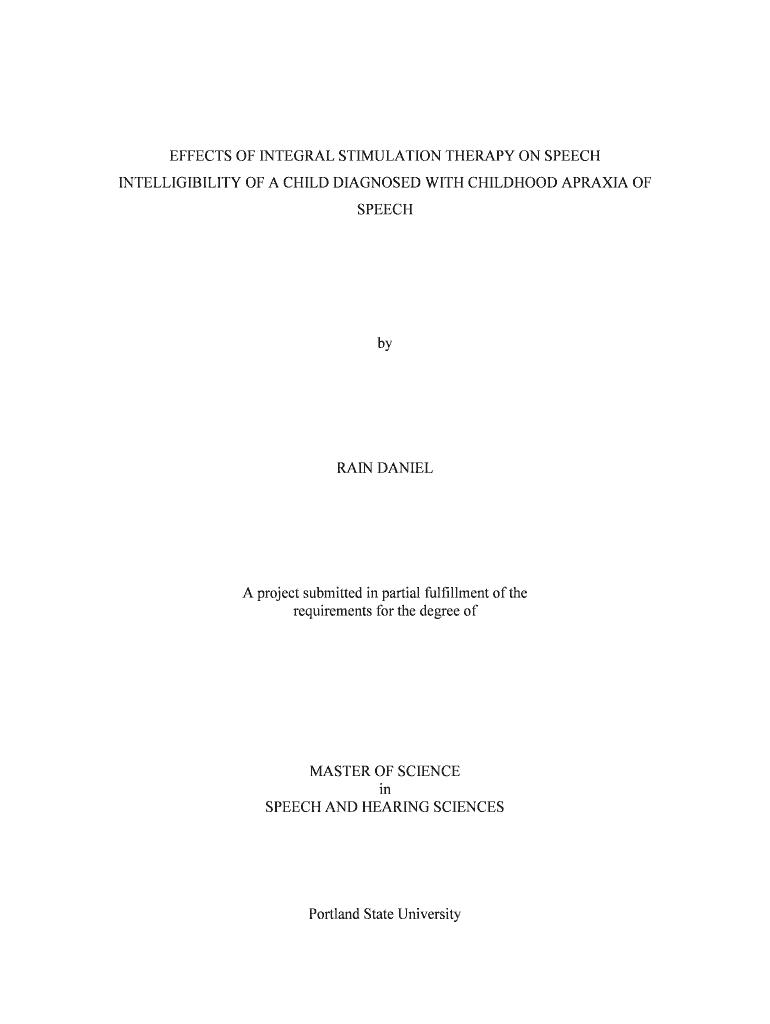
A study conducted by Rain Daniel at Portland State University demonstrated that a five-year-old boy with CAS showed significant improvement in speech intelligibility after undergoing this therapy. The child's ability to produce accurate speech sounds persisted even after a two-week hiatus from therapy.
Who Benefits from This Therapy?
Children diagnosed with Childhood Apraxia of Speech are the primary beneficiaries.
- Age Group: Primarily used for young children, but adaptable for older individuals based on specific needs.
- Speech Disorders: Also useful for other speech-related challenges beyond CAS.
Importance of Integral Stimulation Therapy
Integral Stimulation Therapy plays a crucial role in speech therapy, addressing specific challenges faced by children with CAS.
- Addressing Communication Barriers: Enhances the child's ability to communicate effectively.
- Provision of Structured Support: Offers a consistent and supportive environment for developing speech skills.
Steps to Implementing the Therapy
A structured approach is recommended for implementing Integral Stimulation Therapy.
- Assessment: Conduct a thorough evaluation of the child's speech capabilities.
- Therapy Design: Develop a tailored multisensory plan that aligns with the child's needs.
- Practice Sessions: Conduct regular, frequent practice sessions incorporating multisensory cues.
- Progress Monitoring: Continuously assess and adjust the therapy based on progress and needs.
Key Elements of the Therapy
Integral Stimulation Therapy is characterized by several key elements.
- Multisensory Cueing: Engaging multiple senses to facilitate learning.
- Repetition and Practice: Frequent practice sessions to build and reinforce skills.
- Feedback Mechanisms: Providing immediate corrective feedback to improve speech production.
Legal and Ethical Considerations
Therapists employing Integral Stimulation Therapy must adhere to relevant legal and ethical standards.
- Consent: Ensure that informed consent is obtained from the child's guardians.
- Privacy: Maintain strict confidentiality of the child's information and progress reports.
Variations and Alternatives
While Integral Stimulation Therapy is effective, there are alternative and complementary approaches available.
- Other Speech Therapies: Techniques like PROMPT or the Kaufman Speech to Language Protocol can be integrated.
- Tailored Interventions: Customized therapies based on individual assessments and requirements.
Practical Applications and Real-World Scenarios
Educational institutions and private practices can integrate this therapy into their programs to support children with speech challenges.
- School Programs: Incorporate therapy into special education curricula.
- Home Practice: Guidance for parents to facilitate practice at home, reinforcing skills learned.




