Definition and Purpose of the Faculty Handbook
The "Faculty Handbook - Pepperdine Community - Pepperdine University - community pepperdine" serves as a comprehensive resource detailing the university's mission, history, and values. It outlines the governance structure and educational programs specific to Pepperdine University's faculty. This handbook is essential for informing faculty members about their responsibilities, rights, and available resources within the institution. It emphasizes academic excellence rooted in Christian values, providing a clear framework for maintaining professional ethics and supporting research and scholarly activities.
Key Elements of the Handbook
- Mission Statement: Highlighting Pepperdine University's commitment to academic excellence.
- Governance Structure: Overview of the administrative framework and decision-making processes.
- Educational Programs: Detailed descriptions of the courses and degrees offered.
- Faculty Responsibilities: Guidelines for teaching, research, and participation in community affairs.
- Professional Ethics: Standards expected from faculty members to maintain integrity and ethical conduct.
- Support for Research: Resources and support systems available for academic research and development.
How to Use the Faculty Handbook
The handbook acts as an essential guide for faculty members to navigate their roles within the university. It offers detailed procedures and policies that are critical for academic duties. Faculty can refer to specific sections based on their immediate needs, such as:
- Academic Policies: To understand grading criteria, curriculum guidelines, and student engagement expectations.
- Administrative Procedures: Steps for faculty evaluations, promotions, and professional development.
- Resource Access: Information on library services, technology support, and research grants.
Obtaining the Faculty Handbook
Faculty members can access the handbook through Pepperdine University's official website or request a printed copy from the administrative office. Digital access ensures faculty have the most current version, reflecting any updates or policy changes.
Steps to Access the Digital Version
- Visit the Pepperdine University website.
- Navigate to the Faculty Resources section.
- Select the 'Faculty Handbook' link.
- Download the PDF version or view it online.
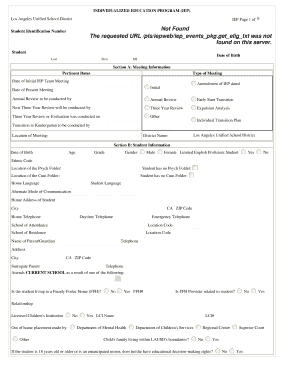
Steps to Complete Required Faculty Forms
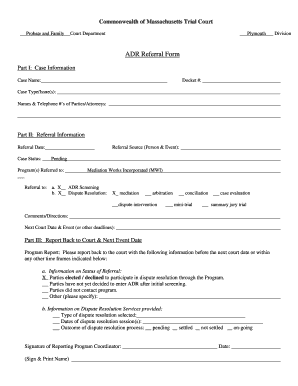
Some faculty-related activities and evaluations require completion of specific forms outlined in the handbook. Faculty members should follow these steps:
- Identify the Required Form: Determine the specific document needed for evaluations, grants, or administrative requests.
- Complete the Form: Fill in the necessary details following the instructions provided in the handbook.
- Review and Sign: Ensure all information is accurate and sign where required.
- Submit the Form: Depending on the form, submission may be electronic via email or through the university's intranet.
Reasons to Refer to the Faculty Handbook
The handbook is an invaluable tool for any faculty member at Pepperdine University. Key reasons to consult the handbook include:
- Clarification of Responsibilities: Understanding teaching, advising, and service expectations.
- Resource Navigation: Accessing support services, grants, and technological tools.
- Policy Adherence: Ensuring compliance with academic and administrative policies.
- Professional Development: Information on workshops, training, and career advancement opportunities.
Who Typically Uses the Faculty Handbook
Faculty members across all departments of Pepperdine University rely on the handbook. It is designed for new hires, seasoned educators, department heads, and academic administrators. This usage ensures consistency in fulfilling the university's educational and professional standards.


Important Roles Engaging with the Handbook
- Instructors and Professors: For everyday instructional guidance and policy understanding.
- Department Chairs: To enforce and update procedures aligned with the handbook.
- University Administrators: For oversight and policy compliance verification.
Legal and Ethical Usage of the Faculty Handbook
Faculty members must adhere to the ethical guidelines outlined within, ensuring that academic and personal conduct aligns with university expectations. Legal implications may arise from infringement of these rules, emphasizing the need for strict compliance.
- Ethical Standards: Upholding integrity in all academic and professional interactions.
- Compliance Requirements: Adhering to local, state, and federal laws applicable to educational institutions.
- Conflict Resolution: Mechanisms and processes for addressing grievances or disputes conducted by the university.
Examples of Using the Faculty Handbook
Real-world applications demonstrate the handbook's practical utility. Examples include resolving classroom management issues, clarifying faculty evaluation processes, and facilitating interdisciplinary research initiatives.
Case Studies
- Interdepartmental Collaboration: Faculty used the handbook to navigate joint research grants efficiently.
- Classroom Policy Clarification: An instructor referred to the handbook for guidance on managing academic misconduct.
- Faculty Evaluation: Improved outcomes in peer evaluations by following the detailed rubric and criteria in the handbook.
These examples illustrate the handbook's integral role in supporting faculty responsibilities, fostering an environment of trust, integrity, and academic excellence within Pepperdine University's community.