







Definition & Meaning
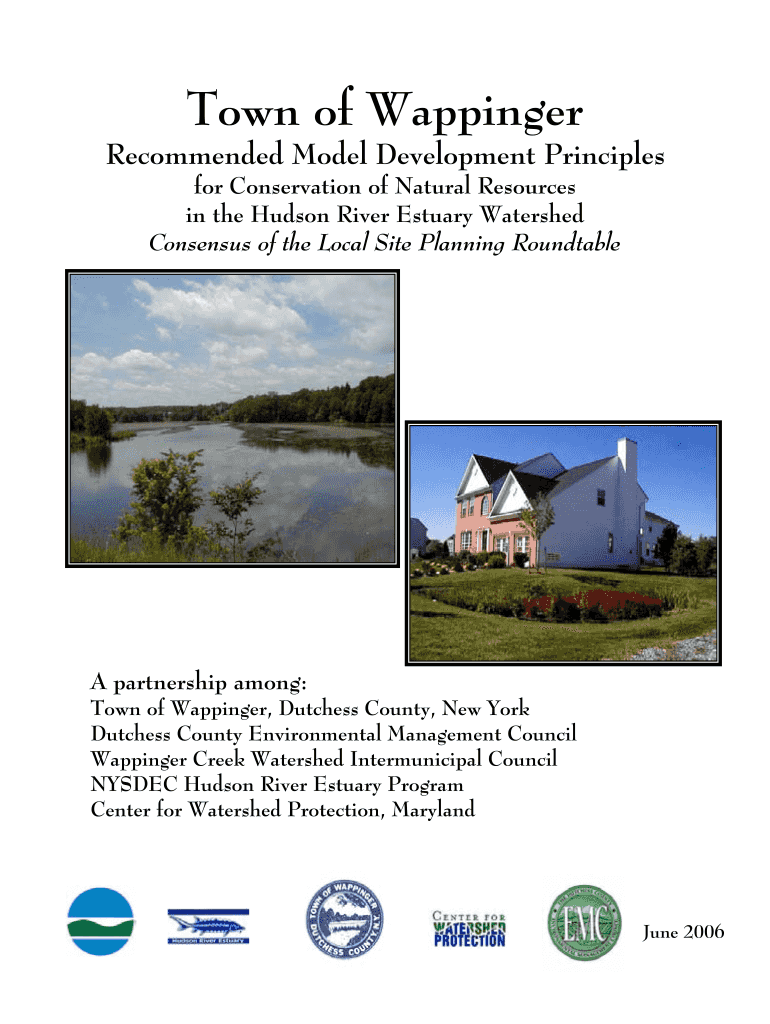
The "Recommended Model Development Principles for - Pace University - landuse law pace" refers to a set of guidelines designed to promote sustainable land use practices at Pace University, focusing on balancing development needs with environmental conservation. These principles aim to integrate natural resource management into urban planning, particularly within educational campus settings, ensuring both ecological preservation and responsible growth.
Core Concepts
- Integration of Environmental Policies: These principles emphasize aligning development projects with environmental conservation efforts. This ensures that developments are not only economically viable but also environmentally sound.
- Sustainable Urban Development: The guidelines prioritize reducing environmental footprints in urban settings by incorporating eco-friendly infrastructure and minimizing land degradation.
- Educational Impact: By applying these principles, institutions like Pace University can serve as models for sustainable development, educating students and communities about responsible land use.
Key Elements of the Recommended Model Development Principles
These principles include a comprehensive set of elements crucial for implementing effective land-use practices at institutional levels.
Strategies
- Reduction of Impervious Surfaces: Minimizing areas where water cannot penetrate the ground, thus enhancing water absorption and reducing runoff.
- Stormwater Management Integration: Designing infrastructure that incorporates natural systems for managing stormwater, thus preventing flooding and water pollution.
- Preservation of Natural Spaces: Maintaining and conserving natural vegetation and habitats within campus grounds to promote biodiversity.
Adaptable Tools
- Local Code Revisions: Updating municipal and institutional codes to allow for flexible yet effective sustainable site designs.
- Community Involvement: Engaging stakeholders in the planning process to ensure that development aligns with community values and protects ecological integrity.
Steps to Complete the Recommended Model Development Principles
Facilitating the completion and implementation of these guidelines involves several sequential steps.
- Assessment and Analysis: Initial evaluation of current land-use practices at Pace University to identify areas for improvement.
- Stakeholder Engagement: Involving university administration, students, urban planners, and environmental experts to provide input and support.
- Planning and Design: Drafting development plans that incorporate these principles, ensuring compliance with environmental standards.
- Implementation: Executing the proposed plans with monitoring systems to track progress and measure effectiveness.
- Evaluation and Feedback: Reviewing outcomes and making necessary adjustments based on feedback and environmental impact assessments.
Legal Use of the Recommended Model Development Principles
Understanding the legal framework surrounding these recommendations is crucial for their application.
Jurisdictional Compliance
- U.S. Environmental Laws: Adhering to national standards such as the Clean Water Act and National Environmental Policy Act to ensure compliance.
- Local Zoning Regulations: Aligning development activities with regional zoning laws to foster harmony between new developments and existing land uses.
Institutional Policy Alignment
- University Policies: Ensuring that these principles align with internal policies at Pace University, facilitating smoother integration and adherence within campus operations.
Who Typically Uses the Recommended Model Development Principles
These principles are commonly utilized by several entities involved in campus land development and resource management.


Typical Users
- University Administrators: To guide institutional development in line with sustainability goals.
- Urban Planners: For creating and overseeing development projects that meet environmental and educational criteria.
- Environmental Advocates: Using these principles to monitor and advocate for sustainable practices in academic institutions.
State-Specific Rules for the Recommended Model Development Principles
While the principles are universally applicable, there are state-specific adjustments that may be necessary.
New York State Regulations
- State Environmental Quality Review Act (SEQRA): Ensuring that development projects undergo thorough environmental assessments, as mandated by New York State law.
Adaptation to Local Contexts
- Tailored Implementation: Adjusting these principles to meet specific local environmental conditions and community needs, ensuring their effectiveness across different jurisdictions.
Examples of Using the Recommended Model Development Principles
Practical examples highlight how these principles are applied in real-world scenarios.
Case Study: Hudson River Estuary Watershed
- Initiatives in Wappinger: The Town of Wappinger utilizes similar principles to conserve natural resources, emphasizing reduced impervious surfaces and enhanced stormwater management.
Campus Implementation
- Pace University's Success Stories: Documenting instances where these principles have led to successful sustainable developments on campus, serving as replicable models for other institutions.
Digital vs. Paper Version
The availability of these principles in both digital and paper formats enhances their accessibility and usability.
Benefits of Digital Formats
- Ease of Access: Digital versions are easily distributed and updated, ensuring that users always have the latest information.
- Interactive Elements: Incorporating multimedia resources and links to additional information, facilitating a more engaging user experience.
Paper Versions
- Traditional Use: For those who prefer physical copies, paper versions are available for detailed study and note-taking.
Software Compatibility
For those managing the digital version of these principles, compatibility with various software can streamline their use.
Integration with Google Workspace
- DocHub Collaboration: Utilizing platforms like DocHub for editing, sharing, and collaborating on these documents without needing to leave connected cloud environments.
Other Software Tools
- Document Management Systems: Compatibility with major software like Adobe Acrobat ensures seamless integration into existing workflows for enhanced productivity and efficiency.
Business Entity Types benefitting from the Recommended Model Development Principles
Various business structures can benefit from implementing these principles within their development projects.
Beneficiary Entities
- Educational Institutions: Both universities and schools aiming to balance development with educational and environmental responsibilities.
- Non-Profit Organizations: Engaged in conservation efforts that align with educational outreach and community sustainability goals.
- Corporate Real Estate Developers: Interested in corporate social responsibility initiatives through sustainable campus developments.
Key Takeaways
Outlining the essence and benefits of these principles.
Highlights
- Sustainability Focused: These principles guide the integration of environmental sustainability into campus development planning.
- Collaborative Effort: Implementation requires input from multiple stakeholders, ensuring robust and inclusive development processes.
- Flexibility and Adaptation: The principles are adaptable to specific local and institutional contexts, making them versatile tools for promoting sustainable development.




